
reference.medscape.com
Cure8 news brief
Fact or Fiction: Crohn's Disease - Medscape Reference
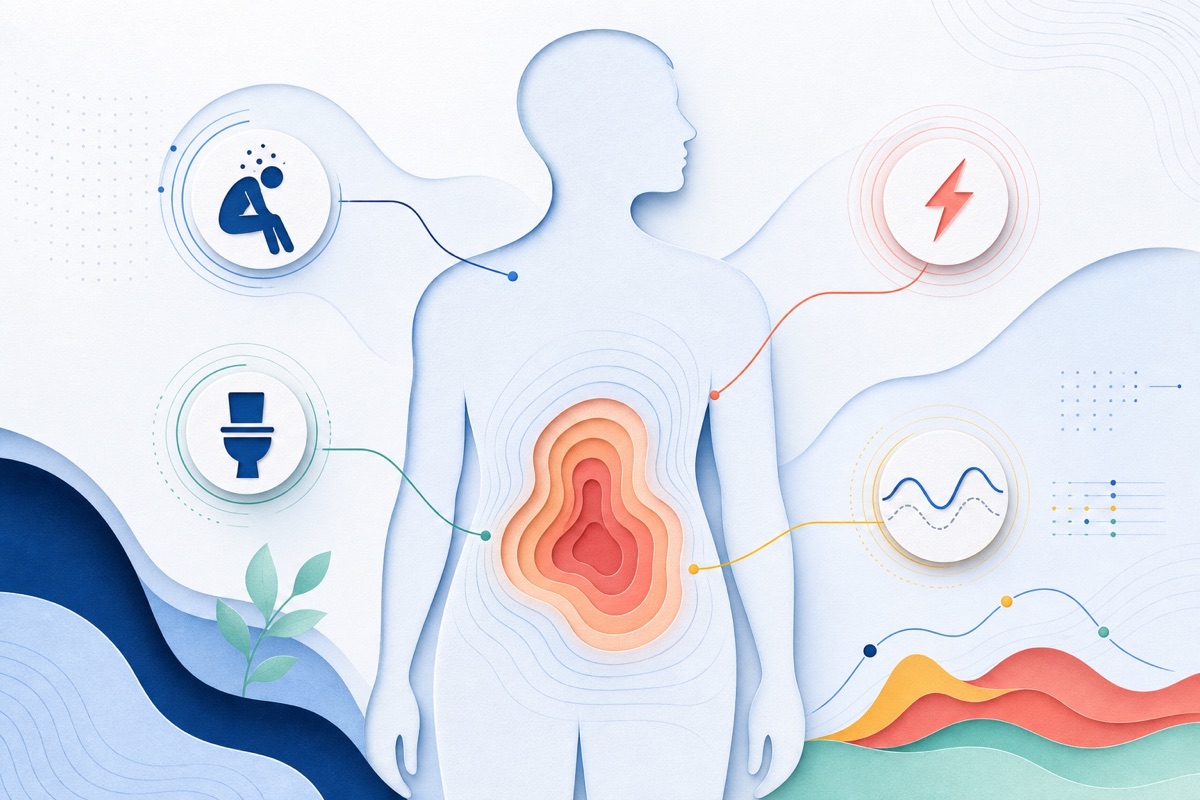
Symptoms and flares
Intestinal ultrasound
Abdominal Pain
Weight Loss
Fatigue
Diarrhea
Rectal Bleeding
Patient Education
Cure8 news brief
Faster, accurate diagnosis can let people with Crohn's disease start appropriate treatment sooner and help avoid complications from ongoing inflammation. The article outlines common presenting symptoms and recommended diagnostic tests clinicians use.
Adults with symptoms suggestive of Crohn's, people newly diagnosed with IBD, and clinicians involved in diagnosis and monitoring.
The piece summarizes common symptoms and stresses that Crohn's is a systemic, relapsing-remitting inflammatory bowel disease. It recommends ileocolonoscopy with biopsies to document disease distribution and histology and describes IUS as a promising bedside imaging option that visualizes transmural inflammation without radiation.
Training and further validation for IUS are noted as ongoing needs. Practical points: Earlier diagnosis and timely treatment are framed as important to reduce long-term morbidity. The article was produced using editorial tools including generative AI and was reviewed by a clinician; readers should consider this when weighing the content.
This is a clinician-oriented Medscape reference article reviewed by a physician and created with editorial tools including generative AI; it summarizes guideline recommendations and recent studies but does not present new trial data. Intestinal ultrasound appears promising but requires broader training and validation.
Review the original publication for the complete reporting, methods, and context.
This Cure8 brief is based on source text from the linked article. Cure8 is informational only and is not a substitute for professional medical advice, diagnosis, or treatment.
Understanding the differences between Crohn’s and ulcerative colitis helps patients and caregivers recognize likely symptom patterns, know which tests and treatments are commonly used, and when to seek specialist care....
This is a patient-friendly summary explaining what Crohn’s disease is, common symptoms, and typical treatment and monitoring approaches. It can help people recognize symptoms and understand basic management options.
Women with Crohn’s may have additional or different symptoms (period changes, painful sex, fertility concerns, bone and iron problems) that can affect daily life and long-term health. Recognizing these issues helps guide...