Fear of movement was more common and more severe in people with ulcerative colitis in this study. Addressing kinesiophobia could help increase physical activity and improve function and quality of life for people with UC.
Who Should Pay Attention
Adults with ulcerative colitis, caregivers and patient groups focused on improving activity and quality of life, gastroenterology clinicians, physiotherapists, and researchers studying psychosocial and functional outcomes in IBD.
Study Snapshot
Story typeResearch paper
Evidence typeResearch paper
Source depthJournal abstract
What To Know
The study used the abbreviated Spanish Tampa Scale for Kinesiophobia in 53 people with ulcerative colitis and 53 matched healthy controls. Average kinesiophobia scores were higher in the ulcerative colitis group, and about half of those patients had moderate-to-severe kinesiophobia, compared with roughly 30% of controls.
The findings point to a psychological and functional barrier—fear of movement—that may reduce activity and worsen quality of life in ulcerative colitis.
Clinicians and patient support groups might consider screening or referral to services (for example, physiotherapy or behavioral interventions) to address fear-avoidance, though this study does not test specific treatments.
Keep In Mind
This is a case-control study reported in the journal abstract; it shows association but does not test interventions or prove causation. Details on recruitment, matching, and potential confounders are limited in the abstract.
Source Details
Review the original publication for the complete reporting, methods, and context.
This Cure8 brief is based on source text from the linked article. Cure8 is informational only and is not a substitute for professional medical advice, diagnosis, or treatment.
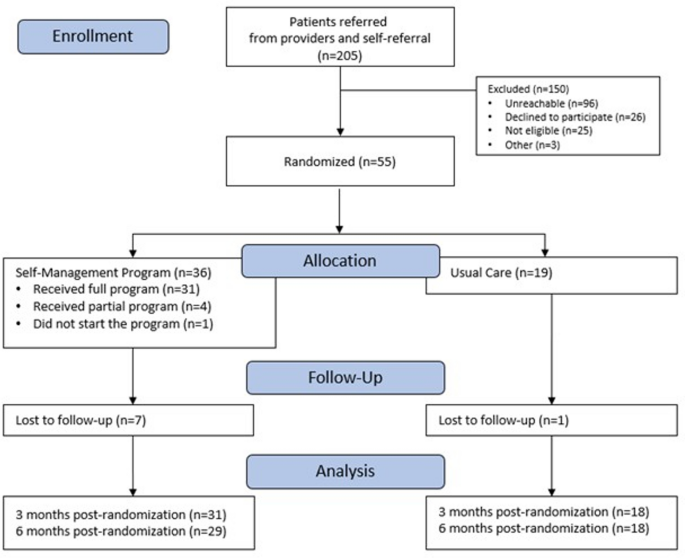
Self‑management programs delivered by nurses may help people with IBD improve daily functioning, confidence in managing their condition, and quality of life even when inflammation markers don’t change. That matters...
Stigma is common in people with IBD and can worsen isolation, anxiety, and quality of life. Practical coping strategies and support resources can help reduce emotional burden and improve daily functioning.
Sexual dysfunction is common in IBD and—according to this study—appears more strongly linked to psychological and demographic factors than to disease activity or muscle loss. Recognizing and treating mental-health issues...