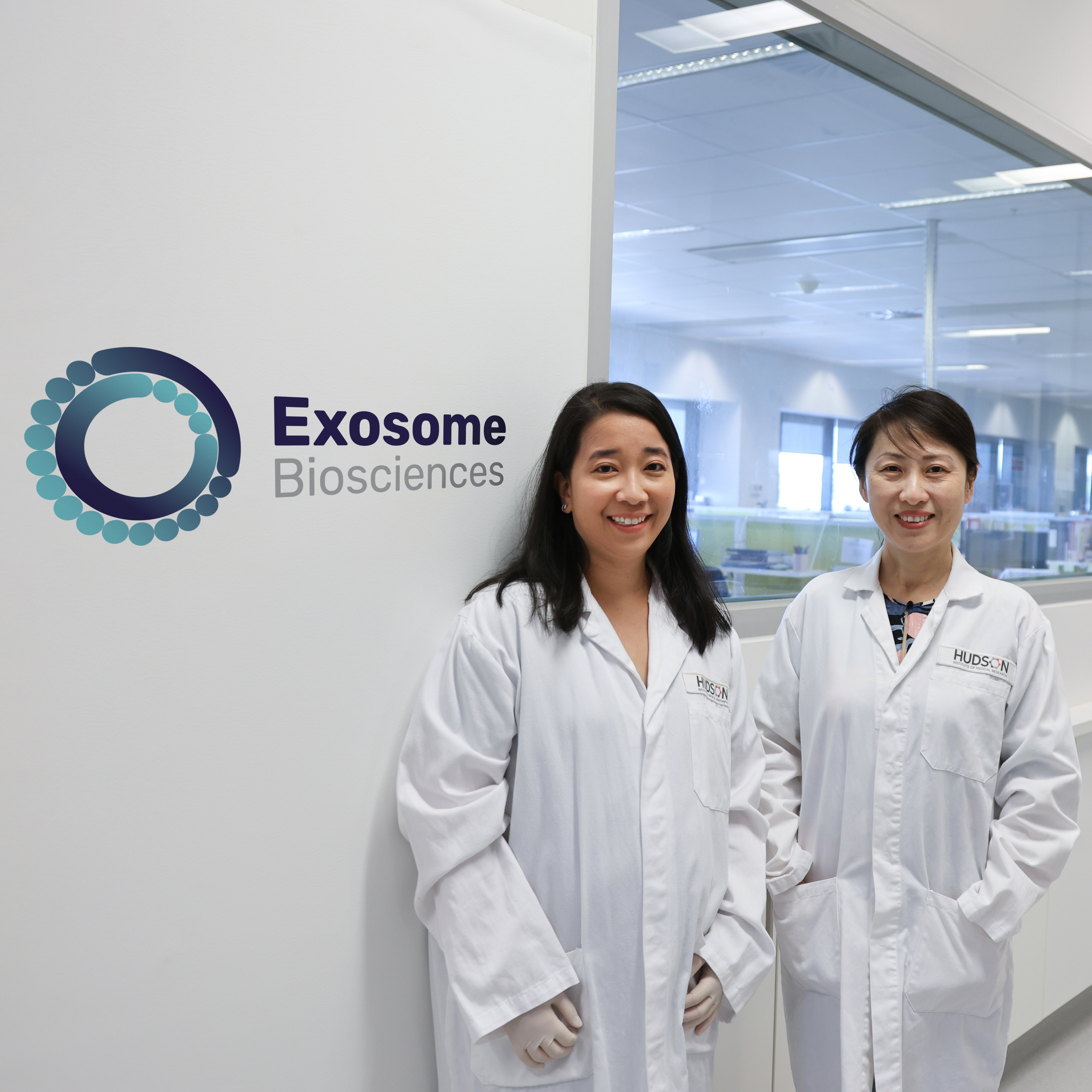
Perianal fistulas are a serious, hard-to-treat complication of Crohn disease. Fast Track status may speed development of a new implantable stem cell therapy that aims to close fistulas and promote local healing. Ongoing randomized trials will determine whether it is safe and effective compared with standard care.
Who Should Pay Attention
People with Crohn disease and perianal fistulas, clinicians who treat fistulizing disease (gastroenterologists, colorectal surgeons), and researchers studying cell therapies or fistula treatments.
Study Snapshot
Story typeResearch news
Evidence typePhase 1 clinical trial
Source depthFull source text
What To Know
AVB-114 is an autologous (patient-derived) mesenchymal stem cell therapy delivered on a dissolvable plug placed into the fistula tract. Phase 1 STOMP-I focused on safety and feasibility in adults with complex single-tract Crohn’s perianal fistulas and reported no serious adverse events related to the device in the 12-month analysis.
The phase 2 STOMP-II trial is testing efficacy versus standard of care in patients whose fistulas did not respond to biologics or conventional therapy, with a combined clinical and radiological remission primary endpoint.
This news describes regulatory progress (Fast Track) that may speed development and discussions with the FDA but does not mean the treatment is approved or widely available yet.
Keep In Mind
Fast Track designation facilitates more frequent FDA interactions and a potentially faster review path but is not an approval. The supporting data come from a small, single-arm phase 1 study; larger randomized data from STOMP-II are pending. Readers should look for the full STOMP-II results and peer-reviewed publications for stronger evidence.
Source Details
Review the original publication for the complete reporting, methods, and context.
This Cure8 brief is based on source text from the linked article. Cure8 is informational only and is not a substitute for professional medical advice, diagnosis, or treatment.
This article reports the start of a first-in-human trial testing extracellular vesicles as a new regenerative treatment for complex perianal fistulas in Crohn's disease, a hard-to-treat complication with limited options.
This article reports an investigational stem cell therapy (StemSmart MSCs) showing safety and clinical responses in a small group of patients with fistulising Crohn’s disease — a serious complication that’s often hard to...
This trial shows darvadstrocel did not outperform placebo for complex perianal Crohn’s fistulas, so it does not support changing care now. High healing rates after surgical curettage and closure suggest the surgical step...