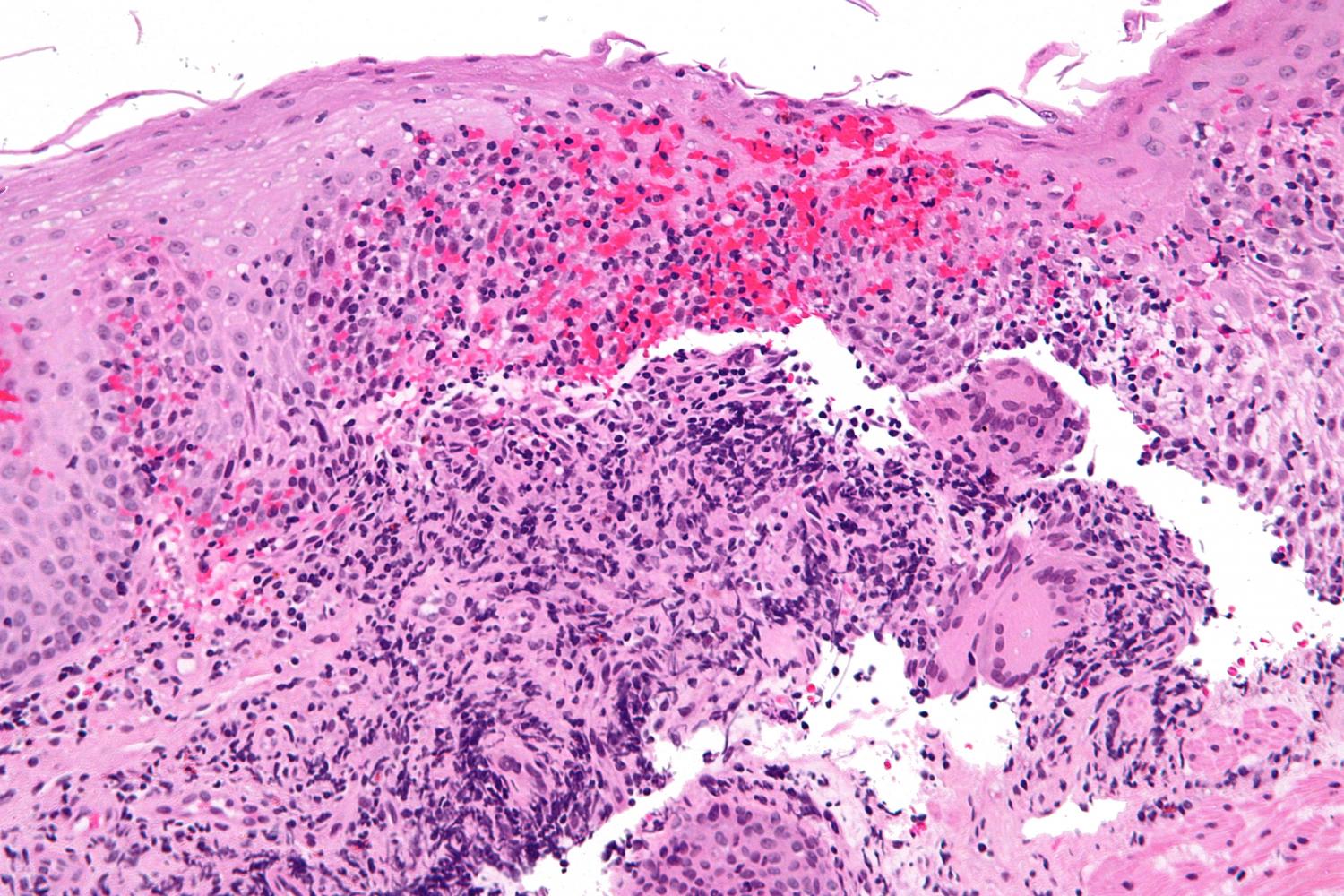
This study reports a new near-infrared imaging probe that can map inflammatory biomarkers (viscosity and ONOO–) in preclinical models, which could help research into inflammatory diseases including IBD and RA.
Who Should Pay Attention
Researchers and clinicians focused on molecular imaging, biomarker discovery, and IBD/RA preclinical research.
Study Snapshot
Story typeResearch paper
Evidence typeResearch paper
Source depthJournal abstract
What To Know
Researchers describe a new near-infrared fluorescent probe (HCy-LD-mito) designed to image two molecular features of inflammation — mitochondrial/LD viscosity and peroxynitrite (ONOO–) — with high contrast in animal models.
The abstract reports that the probe gave strong signal changes in zebrafish liver inflammation and could visualize inflammatory lesions in rheumatoid arthritis and IBD animal models; it also says the probe was used to monitor responses to methotrexate (MTX) in RA and 5-aminosalicylic acid (5-ASA) in IBD models.
The work is presented as a molecular/imaging research advance rather than a clinical diagnostic test. Findings are from preclinical models (zebrafish and animal disease models) and the article abstract frames this as a platform for “theragnostic” imaging and a design strategy for multi-organelle probes.
If you have IBD, this is early-stage research showing a potential imaging tool for mapping inflammation at a molecular level in preclinical studies. It does not imply availability for patients or proven clinical benefit.
Keep In Mind
Findings are from preclinical animal models reported in the article abstract; the probe is not a clinical diagnostic and would require further validation and regulatory development before patient use.
Source Details
Review the original publication for the complete reporting, methods, and context.
This Cure8 brief is based on source text from the linked article. Cure8 is informational only and is not a substitute for professional medical advice, diagnosis, or treatment.
The probe targets azoreductase-driven hypoxia, a mechanism linked to ulcerative colitis and other hypoxia-associated diseases; a reliable real-time imaging method could help research and eventually guide treatments.
New or improved fluorescent probes could enable more sensitive, noninvasive imaging of biochemical changes in the gut, which may aid research, earlier diagnosis, or monitoring of IBD and colorectal cancer.
This study suggests a common genetic marker (HLA‑DQA1*05) may help explain why some children stop responding to anti‑TNF drugs and could eventually guide who might benefit from adding methotrexate or closer monitoring.