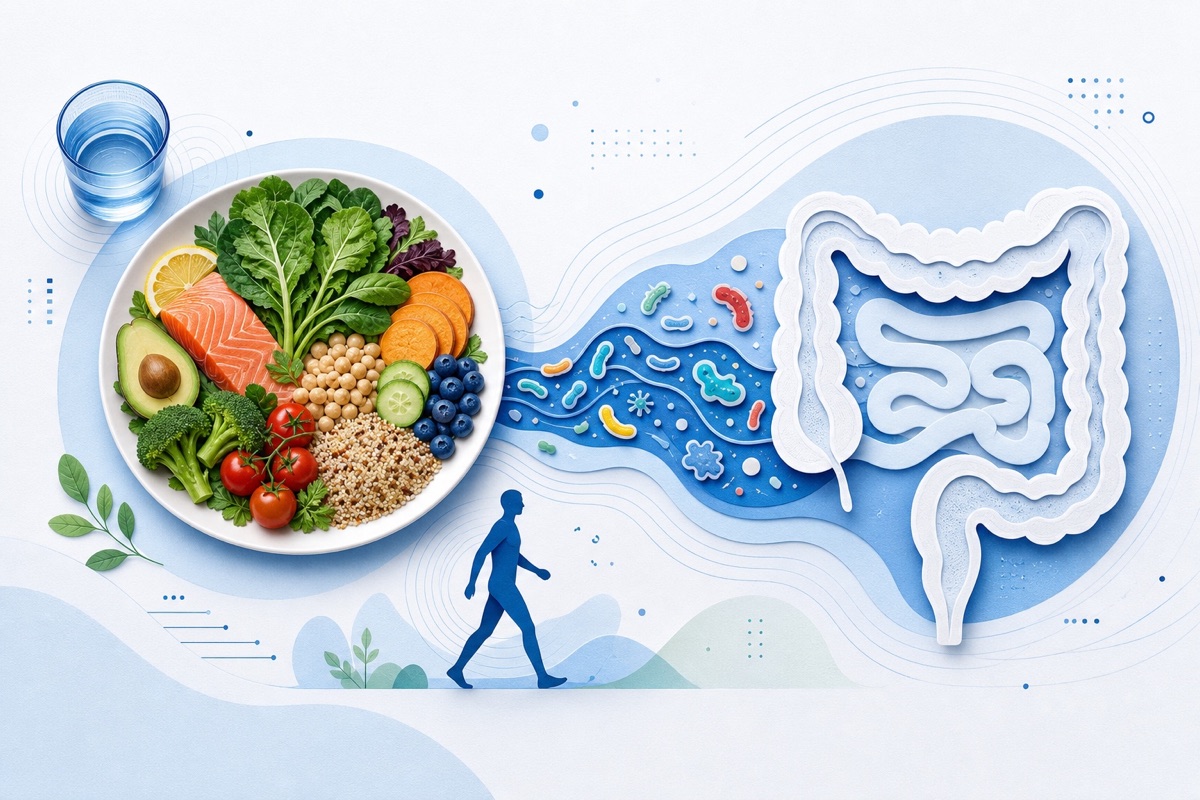
Limosilactobacillus reuteri Z-621 isolated from Hu lambs alleviates colitis by restoring intestinal barrier homeostasis and modulating the gut microbiota composition and lipid metabolism
The paper identifies a specific probiotic strain that reduced colitis signs and improved intestinal barrier function in a mouse model, supporting further preclinical and translational work toward microbiome-based therapies for UC/IBD.
Who Should Pay Attention
Researchers (microbiome, probiotics, lipid metabolism), clinicians interested in emerging microbiome therapies, and patients curious about future probiotic developments for IBD.
Study Snapshot
Story typeResearch paper
Evidence typeResearch paper
Source depthJournal abstract
What To Know
This is an animal (mouse) study using a preventive supplementation design: researchers isolated L. reuteri Z-621 from disease-resistant Hu lambs, tested its probiotic properties, and gave it before DSS exposure.
The study reports reduced weight loss, lower disease activity index, less colon shortening, improved histology, decreased pro-inflammatory cytokines, increased anti-inflammatory cytokines, stronger tight-junction protein expression, more goblet cells and MUC2, plus shifts in gut bacteria and lipid-related metabolites.
The work uses multi-omics analyses (microbiome and metabolomics) to link microbial changes with clinical indicators in the model. This is promising preclinical research but not clinical evidence.
It shows biological plausibility for a probiotic mechanism (barrier protection, immunomodulation, microbiome and lipid-metabolism effects) rather than demonstrating safety or efficacy in people. It also describes isolation and characterization of the strain, including in vitro tolerance and antibiotic susceptibility.
Keep In Mind
This is an animal study (DSS mouse model) with multi-omics data reported at abstract/full-text level; it does not establish safety or efficacy in humans and should be seen as preliminary preclinical research.
Source Details
Review the original publication for the complete reporting, methods, and context.
This Cure8 brief is based on source text from the linked article. Cure8 is informational only and is not a substitute for professional medical advice, diagnosis, or treatment.
The study links a common dietary compound (oxalate) to worsened intestinal inflammation in IBD and identifies reduced gut oxalate-transport gene activity and microbiome differences as possible mechanisms—findings that...
The study links a common plant compound (oxalate) to higher stool levels and worse inflammation in IBD, suggesting diet and gut handling of oxalate could affect disease activity and that microbiome-targeted strategies...
The study identifies a specific polysaccharide fraction (VPS-30) that reduced inflammation and improved gut barrier markers in cell and mouse models of colitis, suggesting a possible new functional-food lead for...