
Gut
Cure8 research brief
Diet in IBD: preventive and therapeutic concepts.
Diet and lifestyle
Clinical study
Adult patients
Clinicians
Researchers
Newly Diagnosed
Inflammatory bowel disease
Cure8 research brief
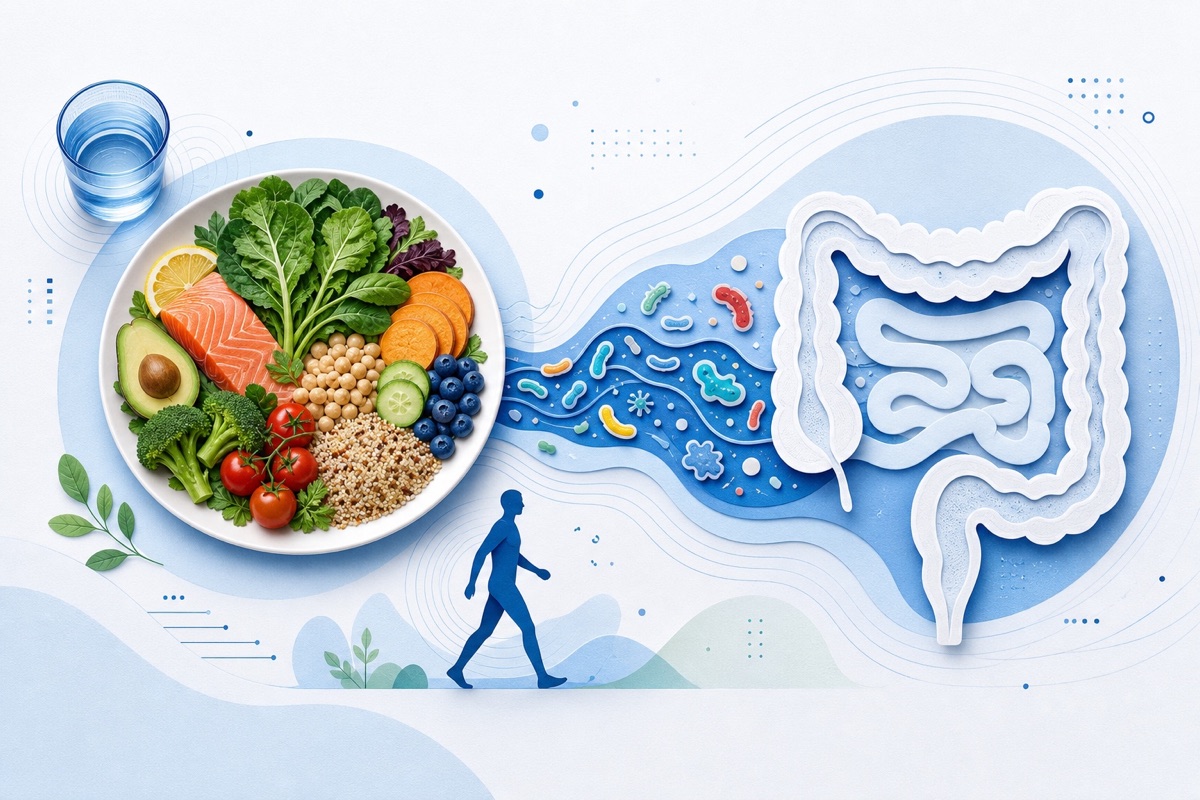
Diet appears both to influence IBD risk and to be a potential treatment component; patients may be able to reduce inflammation and support therapy through targeted dietary approaches. Clinicians and policymakers could use diet-based strategies to complement medical care and promote gut health population-wide.
Adult patients with IBD (Crohn’s disease or ulcerative colitis), clinicians who manage IBD, dietitians/nutritionists, and researchers studying diet–microbiome–immune interactions in IBD.
The review frames diet as a modifiable treatment option that may work alongside medications rather than replace them. It highlights exclusive enteral nutrition and certain solid-food diets that have shown anti-inflammatory effects in IBD and discusses mechanistic links through nutrition, genetics, and immune responses.
The article also argues for broader changes—healthier dietary patterns, clinician and patient counselling, and food-environment incentives—to reduce Western-diet-driven risk and support gut health. This brief is based on the journal abstract made available on PubMed (structured content depth: abstract); Cure8 did not review the full paper.
Source is a peer-reviewed review article (abstract available). The Cure8 summary is grounded in the PubMed abstract and does not replace reading the full review or individualized medical advice. Dietary interventions vary in evidence strength by specific diet and patient group; consult a clinician or IBD-specialized dietitian before making major changes.
Review the original publication for the complete reporting, methods, and context.
Conflict statement: Competing interests: None declared.
This Cure8 brief is based on source text from the linked article. Cure8 is informational only and is not a substitute for professional medical advice, diagnosis, or treatment.
Dietary strategies that reduce inflammation and oxidative stress could complement medical care for people with IBD by potentially lowering biomarkers linked to disease activity.
Some people with ulcerative colitis seek complementary or herbal treatments. This review reports research on a modified Gegen Qinlian Decoction that the authors say may strengthen the gut barrier and reduce inflammation,...
Dietary patterns are being studied as therapies for pediatric IBD because they may help induce remission or improve disease control without drugs.