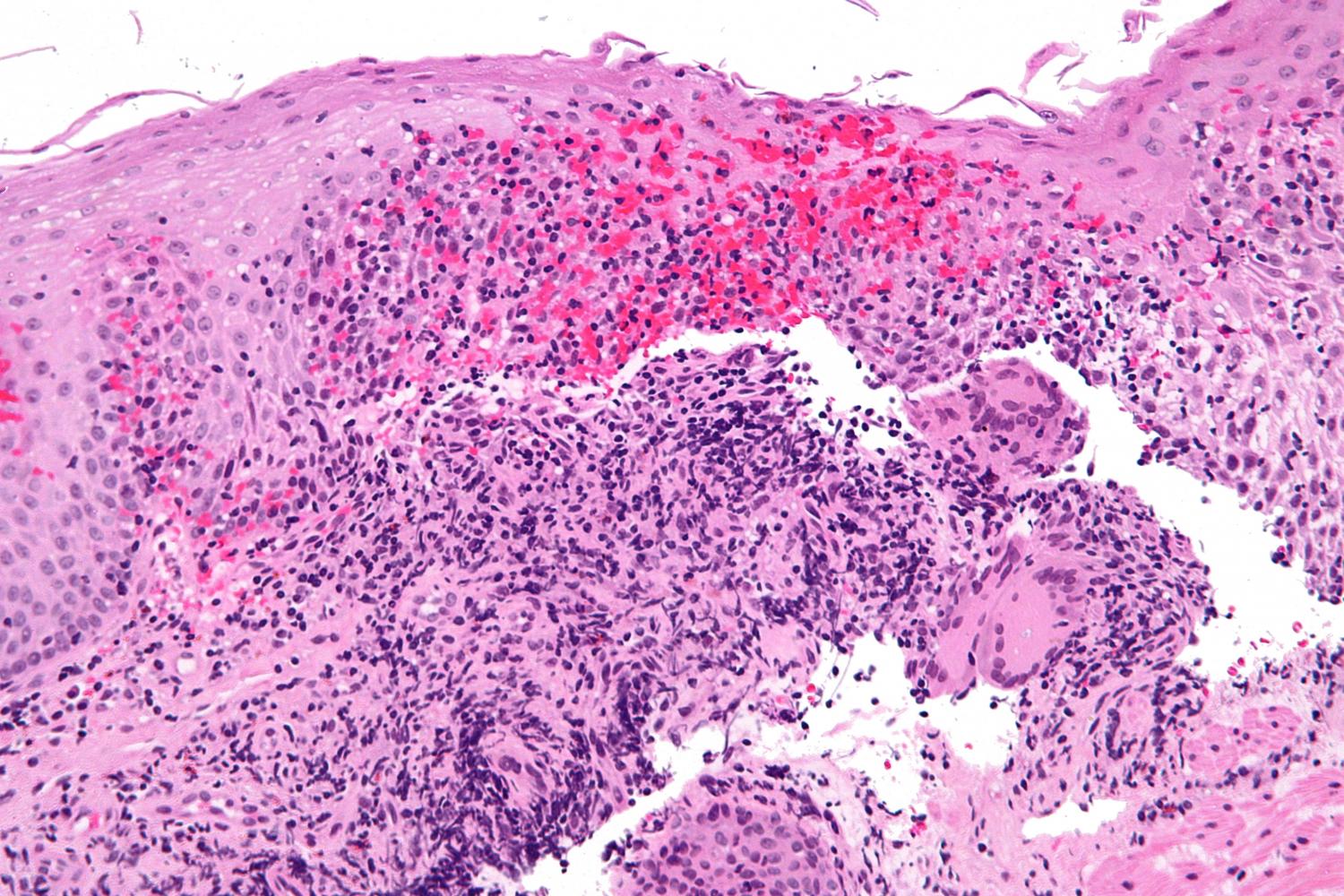
Mucosal healing is an important treatment goal linked to better long-term outcomes, and current anti-TNF therapies achieve mucosal healing in a minority of patients. If adding CDED improves healing, it could offer a non-drug strategy to boost effectiveness of biologics.
Who Should Pay Attention
Adults with Crohn's disease (especially those starting or on anti-TNF therapy), gastroenterologists and IBD dietitians, clinical researchers studying diet-drug combinations.
Study Snapshot
Story typeClinical Reference
Trial phaseNA
Enrollment185 participants
Study statusNot_yet_recruiting
Source depthTrial registry record
What To Know
This is a single-center, randomized, open-label trial in China enrolling 185 adults with active Crohn’s disease. Participants will receive infliximab or adalimumab at typical induction dosing; the intervention arm follows a standardized CDED with detailed allowed/prohibited foods and close dietary monitoring.
The primary endpoint is mucosal healing at week 14 (SES-CD = 0). Secondary endpoints include clinical remission, endoscopic response, transmural healing, and adverse events. Study practicalities: The trial excludes people with severe food allergies, celiac disease, severe malnutrition (BMI <18.5), or inability to adhere to the diet.
Diet adherence will be tracked through daily food diaries and frequent researcher supervision via WeChat and shared documents.
Keep In Mind
This is a trial record describing planned research; it does not report trial results. Preliminary data are mentioned but not presented as trial findings. The study is single-center and limited to Chinese adult patients, which may affect generalizability.
Source Details
Review the original publication for the complete reporting, methods, and context.
This Cure8 brief is based on source text from the linked article. Cure8 is informational only and is not a substitute for professional medical advice, diagnosis, or treatment.
The study is comparing common biologics given after Crohn's surgery to prevent endoscopic recurrence—a key issue for people who have had bowel resection. Knowing which drugs perform better in real‑world practice could...
This study suggests a common genetic marker (HLA‑DQA1*05) may help explain why some children stop responding to anti‑TNF drugs and could eventually guide who might benefit from adding methotrexate or closer monitoring.