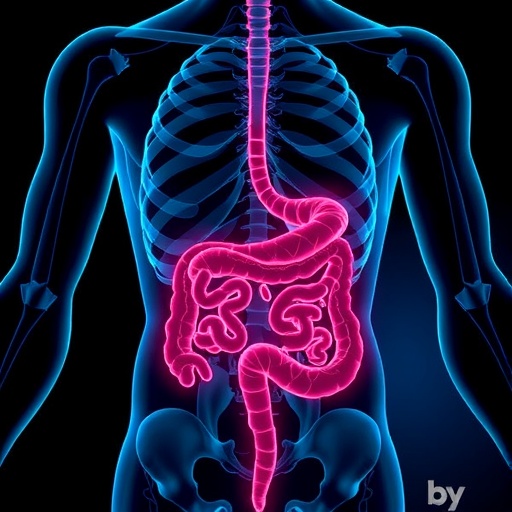
The review summarizes how extracellular vesicles (EVs) shape immune responses and barrier repair in the gut and discusses their potential as accessible biomarkers and as vehicles for precise IBD therapies — topics that could affect future diagnosis and treatment options.
Who Should Pay Attention
Researchers studying IBD mechanisms or therapeutics, clinicians interested in emerging biomarkers and drug-delivery approaches, and patients/advocates curious about future diagnostic or treatment technologies.
Study Snapshot
Story typeResearch paper
Evidence typeResearch paper
Source depthJournal abstract
What To Know
This is a review article summarizing laboratory and translational research on EVs in the intestine.
It reports that EVs come from multiple sources (epithelial cells, immune cells, mesenchymal stem cells, gut microbes, and diet) and can influence T cell differentiation, macrophage polarization, inflammasome activity, epithelial regeneration, angiogenesis, fibrosis, and host–microbiota interactions.
Clinically, the review notes EVs are promising as stable, accessible biomarkers (blood, feces, lavage) that may reflect disease activity and treatment response, and as drug-delivery platforms because of targeting and cargo-loading potential.
However, challenges remain for clinical use, including scalable production, biodistribution, and regulatory standardization.
Keep In Mind
This is a narrative review (Autoimmunity Reviews) summarizing preclinical and translational studies. It does not present new clinical trial outcomes; practical use of EV-based diagnostics or therapies will require solutions for production, delivery, and regulatory approval.
Source Details
Review the original publication for the complete reporting, methods, and context.
Conflict statement: Declaration of competing interest The authors declare that there are no conflicts of interest.
This Cure8 brief is based on source text from the linked article. Cure8 is informational only and is not a substitute for professional medical advice, diagnosis, or treatment.
If validated, blood protein signatures that appear years before symptoms could help identify people at higher risk of Crohn’s disease and point to lifestyle or dietary measures that alter early biology.
Non-invasive fecal lipid markers could help differentiate UC from CD and improve diagnostic molecular profiling in IBD if validated, which may be useful for patients and clinicians seeking less-invasive diagnostic tools.
The work points to measurable molecular and microbial patterns that may help distinguish treatable inflammation from progressive fibrosis and suggests AI could aid in building predictive tools from limited samples —...