
Clinical Journal of Gastroenterology
Cure8 research brief
Cure8 research brief
A drug (flucytosine) caused colitis that looked like an ulcerative colitis flare. Mistaking medication-induced colitis for IBD activity could lead to unnecessary changes in immunosuppressive treatment.
Adult patients with ulcerative colitis or other IBD, gastroenterologists, infectious disease clinicians, and clinicians prescribing antifungal therapy (flucytosine/amphotericin B).
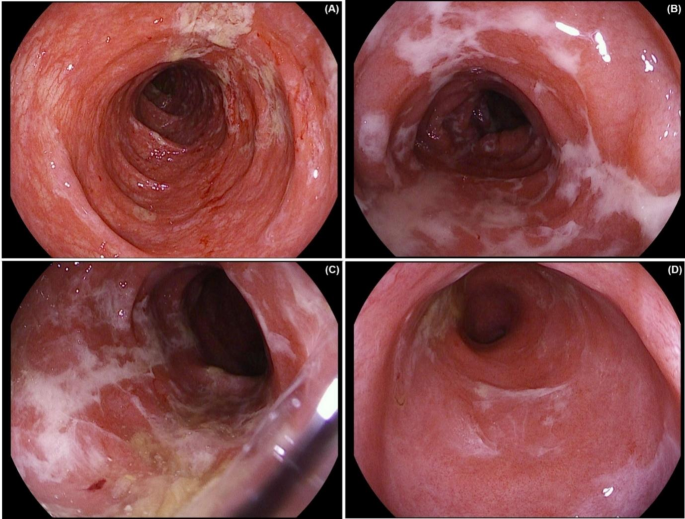
The authors present a 56-year-old man with known ulcerative colitis who developed abdominal pain, diarrhea, and rectal bleeding after starting flucytosine with amphotericin B. Histopathology showed acute colitis.
Symptoms resolved rapidly after stopping flucytosine without changing underlying UC therapy, supporting a diagnosis of drug-induced colitis rather than an IBD flare.
The report highlights the diagnostic challenge of distinguishing medication injury from disease activity and suggests clinicians should consider recent or concurrent antimicrobials (including flucytosine) when IBD patients develop new/worsening GI symptoms.
Single case report — useful as a clinical reminder but not evidence of frequency or causation in broader populations. Full article is behind a publisher access control.
Review the original publication for the complete reporting, methods, and context.
This Cure8 brief is based on source text from the linked article. Cure8 is informational only and is not a substitute for professional medical advice, diagnosis, or treatment.
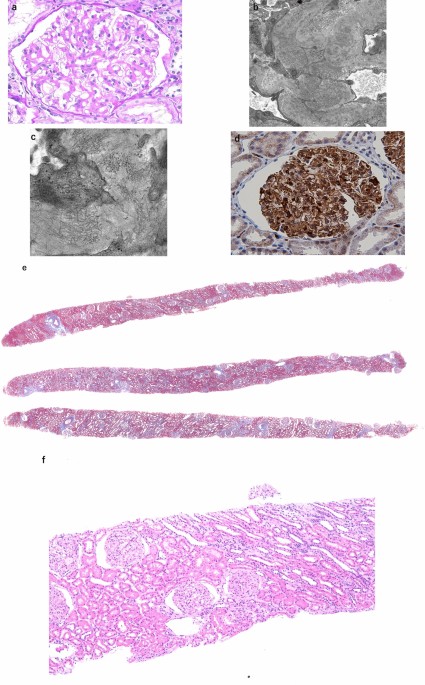
This report links a rare kidney disease (FGN) with ulcerative colitis in a young adult and raises atypical familial Mediterranean fever as a possible underlying autoinflammatory cause; recognizing this could change...
The case suggests that blocking IL-4/IL-13 (with dupilumab) might rarely trigger Th17-predominant colonic inflammation presenting as ulcerative colitis; patients and clinicians should be alert for new GI symptoms after...
Pyoderma gangrenosum is an uncommon but important extraintestinal skin complication that can occur with ulcerative colitis and may be mistaken for infection. Recognizing it matters because treatment and wound care differ...