A noninvasive saliva test combined with machine learning could make it easier and faster to classify pediatric IBD subtypes and to monitor patients, potentially reducing reliance on invasive tests and speeding treatment decisions.
Who Should Pay Attention
Pediatric patients and caregivers, pediatric gastroenterologists, clinical researchers working on IBD biomarkers or diagnostic tools, and groups interested in noninvasive monitoring methods.
Study Snapshot
Story typeResearch paper
Evidence typeResearch paper
Source depthJournal abstract
What To Know
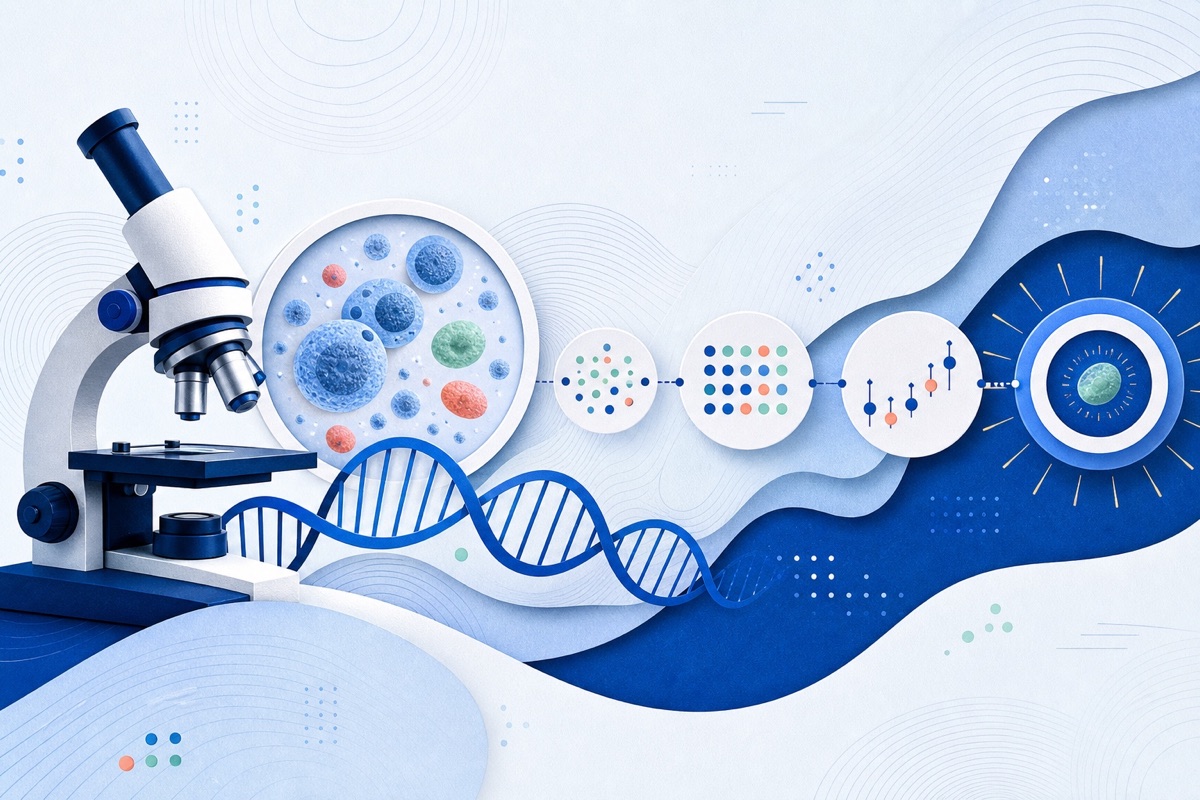
This study used high-dimensional salivary proteomics plus interpretable machine learning to develop a 14-protein signature that distinguishes pediatric Crohn’s disease, ulcerative colitis, and IBD-unclassified.
The authors report strong classification accuracy in first-visit pilot samples (reported balanced accuracy ~97.5%) and lower performance on matched follow-up samples (~80.2%), and they used SHAP to show which proteins drove individual predictions and to explore whether IBD-U cases resembled CD- or UC-like profiles.
The work is a proof-of-concept from a journal article abstract: it suggests saliva-based protein panels combined with explainable ML could offer a noninvasive approach to aid diagnosis and longitudinal monitoring in children with suspected or known IBD.
The reported protein set includes chemokines/cytokines, receptors/ligands, structural/tissue-remodeling proteins, and immune modulators. This brief summarizes the article abstract and does not represent independent validation of the findings.
It does not provide clinical recommendations or replace standard diagnostic testing (endoscopy, imaging, fecal calprotectin, blood tests).
Keep In Mind
This is a proof-of-concept study reported in an abstract; findings need independent validation in larger, diverse cohorts and prospective clinical studies before being used in routine care. The abstract-level summary limits available methodological and population details.
Source Details
Review the original publication for the complete reporting, methods, and context.
Funding disclosed by the source: Crohn’s and Colitis Foundation (Litwin IBD Pioneers Award; American Dental Association Science & Research Institute (startup funds & Volpe Research Scholar Award; Virginia Commonwealth University Department of Oral and Craniofacial Molecular Biology, Philips Institute for Oral Health Research; Virginia Commonwealth University Wright Regional Center for Clinical & Translational Science Clinical and Translational Science, award UM1TR004360; National Cancer Institute/National Institutes of Health Cancer Center, award P30 CA016059
This Cure8 brief is based on source text from the linked article. Cure8 is informational only and is not a substitute for professional medical advice, diagnosis, or treatment.
A validated AI biomarker that predicts which IBD treatments are likely to work could reduce trial-and-error in treatment choices, potentially shortening time to effective therapy for people with Crohn's disease or...
Distinguishing Crohn’s from ulcerative colitis can be hard and often requires invasive tests. A reliable blood test would speed diagnosis and help patients start the right treatments sooner. This study is an early step...