The study proposes two transcriptomic markers (LIMK1, PKM) that may help characterize an IBD-associated, mitochondria–ER membrane–related transcriptional state and could guide future biomarker or mechanistic research.
Who Should Pay Attention
Researchers studying IBD molecular mechanisms, biomarker discovery, immunometabolism, and drug-discovery scientists; clinicians interested in translational IBD research.
Study Snapshot
Story typeResearch paper
Evidence typeResearch paper
Source depthJournal abstract
What To Know
This study combined differential expression, coexpression networks, feature selection, and validation across independent datasets to build a two-gene nomogram distinguishing IBD-associated transcriptional states.
The authors also performed pathway enrichment, immune-deconvolution linking the genes to macrophage-related signals, in silico structural docking and molecular dynamics for herb-derived compounds, and preliminary qPCR tissue validation that supported PKM expression changes but found LIMK1 increases were not statistically significant.
The work is hypothesis-generating: it identifies associations at the transcript level and explores possible small-molecule interactions in silico, but it does not demonstrate protein-level function, causal roles in disease, or therapeutic effects. Further protein, cellular, and functional studies are needed before clinical relevance can be established.
Keep In Mind
This article reports integrative transcriptomic and in silico analyses with preliminary qPCR validation; findings are associative and exploratory (abstract-level summary). Protein-level, functional, and clinical validation are required before any diagnostic or therapeutic implications can be drawn.
Source Details
Review the original publication for the complete reporting, methods, and context.
This Cure8 brief is based on source text from the linked article. Cure8 is informational only and is not a substitute for professional medical advice, diagnosis, or treatment.
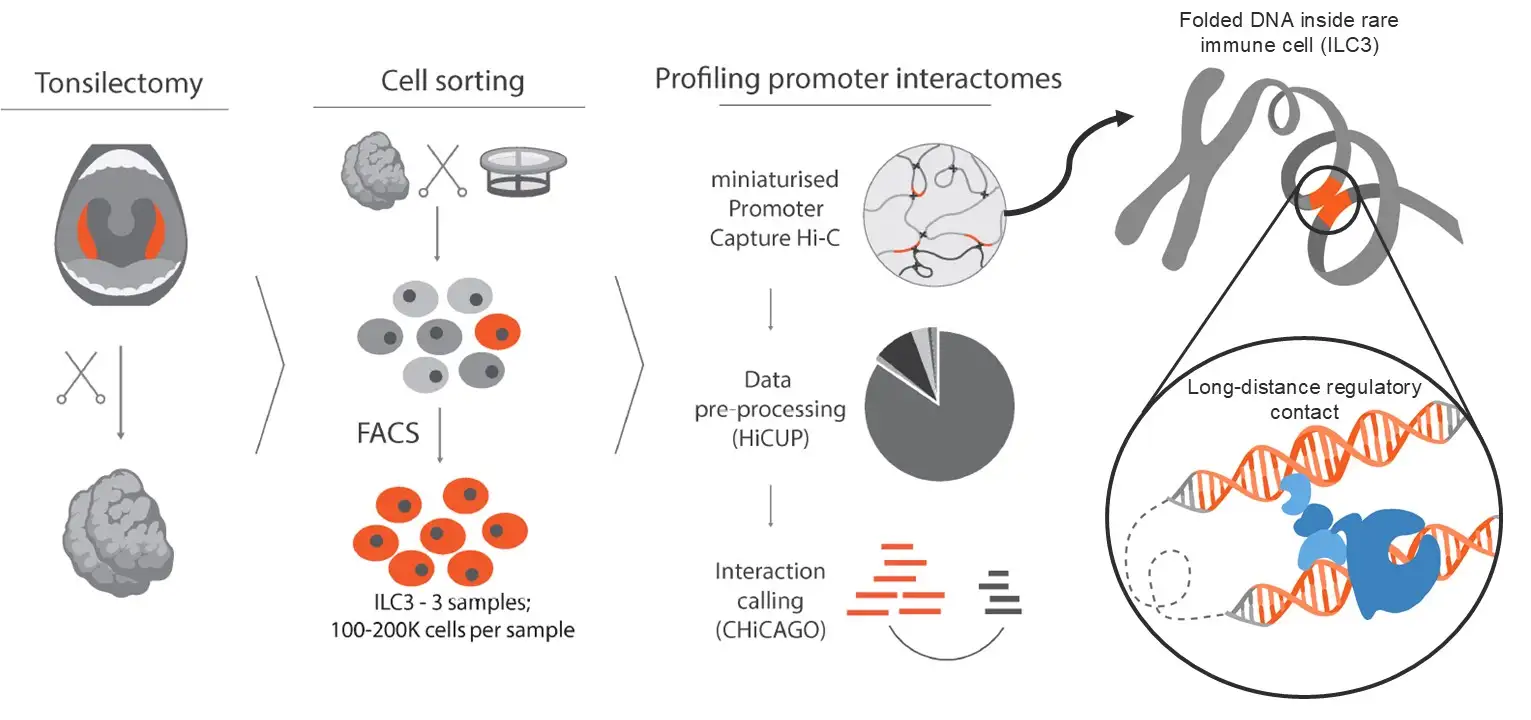
People with Crohn’s disease may benefit from research that identifies the specific genes and immune pathways driving inflammation — this study points to over 100 genes in gut ILC3 cells that could explain how genetic...
ILC3s are rare but important for gut immunity; linking Crohn’s disease genetic risk to the genes they regulate helps move from statistical association toward biological mechanisms that could explain disease pathways.
Mapping 3D genome contacts in rare gut immune cells connects Crohn’s disease genetic risk variants to specific genes and pathways, which can clarify disease mechanisms and guide future drug-target research. The study...