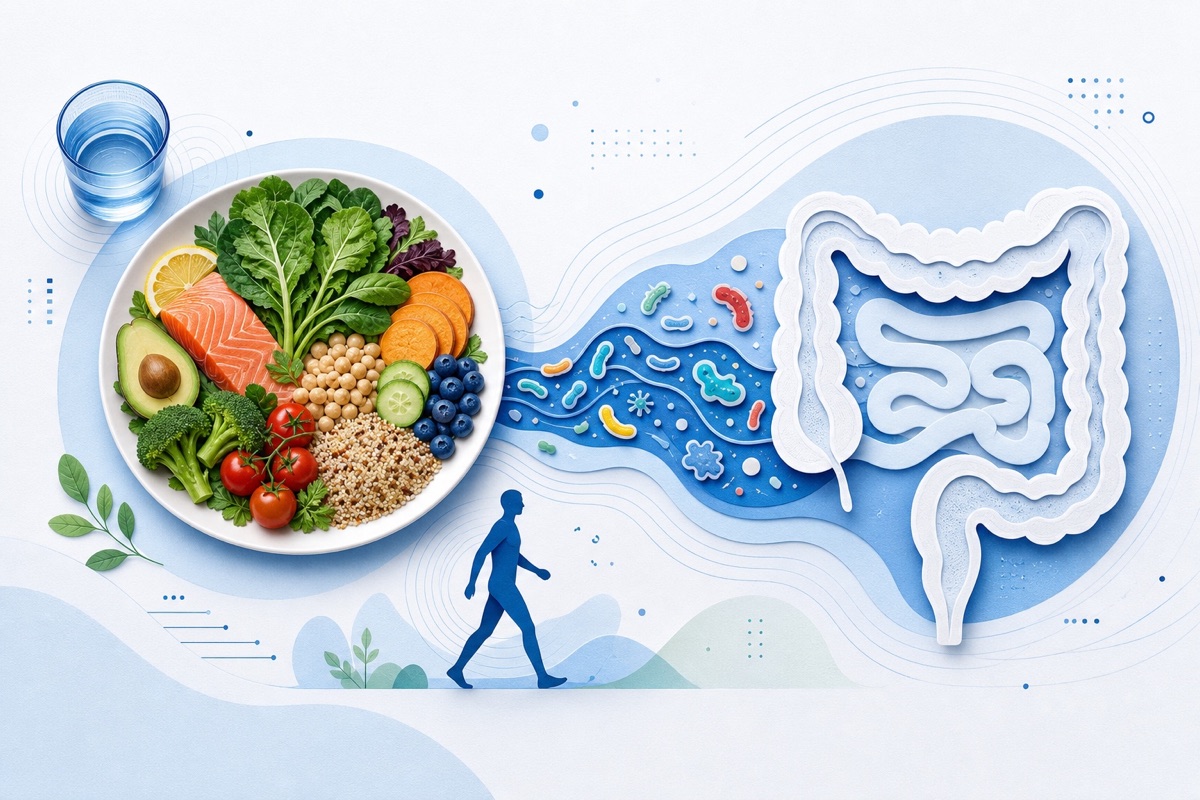
Dietary macronutrients affect microbiota, barrier integrity, and mucosal immunity in ways that could alter IBD activity. Understanding these pathways could inform more targeted dietary strategies beyond generic recommendations.
Who Should Pay Attention
Adult IBD patients interested in diet, clinicians advising on nutrition, and researchers designing diet–microbiome or diet–immune studies.
Study Snapshot
Story typeResearch paper
Evidence typeResearch paper
Source depthJournal abstract
What To Know
This is a narrative review (abstract-level summary provided) that synthesizes mechanistic and translational evidence linking macronutrients to intestinal barrier function and mucosal immunity in IBD.
It highlights specific metabolic pathways such as the tryptophan–kynurenine–indole axis and arginine metabolism for proteins; phospholipid-dependent barrier structure and pro-/anti-inflammatory lipid mediators for lipids; and divergent effects of fermentable fiber versus high-glycemic carbohydrates for carbohydrates.
The authors emphasize bidirectional diet–inflammation interactions and note major translational challenges: cross-nutrient interactions, establishing causality, and tailoring interventions to disease stage or patient subgroups. They call for well-designed intervention trials to test mechanism-informed, personalized nutrition strategies.
Keep In Mind
This is a narrative review (abstract provided) summarizing mechanistic and translational evidence; it does not present new clinical trial results and emphasizes the need for well-designed intervention studies before changing practice.
Source Details
Review the original publication for the complete reporting, methods, and context.
This Cure8 brief is based on source text from the linked article. Cure8 is informational only and is not a substitute for professional medical advice, diagnosis, or treatment.
This review highlights probiotic and synbiotic approaches centered on L. plantarum that aim to rebalance gut microbiota and support the intestinal barrier—areas of direct interest to people with IBD seeking adjunctive,...
Vitamin D appears linked to immune regulation, gut barrier health, and the microbiome—processes relevant to IBD and other intestinal disorders. Understanding this could affect how clinicians monitor and study vitamin D...
Vitamin D deficiency is common in people with IBD and may relate to disease activity, complications, and quality of life; understanding this link could influence monitoring and adjunctive care.