news5cleveland.com
Cure8 news brief
Ohio weed costs double Michigan's, but lawmakers want to make it even more expensive
Access, cost, and policy
Patient Education
Cure8 news brief
Ohio lawmakers are proposing limits on THC and higher taxes that could make cannabis less potent and more expensive. People with Crohn’s disease and other patients who rely on cannabis for symptom control could see reduced access, higher costs, or be pushed to alternative markets.
Ohio adults who use cannabis (medical or recreational); dispensary owners and employees; patients with IBD or Crohn’s using cannabis; clinicians and patient advocates following state cannabis policy.
The bill would cap THC content in edibles at 100 mg per package and reduce maximum THC concentration in adult-use extracts from 90% to 70%. It would also raise the point-of-sale tax from 10% to 15% under the GOP proposal (the governor proposed 20%) and redirect tax revenue to the state General Revenue Fund rather than the specific funds created by Issue 2.
The article includes local price comparisons (Ohio about $192/ounce vs. Michigan about $84/ounce) and quotes industry and political figures describing motivations for the changes (consumer/child safety, government efficiency) and concerns about pushing consumers to the black market or to neighboring states.
This is local news reporting on a proposed bill (S.B. 56) and stakeholder reactions. It quotes a patient-turned-dispensary-owner and lawmakers but does not present clinical trial data. Final law could change during the legislative process.
Review the original publication for the complete reporting, methods, and context.
This Cure8 brief is based on source text from the linked article. Cure8 is informational only and is not a substitute for professional medical advice, diagnosis, or treatment.
This article reports a local government website changing hosts and domain names, which could affect how residents access county services online.
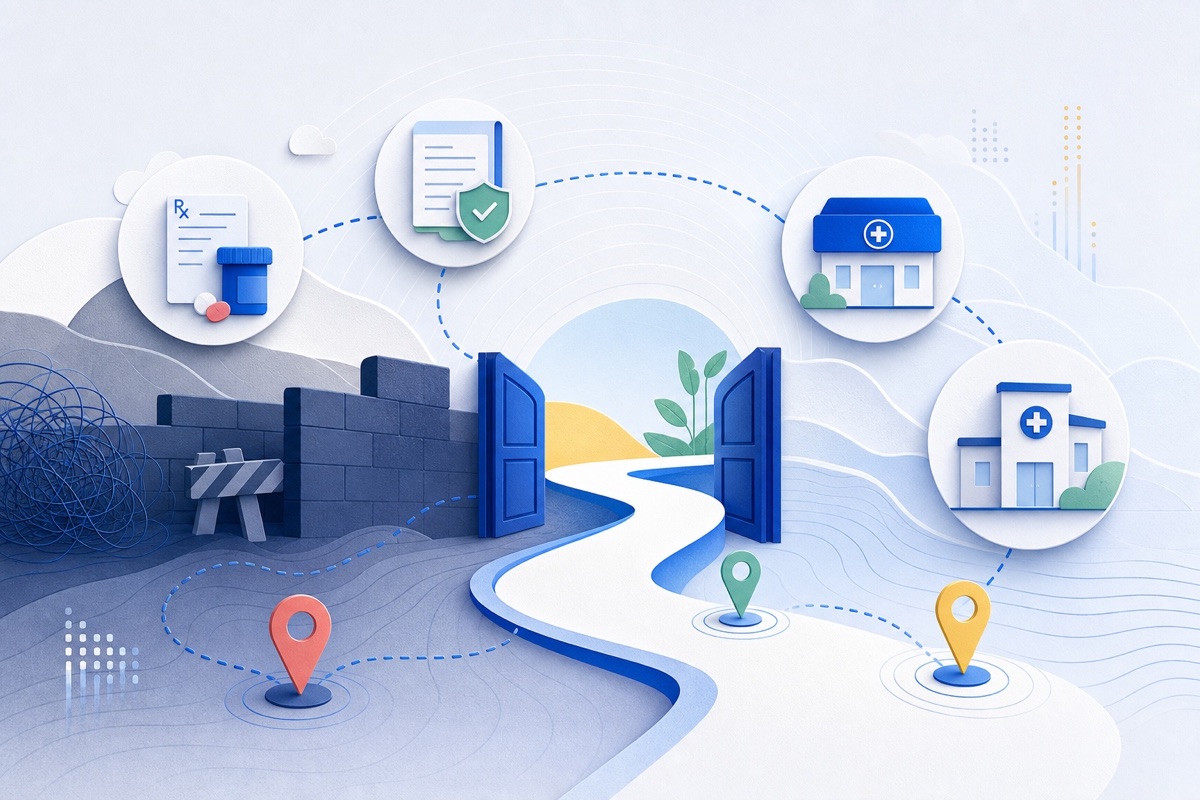
High medication costs and insurance rules can change what treatments a person with Crohn’s can actually get. Knowing about copay assistance and patient-access programs can lower or eliminate out-of-pocket cost and help...
Patent expirations can allow biosimilars or generics to enter the U.S. market, which may lower costs and change which versions of IBD biologic drugs are available. Patients on affected medicines should be aware because...