Access, cost, and policyStrictureBowel ObstructionPatient EducationAdult patientsPatients On BiologicsParents CaregiversNewly Diagnosed
Why This Matters
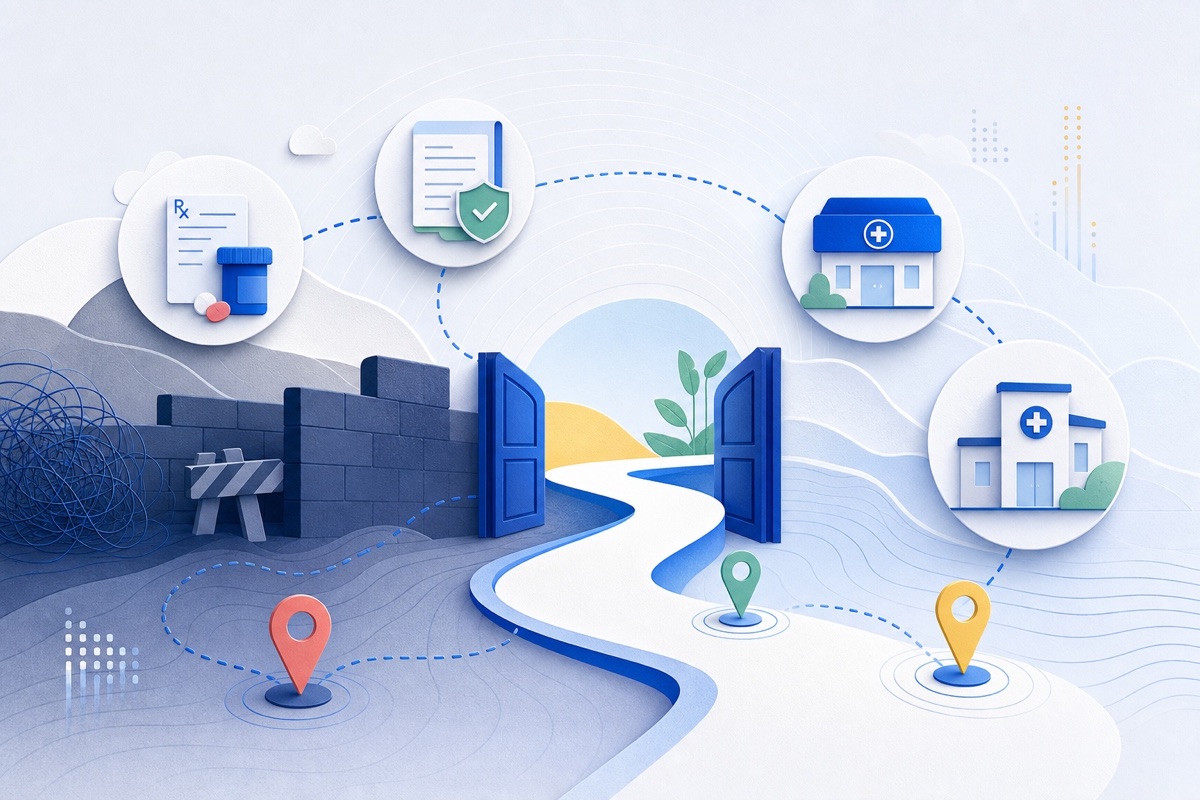
The article reports that many people with IBD face unaffordable care and medication access problems that can lead to nonadherence and worse health. It offers practical steps to manage costs now and calls for policy changes to improve access.
Who Should Pay Attention
Adults with IBD, people taking biologics or specialty meds, caregivers, and clinicians who support patients with medication access and financial-assistance navigation.
Study Snapshot
Story typeClinical Reference
Evidence typePatient Education
Source depthFull source text
What To Know
This article summarizes results from a Crohn’s & Colitis Foundation survey reporting that many people with IBD face high out-of-pocket costs and make financial sacrifices (skipping essentials, increasing debt, delaying care). It highlights that cost-related medication access problems were common and sometimes led to worsened health.
The piece includes one patient story about prior intestinal surgery and lists practical steps patients can take now: check financial assistance programs, understand insurance benefits, negotiate medical bills, consider generics/biosimilars with a clinician, and use copay-accumulator resources.
Keep In Mind
Findings are drawn from a Crohn’s & Colitis Foundation survey and framed as advocacy; this is not new clinical research. Practical tips (assistance programs, insurance navigation, copay-accumulator tools) are intended to help but should be discussed with a clinician or benefits advisor before changing treatment.
Source Details
Review the original publication for the complete reporting, methods, and context.
This Cure8 brief is based on source text from the linked article. Cure8 is informational only and is not a substitute for professional medical advice, diagnosis, or treatment.
After a Crohn’s or UC flare you may tolerate less fiber and need easy-to-digest foods and extra protein to support recovery. This article gives practical, food-based suggestions to help with nutrient intake while your...
IBD in children can affect growth, school life, and emotional health, and early recognition reduces risk of complications. Families should know warning signs and that very early‑onset cases may need genetic evaluation...
Early clinical data suggest PALI-2108 may affect both inflammation and fibrosis in Crohn’s disease and shows biomarker changes (like fecal calprotectin) that could matter to people monitoring disease activity.