Current Gastroenterology Reports
Cure8 research brief
Cure8 research brief
After surgery, many people with IBD experience altered gut function that can cause dehydration, high stool output, and nutrient losses. Borrowing SBS management strategies can help stabilize hydration and nutrition and may reduce complications.
IBD patients with prior intestinal resections or ostomies, gastroenterologists, surgeons, dietitians, and caregivers managing high-output stomas or post-operative diarrhea.
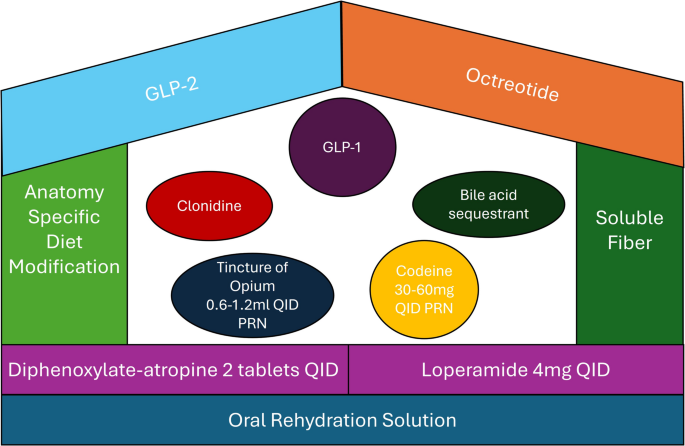
The article emphasizes that IBD patients often have post-surgical anatomy or functional changes that benefit from SBS-style care even if they do not meet formal SBS criteria. Anatomy-specific dietary changes and structured approaches to anti-motility and adjunctive therapies are described as foundations of care.
The review notes that optimal dosing of anti-motility agents and use of oral rehydration solutions are key management steps applicable across practice settings. It also underscores the importance of recognizing surgical and clinical history features that suggest risk for intestinal failure or SBS.
Practical takeaways include focusing on rehydration strategies, tailoring diet to remaining anatomy, and considering pharmacologic anti-motility therapy under clinical guidance.
This classification is based on the article abstract (structured-content depth: abstract). The review summarizes management approaches rather than reporting new trial results; it is intended as a practical clinical review.
Review the original publication for the complete reporting, methods, and context.
This Cure8 brief is based on source text from the linked article. Cure8 is informational only and is not a substitute for professional medical advice, diagnosis, or treatment.
Older adults with IBD are at higher risk of functional decline; SE and PT are low-risk interventions that may help reduce frailty, sarcopenia, fatigue, joint pain, and improve postoperative recovery and quality of life.
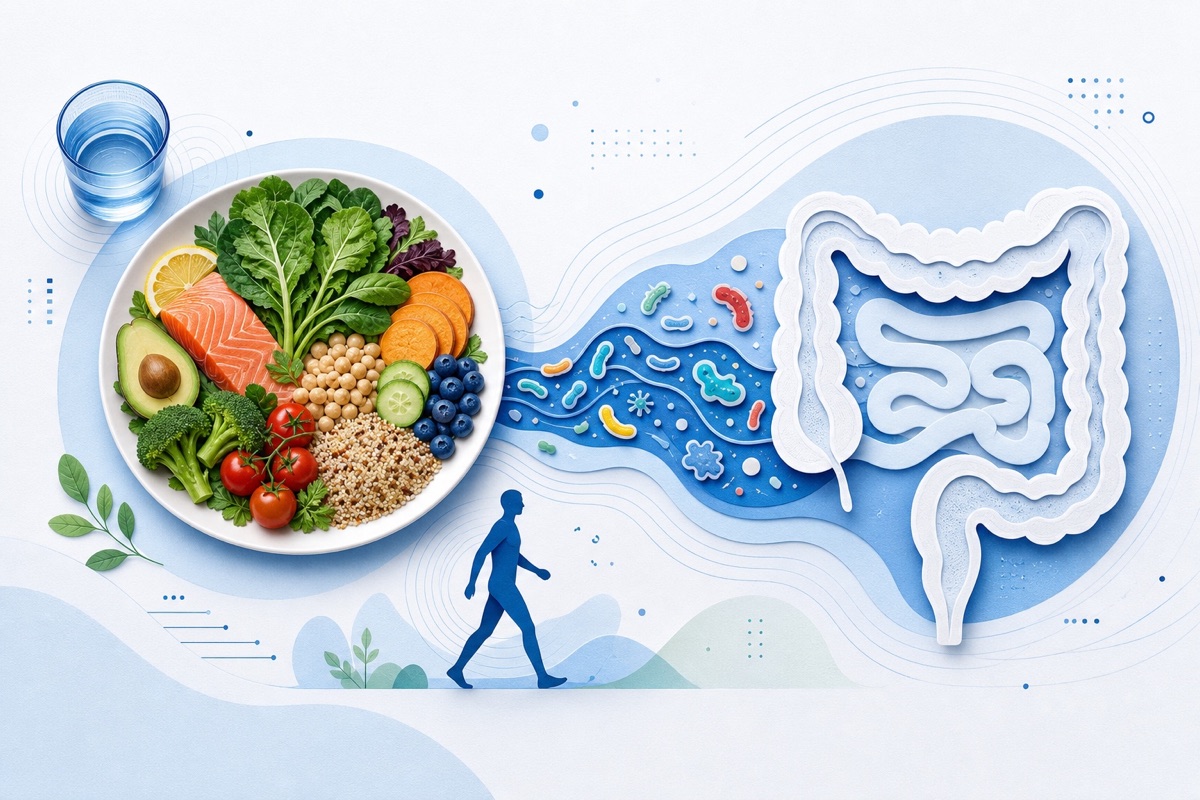
Diet appears both to influence IBD risk and to be a potential treatment component; patients may be able to reduce inflammation and support therapy through targeted dietary approaches. Clinicians and policymakers could...
Nutrition affects disease course, symptom burden, complications, and quality of life in IBD. A phenotype-based framework could help clinicians and patients personalize dietary and nutrition interventions more...

