High out-of-pocket costs and insurance practices can force people with Crohn’s and other chronic autoimmune diseases to delay or stop biologic therapy, which has direct consequences for disease control and quality of life.
The article highlights local examples from Connecticut that reflect broader affordability challenges.
Who Should Pay Attention
Patients on biologic therapies or biosimilars, caregivers, clinicians prescribing specialty drugs, and policymakers interested in drug affordability and insurance regulation.
Study Snapshot
Story typeMainstream News
Evidence typeOpinion or Commentary
Source depthFull source text
What To Know
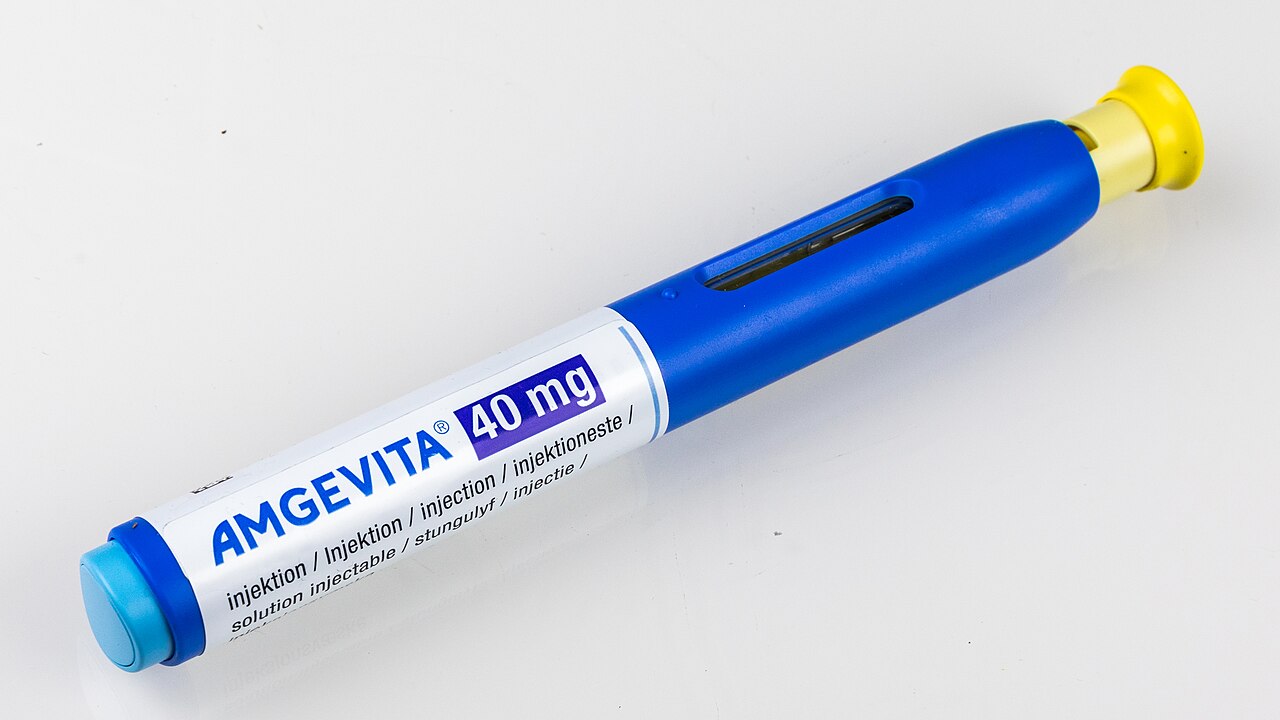
The author reports personal experience: her husband has Crohn’s and uses adalimumab. She explains that Humira was once widely supported by manufacturer assistance programs but that after patent expirations and the arrival of biosimilars, patients can face large monthly copays and high yearly out-of-pocket maximums.
The piece also recounts administrative barriers such as forced pharmacy switches and repeated phone calls to secure medication deliveries. The article is an opinion column advocating policy change, calling for insurer caps on patient costs and broader reforms to make specialty drugs affordable.
It uses personal and extrapolated local estimates to illustrate financial strain but does not present original research data or formal analysis.
Keep In Mind
This is an opinion piece grounded in personal experience and public reporting on drug pricing and insurance coverage; it does not present new clinical data. Pricing, patient-assistance program availability, and insurer policies vary by plan and over time.
Source Details
Review the original publication for the complete reporting, methods, and context.
This Cure8 brief is based on source text from the linked article. Cure8 is informational only and is not a substitute for professional medical advice, diagnosis, or treatment.
Biologics are a common and important treatment option for people with moderate to severe Crohn’s disease; knowing when they’re used and their potential risks helps patients discuss treatment choices with their care team.
An updated drug label for AMJEVITA affects people with Crohn's disease, ulcerative colitis, and other immune conditions because it defines FDA‑approved uses, dosing schedules (including pediatric dosing), and safety...
A large network meta-analysis found adalimumab reduces risk of clinical relapse in Crohn’s disease and upadacitinib reduces loss of clinical response; these findings summarize comparative maintenance therapy evidence...