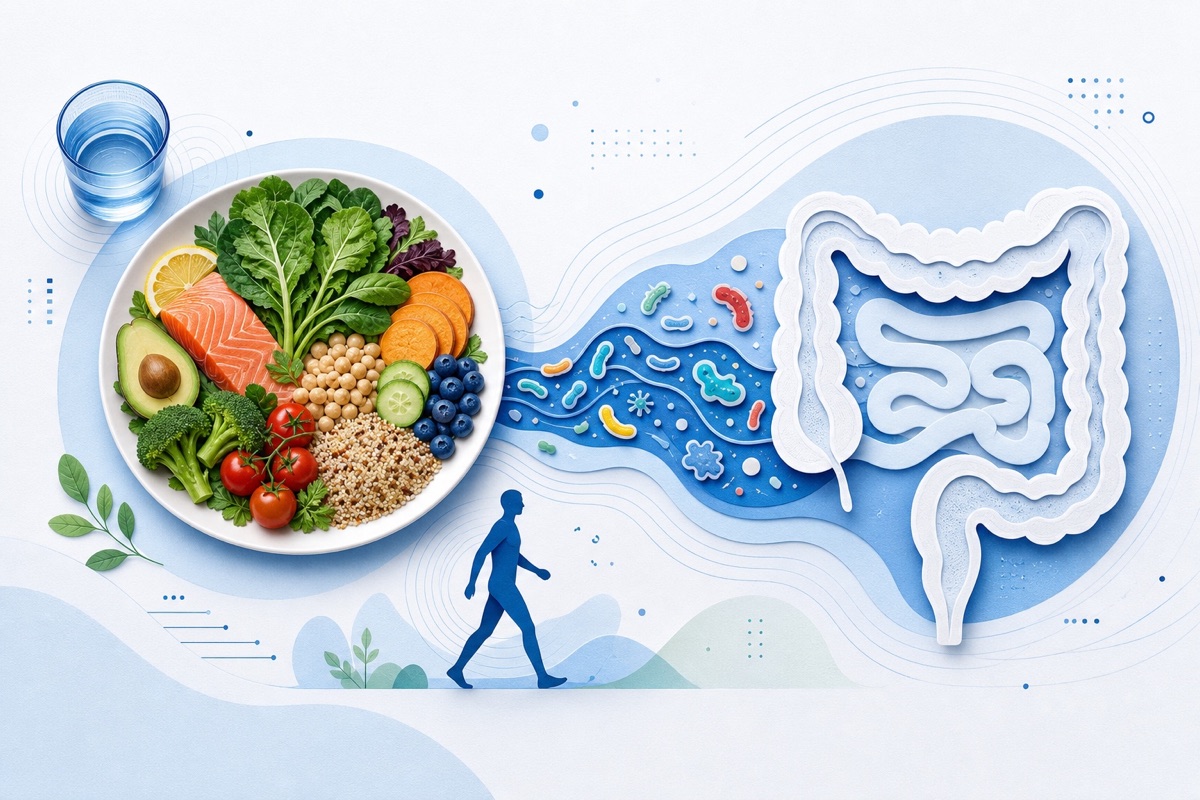
Adding structured partial enteral nutrition to advanced drug therapy could offer a non-pharmacologic way to improve short-term, steroid-free remission rates in active Crohn's disease if the trial shows benefit.
Patients and clinicians interested in diet-based adjuncts to biologics would find the question directly relevant.
Who Should Pay Attention
Adults with active Crohn's disease, clinicians treating Crohn's disease, researchers in IBD nutrition and treatment augmentation, and patients considering combining diet-based approaches with advanced therapies.
Study Snapshot
Story typeClinical Reference
Trial phaseNA
Enrollment80 participants
Study statusNot_yet_recruiting
Source depthTrial registry record
What To Know
This is a multicenter, non-randomized, prospective open-label interventional study that will recruit about 80 adults across 15 US sites. Participants choose to add PEN — consuming Kate Farms Peptide 1.5 to provide ~60% of calories while following the Crohn's Disease Exclusion Diet — or to start pharmacologic advanced therapy without PEN.
The main outcome is the rate of steroid-free clinical remission at week 8 defined by short CDAI and steroid dose limits. The study is listed as not yet recruiting and is not randomized; participants select whether to include PEN, which may affect comparisons between groups.
The protocol excludes people with ostomies, recent CDED use, short-gut or high prior parenteral nutrition, certain surgical needs or symptomatic strictures, diabetes on therapy, pregnancy, and other criteria.
Keep In Mind
This is a registered, not-yet-recruiting interventional study and does not report results. The study is non-randomized and participants choose whether to take PEN, which can introduce selection bias. The protocol specifies a particular commercial formula and the Crohn's Disease Exclusion Diet; applicability to other formulas or diets is uncertain.
Source Details
Review the original publication for the complete reporting, methods, and context.
This Cure8 brief is based on source text from the linked article. Cure8 is informational only and is not a substitute for professional medical advice, diagnosis, or treatment.
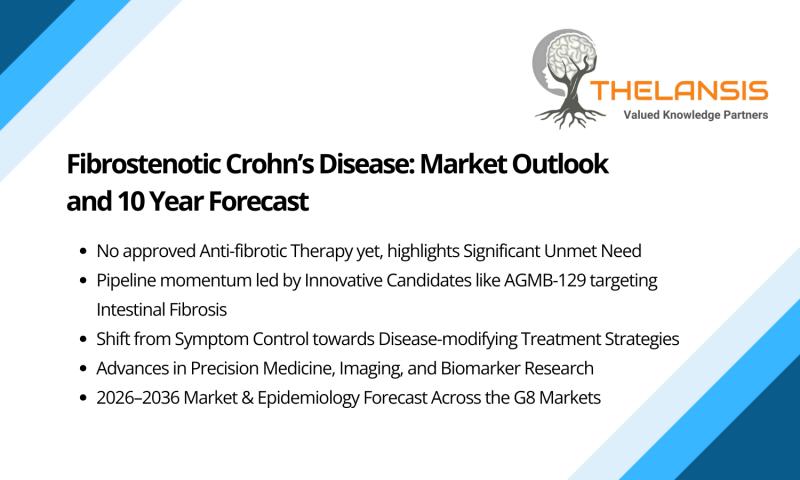
People with Crohn's disease often develop intestinal fibrosis and strictures that current drugs don't reverse; a growing drug pipeline aiming at anti‑fibrotic therapies could change future treatment options.
Cure8 found this source from tmcnet.com, but the page could not be read reliably yet. It is tagged for Crohn's disease, Inflammatory bowel disease, and Stricture. Open the original article for the full details.
This is an early positive interim report of a new oral drug (ALK5 inhibitor) aimed at fibrostenosing Crohn’s disease. Treatments that target intestinal strictures are an important area of research for people with...