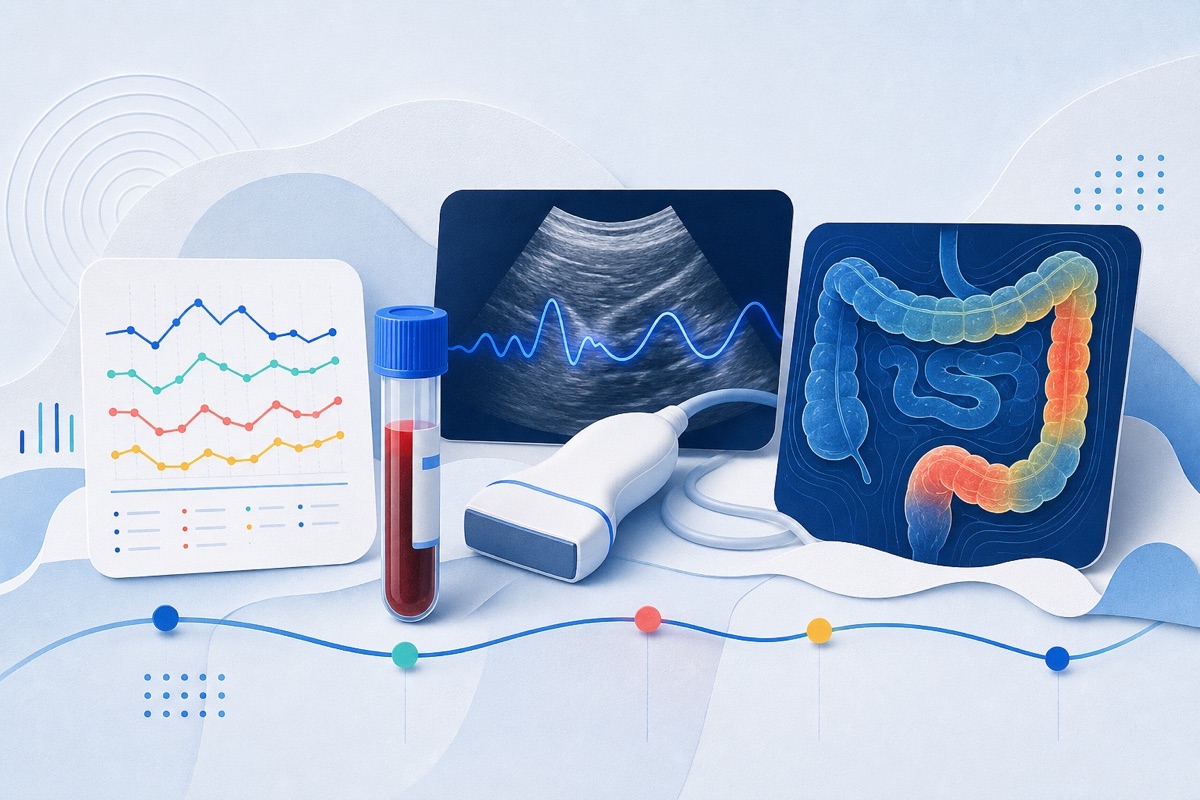
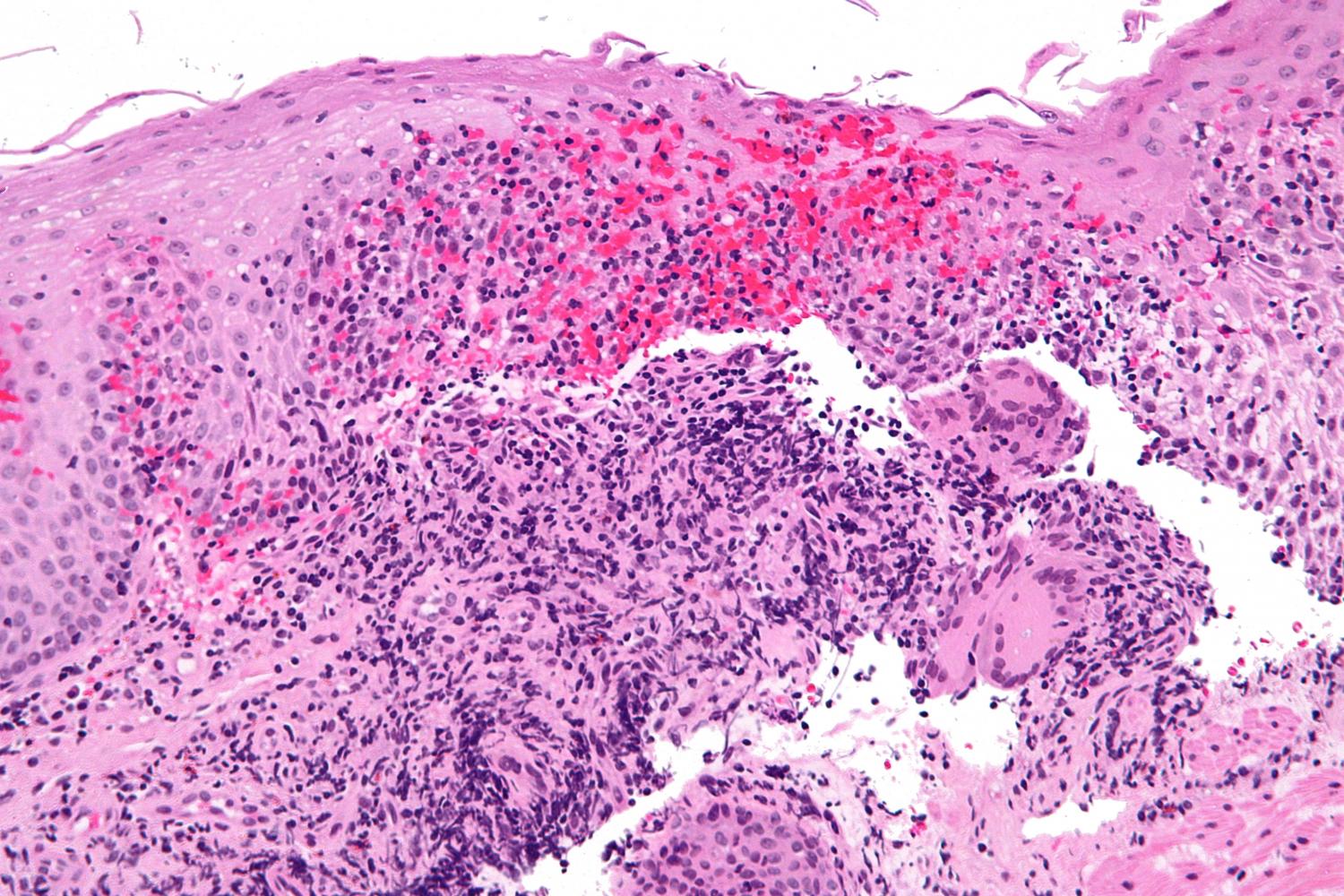
DOTATATE PET/CT can show uptake in non‑neuroendocrine diseases, which may lead to misdiagnosis or unnecessary treatments if imaging findings are not confirmed. People with Crohn's disease or other abdominal pathology who have suspicious PET findings should know further testing or biopsy may be needed.
Who Should Pay Attention
Clinicians (radiology, gastroenterology, oncology), adult patients with suspected NET or complex abdominal disease, and caregivers involved in diagnostic decision-making.
Study Snapshot
Story typeResearch paper
Evidence typeResearch paper
Source depthJournal abstract
What To Know
This Radiology Case Reports abstract describes a 70-year-old woman whose 68Ga-DOTATATE PET/CT showed uptake in locations that initially suggested metastatic small bowel neuroendocrine tumor, but tissue sampling and anatomic correlation revealed three separate non‑NET causes: grade 3A follicular lymphoma, Crohn's disease affecting the terminal ileum, and a benign vertebral hemangioma.
The main point is that DOTATATE uptake can occur in non‑neuroendocrine conditions and may mimic NET spread. For patients and clinicians, this means PET/CT findings should be interpreted alongside CT/MRI, endoscopy, and pathology before concluding a diagnosis of NET.
When scans and clinical context disagree, biopsy or further targeted imaging can clarify the cause. If you or a loved one are undergoing DOTATATE PET/CT for suspected NET, ask your team how potential false positives will be worked up and whether targeted tissue sampling is planned.
Keep a copy of all imaging and pathology reports to help multidisciplinary review.
Keep In Mind
This entry is based on an abstract-style case report. It illustrates a diagnostic pitfall (false-positive DOTATATE uptake) rather than a study of prevalence or outcomes; findings come from a single patient and rely on imaging-pathology correlation.
Source Details
Review the original publication for the complete reporting, methods, and context.
This Cure8 brief is based on source text from the linked article. Cure8 is informational only and is not a substitute for professional medical advice, diagnosis, or treatment.
The study suggests a blood cytokine (CXCL9) could help noninvasively detect intestinal inflammation in Crohn’s disease, which might one day reduce reliance on colonoscopy for monitoring disease activity.
Frequent routine colonoscopies after Crohn's surgery are invasive and burdensome. Using fecal calprotectin for regular monitoring could reduce unnecessary colonoscopies and detect recurrence earlier when inflammation is...