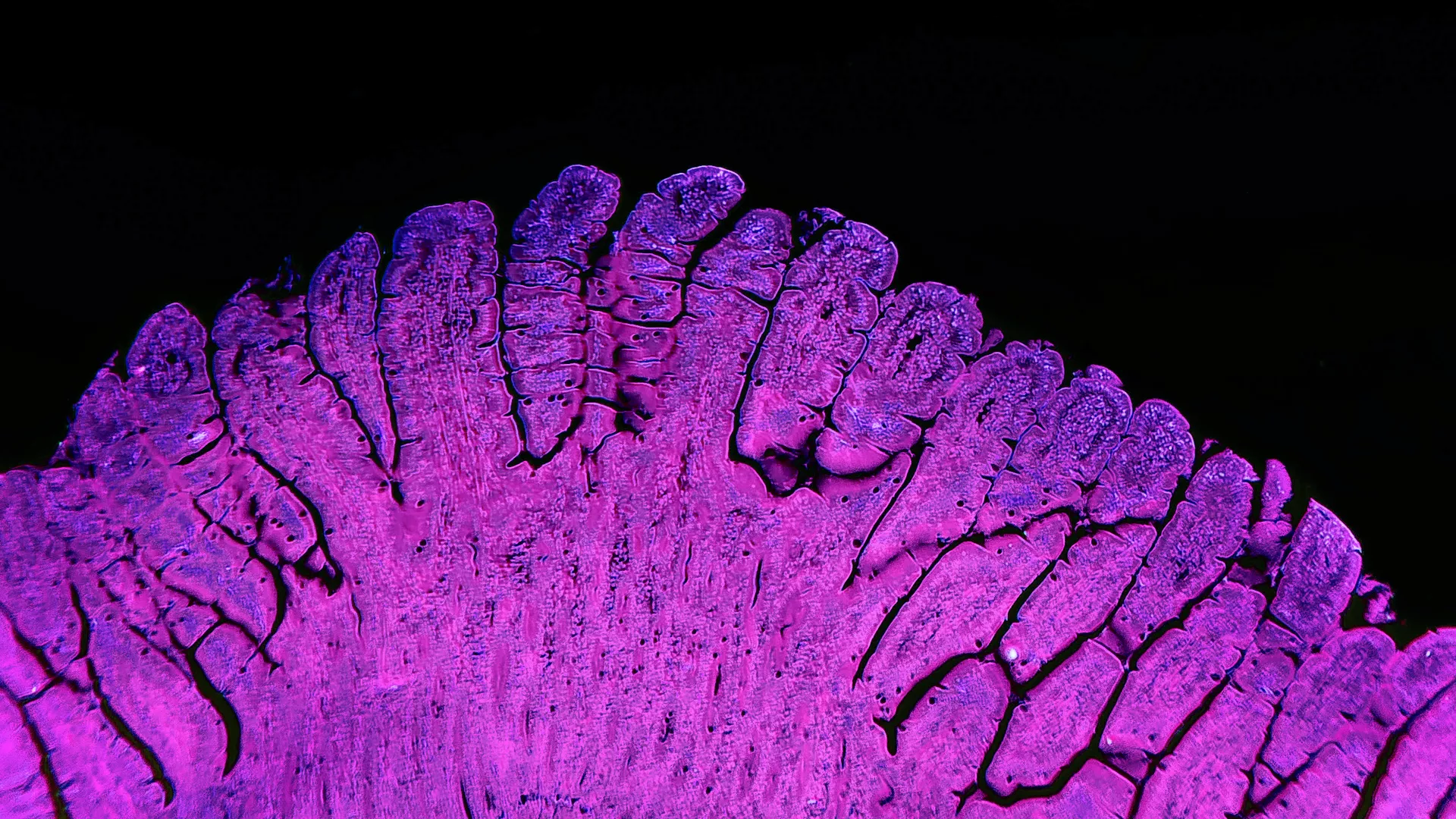
This study identifies NR1D1 activation by the experimental drug SR9009 as a potential way to reduce inflammation and improve colon pathology in a mouse model of obesity-associated ulcerative colitis.
That suggests a new biological target (NR1D1/NF‑κB and macrophage polarization) which could be relevant to future IBD therapies.
Who Should Pay Attention
Researchers studying IBD mechanisms or drug discovery, clinicians interested in emerging preclinical IBD therapeutics, and patients or advocates who follow translational research in ulcerative colitis and obesity-related inflammation.
Study Snapshot
Story typeResearch paper
Evidence typeResearch paper
Source depthJournal abstract
What To Know
This paper reports preclinical laboratory research in mice testing SR9009, a small molecule NR1D1 agonist, in a model combining high-fat diet and DSS to mimic obesity-associated ulcerative colitis. The authors measured weight, blood lipids, colonic pathology, inflammatory cytokines (IL‑1β, IL‑18), NR1D1 expression, and macrophage polarization (M1 vs M2).
Treatment with SR9009 in this model was associated with lower lipids and inflammatory cytokines, improved colonic pathology scores, increased NR1D1 expression, and a shift from M1 toward M2 macrophage markers; the authors implicate modulation of NF‑κB–related signaling as a possible mechanism.
This is preclinical, mechanistic research in mice and does not establish safety or efficacy in people with UC. SR9009 here is studied as an experimental NR1D1 agonist; the report does not describe clinical testing, dosing for humans, or approved use.
If you have obesity and UC, this study does not mean SR9009 is a treatment option now—it suggests a pathway (NR1D1 → NF‑κB → macrophage polarization) that might be explored in future drug development.
If you follow research, watch for follow-up studies that test SR9009 (or related NR1D1 modulators) in additional preclinical models, safety studies, and any early-phase clinical trials before considering clinical implications.
Keep In Mind
Findings come from a mouse model (high‑fat diet + DSS) and are mechanistic/preclinical. SR9009 is an investigational compound here; the study does not provide human safety or efficacy data. Further validation and clinical trials would be required before clinical use.
Source Details
Review the original publication for the complete reporting, methods, and context.
This Cure8 brief is based on source text from the linked article. Cure8 is informational only and is not a substitute for professional medical advice, diagnosis, or treatment.
The study describes new small molecules that target IL‑6 and NF‑κB and showed anti-inflammatory effects in laboratory and mouse colitis models, signaling a potential early-stage drug-discovery direction relevant to IBD...
The study describes a new oral nanotherapy that delivered apremilast to the inflamed colon in mice and reportedly reduced gut inflammation and behaviors resembling anxiety/depression—suggesting a combined...
A natural compound (diosgenin) reduced disease signs and inflammatory markers in a mouse model of ulcerative colitis, suggesting a possible anti-inflammatory mechanism that could inform future preclinical research.