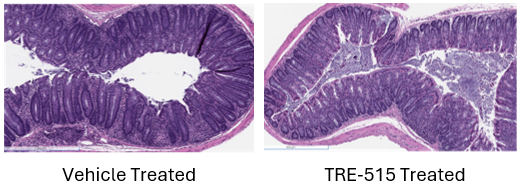
Researchers are exploring a new way to block colon-homing T cells using a GPR15-targeting peptide; if successful, this could lead to a novel mechanism for treating IBD patients who don’t respond to current therapies.
The project is at the preclinical stage, so it’s early but potentially relevant to future drug development in Crohn’s disease and ulcerative colitis.
Who Should Pay Attention
Researchers studying IBD immunology, drug-discovery teams focused on GPCRs or cell trafficking, clinicians interested in emerging IBD therapies, and patients curious about future treatment strategies for biologic nonresponders.
Study Snapshot
Story typeRegulatory
Evidence typeFunded research project
Study statusFunded
Source depthResearch project record
What To Know
This is a funded NIH Reporter project record from the University of Illinois at Chicago describing preclinical development of a peptide-based nanoparticle antagonist targeting GPR15, a GPCR involved in T cell homing to colon.
The investigators plan in vitro characterization of a TM4-derived peptide inhibitor of GPR15 signaling (Aim 1) and testing of therapeutic potential in preclinical colitis models (Aim 2). The project frames GPR15 as a novel target for blocking pathogenic T cell trafficking in IBD, building on prior work using TM-mimic peptides against other GPCRs.
The entry summarizes rationale, preliminary data, and the planned experiments but does not report clinical results or confirm efficacy in humans. It reads as a project abstract describing methods and aims rather than final findings.
What to watch for next: peer-reviewed preclinical results reporting the peptide’s mechanism, efficacy and safety in animal colitis models, followed by any toxicology and IND-enabling studies that would precede human trials.
Keep In Mind
This record is a funded research project abstract (NIH Reporter) describing planned preclinical work. It does not present peer-reviewed preclinical or clinical trial results. Any therapeutic implications are speculative until published data and safety evaluations are available.
Source Details
Review the original publication for the complete reporting, methods, and context.
Funded research projectEvidence type derived from source or registry metadata.
PublicationNIH RePORTER
AuthorsSOJIN SHIKANO
InstitutionUNIVERSITY OF ILLINOIS AT CHICAGO
Study typeFunded Research Project
Indexed viaNIH RePORTER
Source typeFunded research record
PublishedAug 5, 2026, 12:00 AM
Content availableResearch project record
Funding disclosed by the source: National Institute of Allergy and Infectious Diseases - R21AI193553 - $200,413
This Cure8 brief is based on source text from the linked article. Cure8 is informational only and is not a substitute for professional medical advice, diagnosis, or treatment.
Researchers are exploring a way to deliver biologic drugs directly in the gut using engineered B cells that become long-lived plasma cells. If successful, this could allow sustained, localized anti-inflammatory protein...
Treg cell therapy aims to reduce harmful immune activity that drives Crohn's disease. If developed successfully, it could become a targeted cell-based treatment option for patients who don't respond to current therapies.
Patients with Crohn’s disease and other IBD forms may see new research directions aimed at blocking immune cell proliferation by targeting nucleotide metabolism. This is early-stage, preclinical work presented at a...