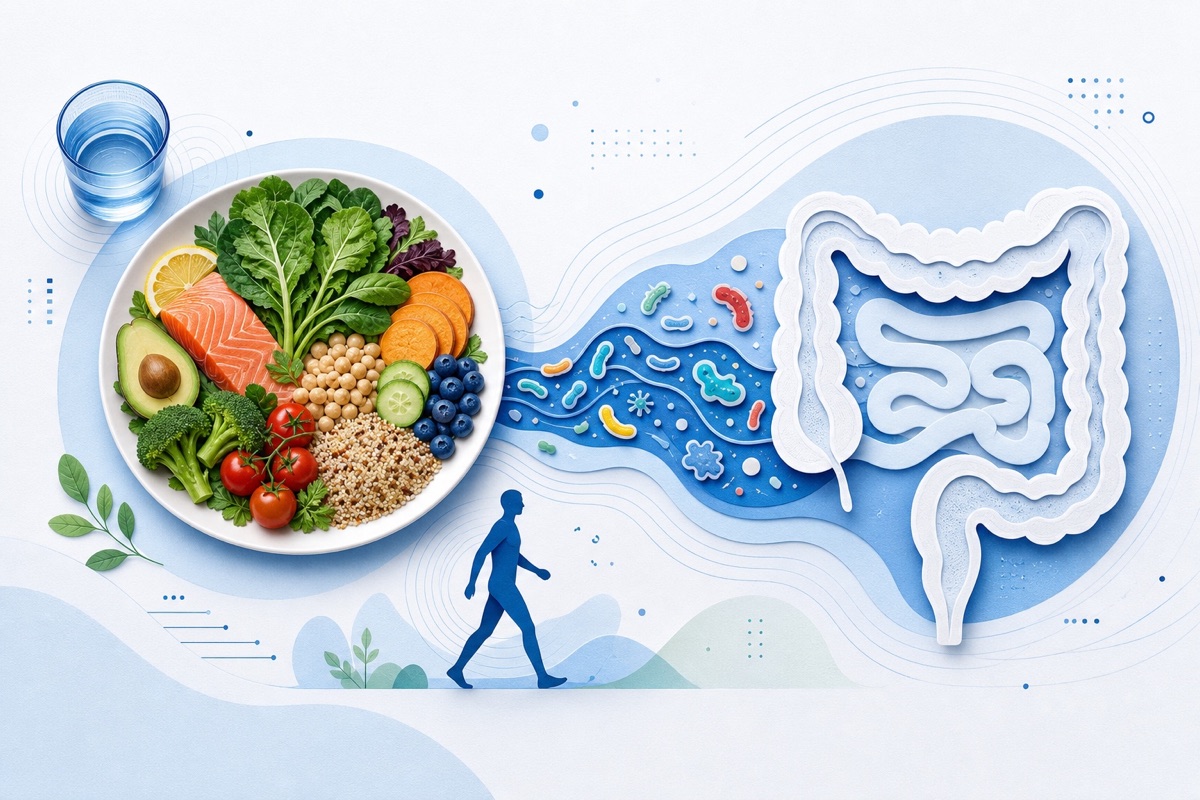
The study suggests a dietary/prebiotic compound (2'-FL) can change gut microbes and patient-reported disease control in mild-to-moderate UC, which could point to non-drug ways to support symptoms and microbiome health.
Who Should Pay Attention
Adults with ulcerative colitis, clinicians following microbiome-directed therapies or dietary interventions, and researchers studying HMOs or microbiome-based treatments.
Study Snapshot
Story typeResearch paper
Evidence typeClinical trial
Source depthJournal abstract
What To Know
The trial randomized 38 adults with mild-to-moderate UC to 28 days of 2'-FL or a maltodextrin placebo, then crossed over after a washout. The main microbial finding was a measurable rise in Bifidobacterium abundance during 2'-FL exposure; fecal metabolites also changed in ways consistent with altered microbial carbohydrate metabolism.
Conventional clinical indices did not show a clear treatment effect, though patient-reported disease control improved. Exploratory analyses suggested age and baseline microbiota might affect who responds.
The study is reported as a randomized, double-blind, placebo-controlled crossover trial (ClinicalTrials.gov NCT06050811) and the source material is an abstract/full-text from the Journal of Crohn's & Colitis. This brief is grounded in the article abstract provided and does not represent a full appraisal of the complete paper.
Practical takeaway: 2'-FL appears to modulate the gut microbiome and some patient-reported outcomes in mild-to-moderate UC, but conventional clinical measures were unchanged in this trial. More and larger studies would be needed to confirm clinical benefits, identify who is most likely to respond, and determine safety and long-term effects.
Keep In Mind
This classification is based on the article abstract/full-text as presented. The trial showed microbiome and metabolite changes and improved patient-reported control but did not show clear changes on conventional clinical indices. Results are exploratory for subgroups (age, baseline microbiota) and further research is needed to confirm clinical efficacy and safety.
Source Details
Review the original publication for the complete reporting, methods, and context.
Study typeRandomized controlled trial, journal article
Indexed viaEurope PMC
Source typeResearch paper
PublishedAug 1, 2026, 12:00 AM
Content availableJournal abstract
Funding disclosed by the source: Royal Berkshire Foundation Trust; the Health Innovation Partnership between the University of Reading; Department of Gastroenterology, Royal Berkshire Hospital
This Cure8 brief is based on source text from the linked article. Cure8 is informational only and is not a substitute for professional medical advice, diagnosis, or treatment.
Vitamin D appears linked to immune regulation, gut barrier health, and the microbiome—processes relevant to IBD and other intestinal disorders. Understanding this could affect how clinicians monitor and study vitamin D...
Dietary strategies like the Mediterranean diet and time-restricted feeding could be low-risk ways to influence gut microbiota, short-chain fatty acids, and inflammation in people with ulcerative colitis; this trial will...
Dietary components and processed vegetarian/vegan products may alter the gut microbiome and intestinal barrier — both are relevant to IBD. This study will directly compare common vegan products and meat substitutes with...