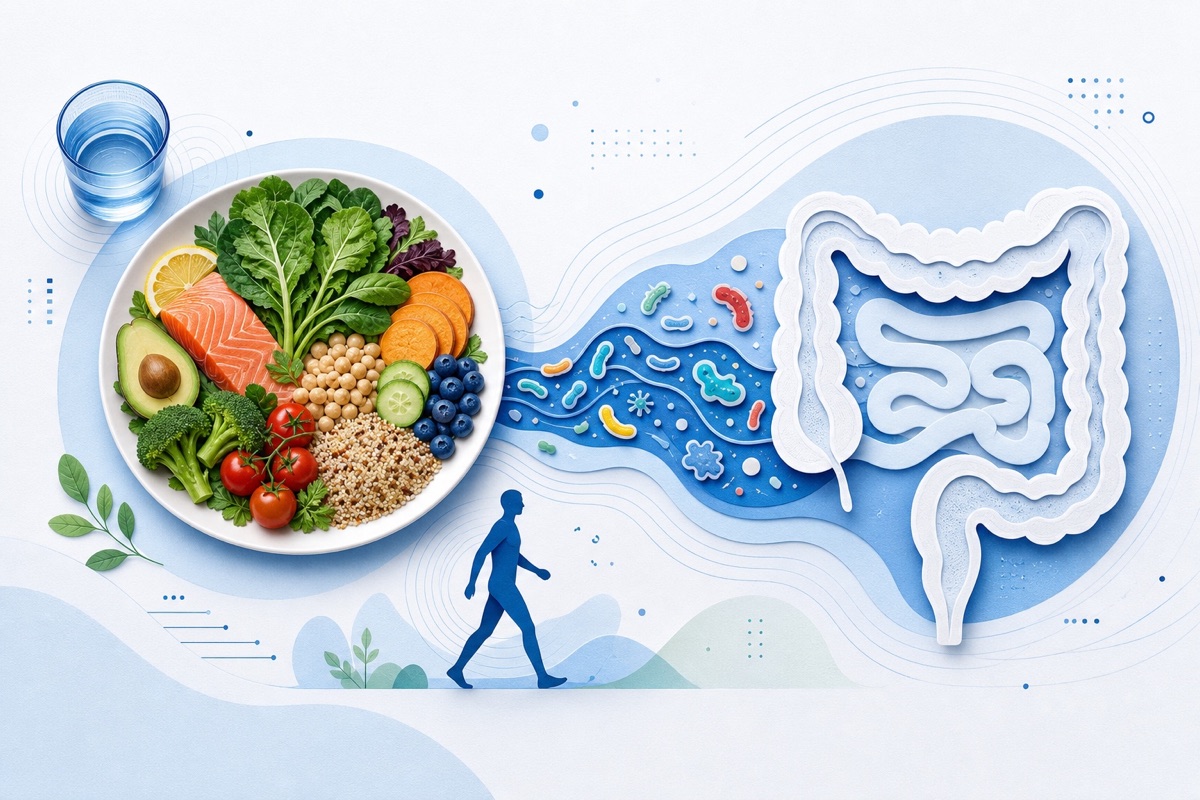
The study suggests a mechanism (reduced intestinal oxalate transport) that could make common “healthy” plant foods aggravate intestinal inflammation in some people with Crohn’s or ulcerative colitis, which could affect personalized dietary advice.
Who Should Pay Attention
Adults with Crohn’s disease or ulcerative colitis, clinicians and dietitians who manage IBD, and researchers studying diet–inflammation links in IBD.
Study Snapshot
Story typeMainstream News
Evidence typeClinical study
Source depthFull source text
What To Know
A study reported lower levels of oxalate transporter proteins (SLC26A2 and SLC26A3) in intestinal tissue from people with IBD, and patients with Crohn’s had higher stool oxalate despite similar diets to controls.
Animal and lab experiments cited by the article showed that high-oxalate diets can worsen colitis in mice and increase inflammatory responses in immune cells. The article notes a possible link between reduced activity of a third transporter (SLC26A6) and stenosing Crohn’s, but describes this as exploratory and needing confirmation in larger patient groups.
Practical takeaway This research suggests oxalate content of foods (e.g., spinach, almonds, sweet potatoes) could matter for some people with IBD, but current guidelines still favor individualized dietary advice; speak with a gastroenterologist or IBD dietitian before making major dietary changes.
Keep In Mind
The article summarizes a published study and supporting animal and lab data; findings about transport proteins and stenosing Crohn’s are described as exploratory and not yet practice-changing. ECCO guidance still recommends individualized diet plans.
Source Details
Review the original publication for the complete reporting, methods, and context.
Clinical studyArticle type assigned from Cure8 classification; confirm details in the original source.
Publicationfutura-sciences.com
AuthorsFutura Team
Indexed viaGoogle News
Source typeWeb article
PublishedSep 21, 2026, 1:12 PM
Content availableFull source text
This Cure8 brief is based on source text from the linked article. Cure8 is informational only and is not a substitute for professional medical advice, diagnosis, or treatment.
If validated, impaired oxalate handling could help explain why some people with IBD react differently to the same plant-rich diet and point to new dietary or microbiome-based interventions to reduce gut inflammation.
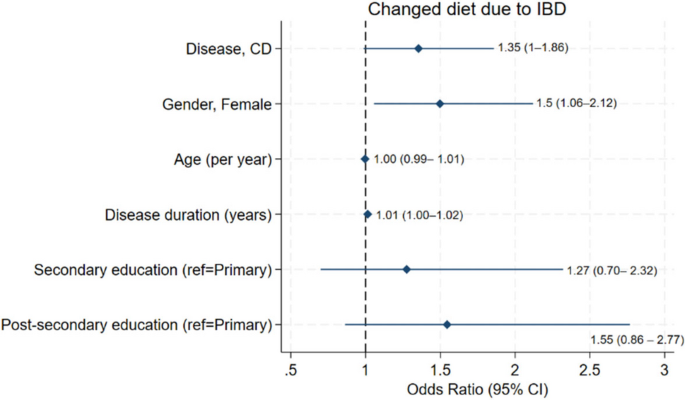
Many people with IBD change their diets and avoid foods they believe trigger flares. Differences between Crohn’s disease and ulcerative colitis were observed, and many—especially those with UC—reported not receiving...
The article highlights a reported rise in IBD among young people and reinforces that diet and lifestyle factors may influence risk and flare-ups. It reminds readers that IBD symptoms can be mistaken for common...