Early effective treatment may change long-term outcomes in Crohn's disease. Understanding the timing of a potential "window of opportunity" could affect decisions about when to start or escalate therapy.
Who Should Pay Attention
Newly diagnosed Crohn's patients, adult patients weighing early escalation, clinicians managing IBD, and researchers focused on disease modification and treatment timing.
Study Snapshot
Story typeResearch paper
Evidence typeResearch paper
Source depthJournal abstract
What To Know
The paper summarizes recent studies that investigate timing of therapy and the concept that earlier, effective treatment may alter disease course and improve quality of life. It discusses uncertainty about exactly when that window is and reviews evidence informing clinical decision-making.
The review is presented as an evidence summary (abstract-level content provided here), so it synthesizes published studies rather than reporting a single new trial. It is useful for patients and clinicians thinking about treatment timing but does not replace personalized medical advice.
Keep In Mind
This classification and note are grounded in the article abstract/summary provided (structured content depth: abstract). The article is a review synthesizing recent studies rather than reporting a single new trial; consult clinicians for individualized decisions.
Source Details
Review the original publication for the complete reporting, methods, and context.
This Cure8 brief is based on source text from the linked article. Cure8 is informational only and is not a substitute for professional medical advice, diagnosis, or treatment.
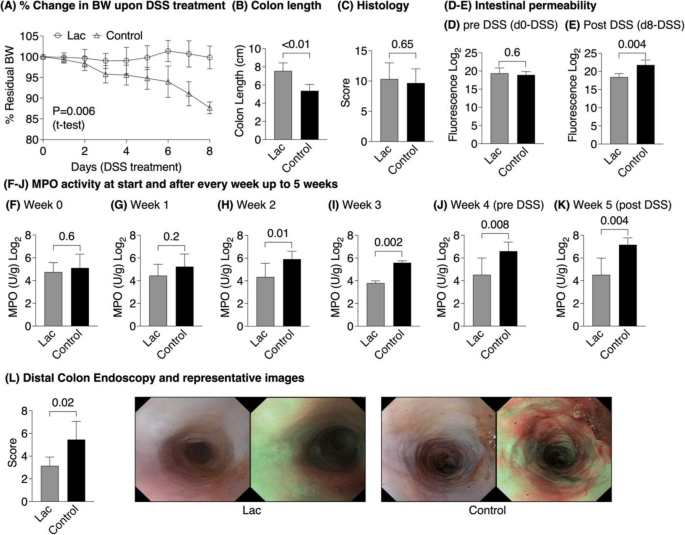
The study suggests a probiotic strain (Lactobacillus plantarum) reduced inflammation and prolonged remission in multiple mouse models of Crohn’s-like disease, indicating microbiome-based approaches might be promising to...
The study links changes in gut microbes and microbial functions with disease activity in children with IBD, suggesting the microbiome may play a role in recovery and could be a target to help sustain remission.
Identifying simple features at diagnosis that predict a disabling 5‑year course could help patients and clinicians plan monitoring and treatment intensity earlier after Crohn’s diagnosis.