The study links changes in gut microbes and microbial functions with disease activity in children with IBD, suggesting the microbiome may play a role in recovery and could be a target to help sustain remission.
Who Should Pay Attention
Pediatric patients and caregivers, pediatric IBD clinicians, and microbiome researchers.
Study Snapshot
Story typeResearch paper
Evidence typeResearch paper
Source depthJournal abstract
What To Know
This paper describes intra-individual microbiome shifts between active disease and remission in seven children (five with Crohn's, two with ulcerative colitis).
Remission samples showed more of several taxa often considered beneficial (for example, Bifidobacterium spp., Faecalibacterium prausnitzii, Anaerostipes hadrus) and functional genes linked to metabolic and biosynthetic pathways; flare samples had higher Klebsiella pneumoniae.
The authors suggest these changes could support barrier integrity and tissue repair and discuss targeted microbiome modulation as a possible strategy to help maintain remission. The findings are preliminary and from a small pilot cohort at a single center in Singapore.
They illustrate biological signals that merit validation in larger, multi-center pediatric studies before changing clinical care.
Keep In Mind
Small single-center pilot study (n=7 paired samples). Findings are exploratory and require validation before clinical application. Summary is grounded in the article abstract.
Source Details
Review the original publication for the complete reporting, methods, and context.
This Cure8 brief is based on source text from the linked article. Cure8 is informational only and is not a substitute for professional medical advice, diagnosis, or treatment.
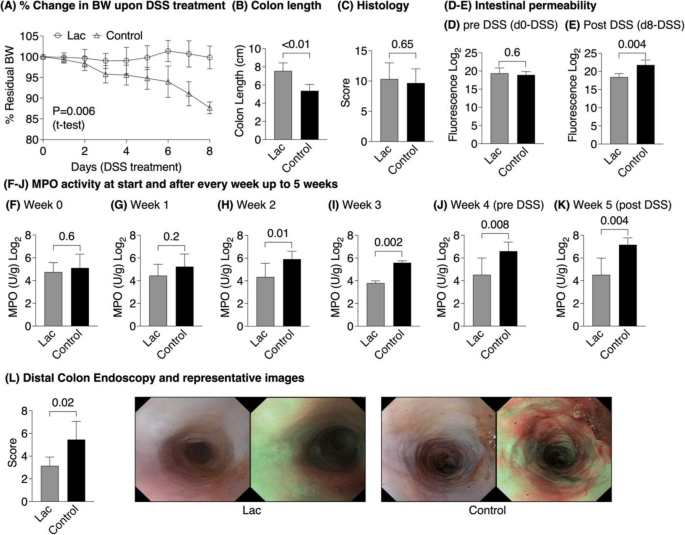
The study suggests a probiotic strain (Lactobacillus plantarum) reduced inflammation and prolonged remission in multiple mouse models of Crohn’s-like disease, indicating microbiome-based approaches might be promising to...
The study suggests vitamin D might help the immune system tolerate gut bacteria better and lower intestinal inflammation, which could mean fewer symptoms or flares for people with Crohn’s disease or ulcerative colitis.
This study suggests a Crohn's genetic risk factor can change pregnancy-related gut microbiome shifts and increase inflammatory signals in mice — which could help researchers look for microbial biomarkers that predict...