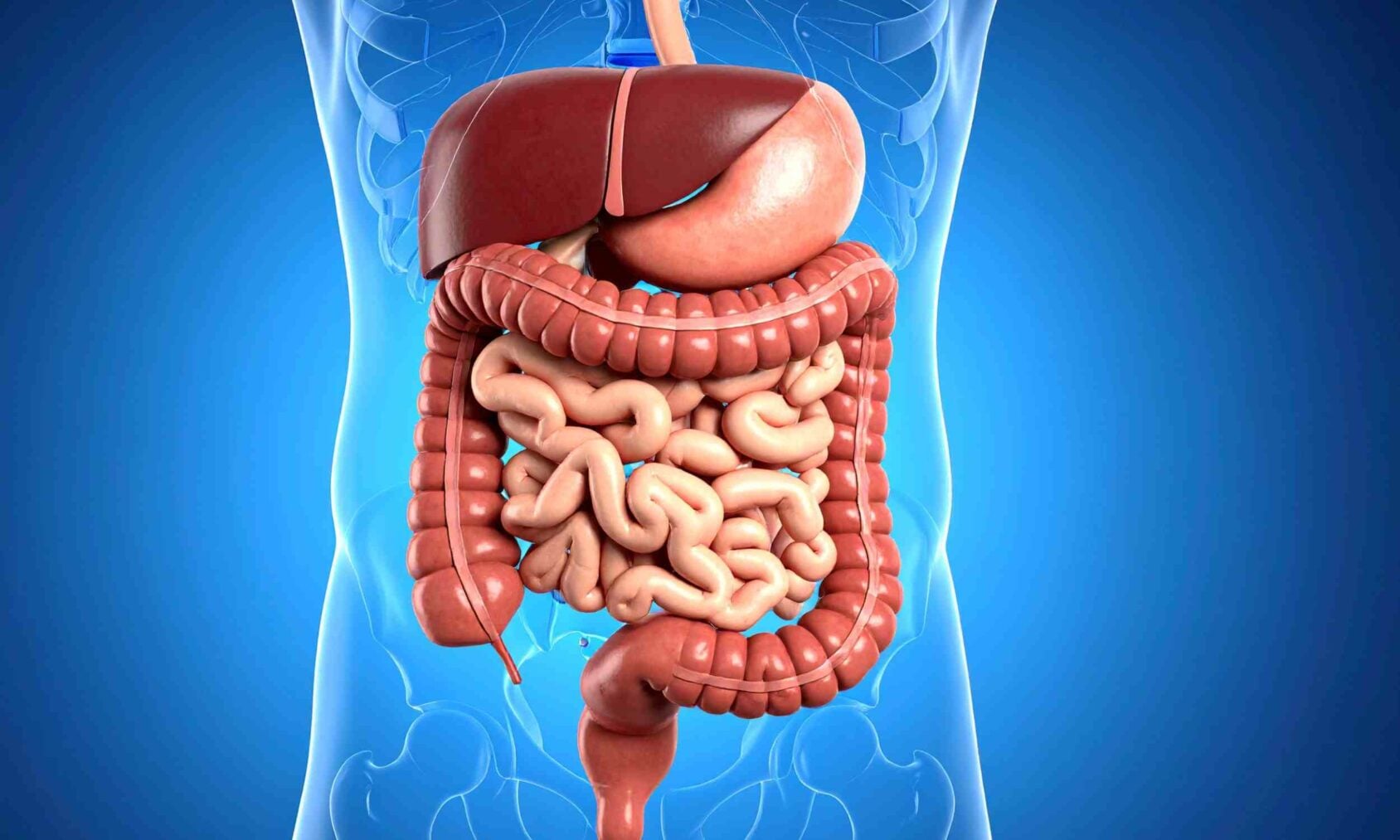
This study suggests a Crohn's genetic risk factor can change pregnancy-related gut microbiome shifts and increase inflammatory signals in mice — which could help researchers look for microbial biomarkers that predict postpartum flares in people with IBD.
Who Should Pay Attention
Pregnant patients with IBD or planning pregnancy, parents/caregivers, gastroenterologists and clinicians who care for pregnant patients with IBD, and researchers studying the microbiome, pregnancy, or IBD genetics.
Study Snapshot
Story typeResearch news
Evidence typePreclinical animal study
Source depthFull source text
What To Know
A new mouse study reports that turning off a Crohn's disease risk gene (Atg16l1) in intestinal cells changed how the gut microbiome shifted during pregnancy and lactation compared with control mice. Mice with the genetic change had microbiome differences linked to pro-inflammatory metabolic activity, showed more gut inflammation, and had smaller offspring.
The researchers and article emphasize that these are animal-model findings and are not directly transferable to people. The team is running an observational human study (MamaIBD) collecting blood and stool samples across pregnancy in women with and without IBD to look for similar microbiome and biomarker patterns and to study links with postpartum flares.
If further human studies support these findings, microbiome signatures during pregnancy might eventually help predict postpartum flares or guide individualized monitoring. For now, this research mainly improves understanding of how a specific genetic risk factor can influence microbiome changes in pregnancy.
Read the original source for details on the mouse model, which gene was altered (Atg16l1), and plans for the human observational study.
Keep In Mind
Findings come from a mouse model with the Atg16l1 gene switched off in intestinal cells; animal results don’t directly predict human outcomes. The authors are collecting human pregnancy samples (MamaIBD) to study whether similar microbiome patterns relate to postpartum flares. No treatment changes are implied.
Source Details
Review the original publication for the complete reporting, methods, and context.
Preclinical animal studyArticle type assigned from Cure8 classification; confirm details in the original source.
Publicationmedicalxpress.com
Indexed viaBing News
Source typeResearch news
PublishedJan 27, 2025, 1:23 PM
Content availableFull source text
This Cure8 brief is based on source text from the linked article. Cure8 is informational only and is not a substitute for professional medical advice, diagnosis, or treatment.
The study suggests vitamin D might help the immune system tolerate gut bacteria better and lower intestinal inflammation, which could mean fewer symptoms or flares for people with Crohn’s disease or ulcerative colitis.
If EBV exposure is linked to higher Crohn’s risk, it could point to new avenues for understanding who develops IBD and why. For people with Crohn’s or at risk for it, the finding helps explain ongoing research into...
Many people with Crohn’s disease continue to have symptoms even when inflammation is absent. This study suggests the gut microbiome — specifically sulfur-producing bacteria and hydrogen sulfide production — might explain...