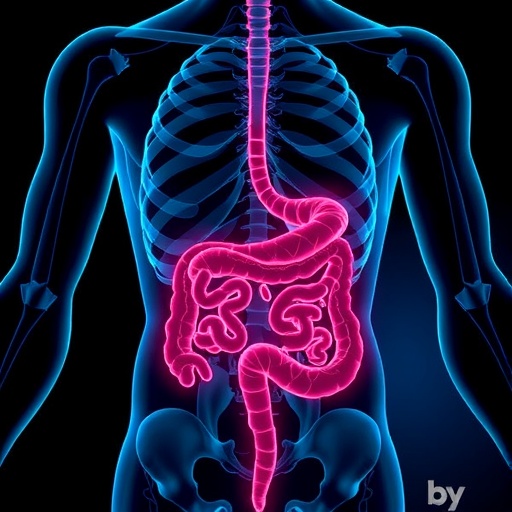
Fatigue affects more than half of people with IBD and is a leading cause of impaired quality of life. A machine-learning approach that identifies distinct patient-level patterns may help researchers and clinicians understand causes and design targeted studies or interventions.
Who Should Pay Attention
Adult patients with IBD experiencing fatigue, IBD clinicians, researchers in IBD and symptom biology, and those interested in AI applications and biomarker research.
Study Snapshot
Story typeResearch paper
Evidence typeResearch paper
Source depthJournal abstract
What To Know
The authors applied an ML framework to nearly 3,000 responses from over 2,200 participants across multiple cohorts and linked the PRO data to rich clinical metadata.
They defined a threshold for 'extreme' fatigue and used unsupervised and supervised approaches to identify patient-level patterns that underlie fatigue, with the aim of integrating molecular/biomarker data in future work. The paper presents a roadmap and proof-of-concept rather than a finalized clinical tool.
The study emphasizes patient involvement and prospective real-world PRO capture; it also notes trial registration (NCT04760964). Next steps likely include adding molecular data and external validation before any clinical application.
Keep In Mind
Structured-content depth is 'abstract' from the journal record; this brief summarizes the abstract and reported aims rather than a full article review. The work appears to be a proof-of-concept using PROs and ML; integration of molecular data and clinical translation will require further validation.
Source Details
Review the original publication for the complete reporting, methods, and context.
This Cure8 brief is based on source text from the linked article. Cure8 is informational only and is not a substitute for professional medical advice, diagnosis, or treatment.
The work points to measurable molecular and microbial patterns that may help distinguish treatable inflammation from progressive fibrosis and suggests AI could aid in building predictive tools from limited samples —...
The work aims to predict relapse and personalize herbal maintenance dosing for UC, which matters because better risk stratification and tailored management could reduce relapses and avoid unnecessary treatment changes.
These methods could help researchers and clinicians better identify which treatments are likely to work for which patients by combining trials and EHR data, accounting for multiple outcomes and missing data — relevant to...