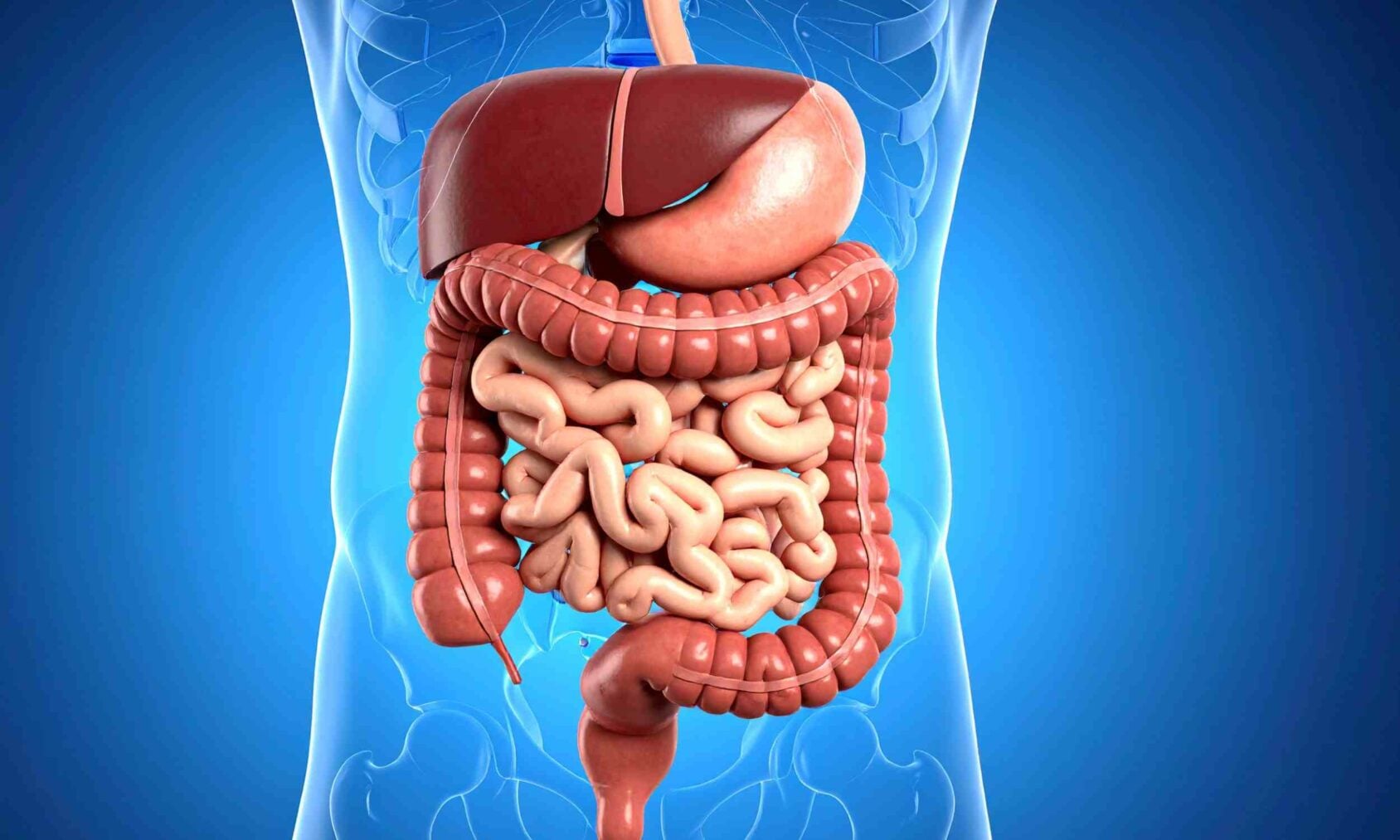
A reproducible large-animal colitis model could improve preclinical testing by better mimicking human gut anatomy and immune responses than rodent models. That may help translational research and therapy evaluation for ulcerative colitis.
Who Should Pay Attention
Researchers and translational scientists working on IBD models and preclinical drug testing; clinicians interested in model development.
Study Snapshot
Story typeResearch paper
Evidence typeResearch paper
Source depthJournal abstract
What To Know
This is a small, exploratory pilot using eight male Micropigs divided into dose groups. Authors administered graded DSS (0.2–0.8 g/kg/day for 7 days) and assessed clinical signs, colon length, endoscopy, and histopathology.
Higher DSS doses produced more severe diarrhea, reduced colon length, mucosal edema/hemorrhage on endoscopy, and histologic inflammation with crypt loss and ulceration. The study provides proof-of-concept that minipigs can develop colitis-like changes with DSS, but it is an initial feasibility experiment without therapeutic testing or long-term follow-up.
Methods and endpoints are described in the abstract; interpreting applicability to human UC or to specific drug studies will require larger, replicated studies and standardization of the model.
Keep In Mind
Pilot study with eight animals and short (7-day) DSS exposure. Results are proof-of-concept and need replication, longer follow-up, and standardization before being used routinely for therapeutic testing.
Source Details
Review the original publication for the complete reporting, methods, and context.
Research paperEvidence type derived from source or registry metadata.
PublicationTissue engineering and regenerative medicine
AuthorsHye Won Park, Woon Kyu Lee
InstitutionLaboratory of Developmental Genetics, Department of Biomedical Sciences, School of Medicine, Inha University, Rm#321, 60th memorial hall, 100 Inha-ro, Michuhol-gu, Incheon, 22212, South Korea.
Conflict statement: Declarations. Conflict of interest: The authors declare that they have no conflict of interest. Ethical approval: Animal studies were approved by the Animal Research Committee of APURES Co., Ltd., and were maintained and performed according to the guidelines of the Animal Facility (IRB File No. APURES-IACUC-201021-001).
This Cure8 brief is based on source text from the linked article. Cure8 is informational only and is not a substitute for professional medical advice, diagnosis, or treatment.
Researchers used a standard mouse colitis model to show a traditional herbal formula reduced inflammation and improved gut barrier markers, implicating the IL-33/ST2 immune pathway. This could guide future preclinical...
The study suggests vitamin D might help the immune system tolerate gut bacteria better and lower intestinal inflammation, which could mean fewer symptoms or flares for people with Crohn’s disease or ulcerative colitis.
The study suggests a new host-directed mechanism that helps a common beneficial gut bacterium (Faecalibacterium prausnitzii) colonize and protect the gut lining, and identifies heparan sulfate as a potential way to...