ClinicalTrials.gov
Cure8 trial brief
Cure8 trial brief
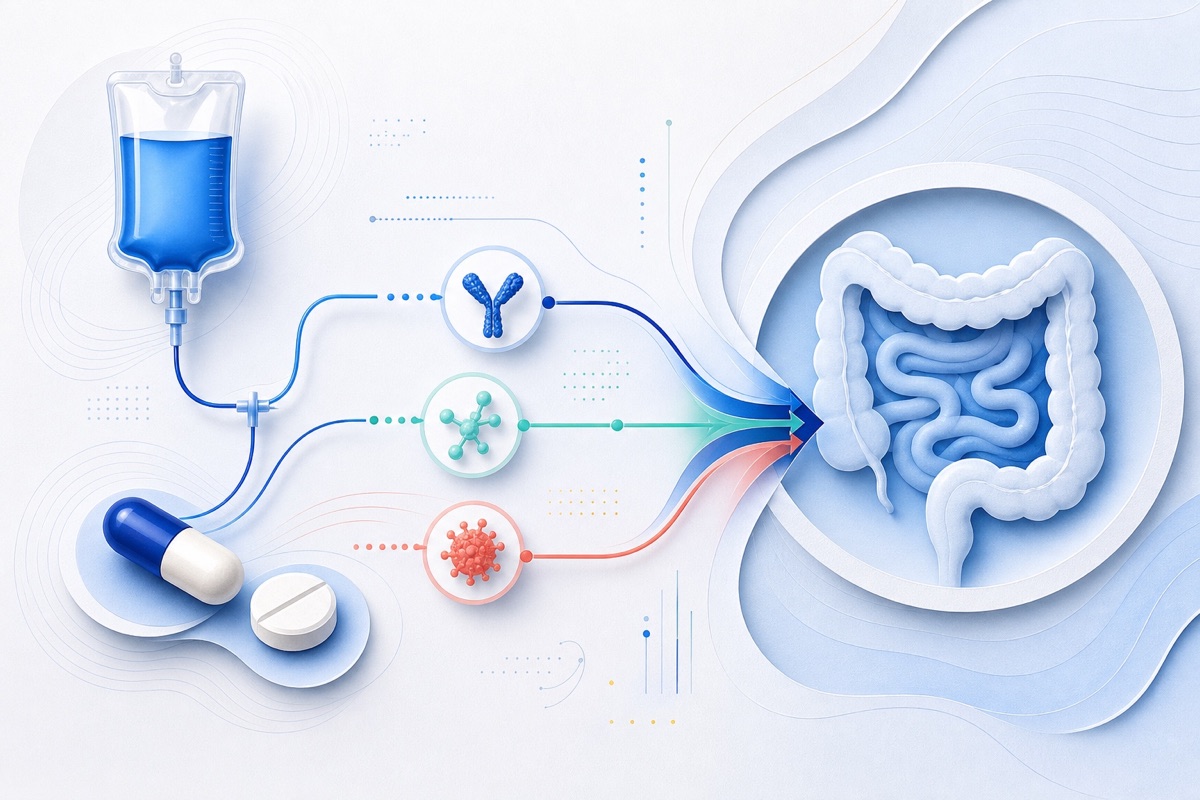
This trial is testing whether adding vedolizumab after autologous stem cell transplant can improve remission rates for people with severe Crohn's disease that has failed multiple therapies.
For patients with refractory disease and limited surgical options, investigational approaches like HCT aim to reset the immune system and then use biologic maintenance to sustain remission.
Adults with severe, treatment-refractory Crohn's disease (including those who have failed corticosteroids, immunomodulators, anti-TNF agents, anti-integrin agents, or ustekinumab), IBD clinicians considering advanced therapies, and researchers studying cellular therapies or biologic maintenance strategies.
This is a ClinicalTrials.gov record for a Phase 2 interventional study testing autologous hematopoietic stem cell transplantation (HCT) followed by maintenance vedolizumab in adults with active, treatment-refractory Crohn's disease.
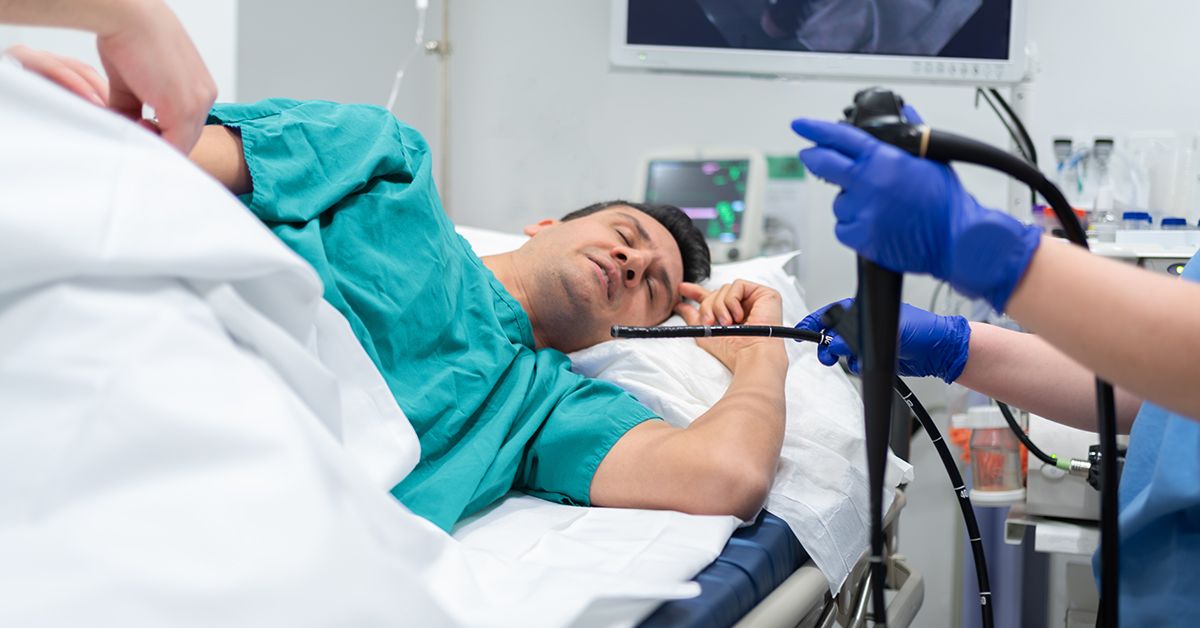
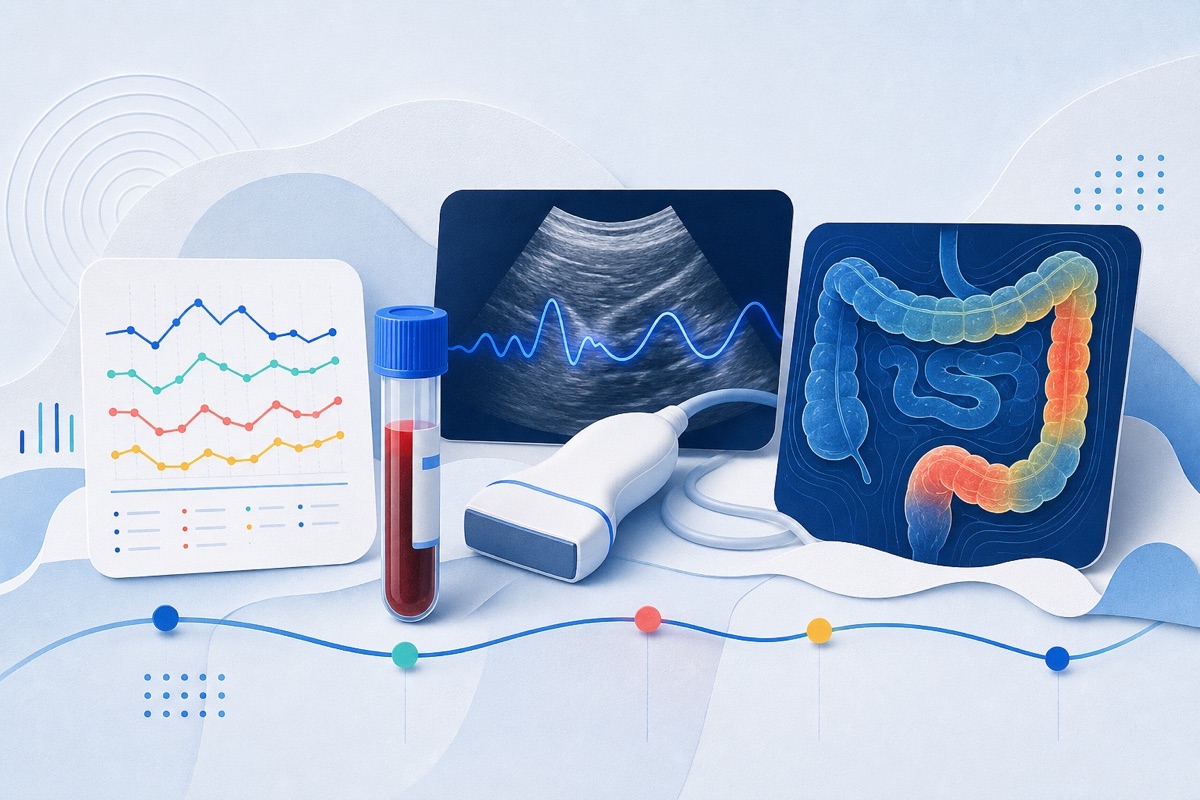
Eligible patients undergo baseline endoscopy/colonoscopic and MR/CT enterography confirmation of active mucosal disease, stem cell mobilization and collection, high-dose chemotherapy with transplant hospitalization, then vedolizumab maintenance dosing (standard 0, 2, 6 weeks then every 8 weeks) for a planned eight doses.
Primary outcomes include change in CDAI and proportion in clinical remission at 1 year post-transplant.
This is a registered Phase 2 trial (recruiting). As a trial-record summary, the description reflects the study design and planned interventions rather than results. Autologous HCT involves intensive chemotherapy, hospitalization, and important risks; eligibility requires failure of multiple prior therapies and lack of surgical options.
Participation decisions should be made with specialist consultation.
Review the original publication for the complete reporting, methods, and context.
This Cure8 brief is based on source text from the linked article. Cure8 is informational only and is not a substitute for professional medical advice, diagnosis, or treatment.
The study is comparing common biologics given after Crohn's surgery to prevent endoscopic recurrence—a key issue for people who have had bowel resection. Knowing which drugs perform better in real‑world practice could...
Biologics are a common and important treatment option for people with moderate to severe Crohn’s disease; knowing when they’re used and their potential risks helps patients discuss treatment choices with their care team.
You can have active intestinal inflammation even without clear symptoms; early monitoring and tailored treatment aim to prevent complications and preserve quality of life.