Cure8 research brief
Why This Matters
A non-invasive MRI method that correlates with histology and endoscopic scores could reduce the need for frequent colonoscopy for assessing IBD activity and help monitor treatment response, especially when endoscopy is difficult or risky.
Who Should Pay Attention
Clinicians who manage IBD (gastroenterologists, radiologists), researchers studying imaging biomarkers in IBD, and adult patients with Crohn’s disease or ulcerative colitis interested in non-invasive monitoring options.
Study Snapshot
What To Know
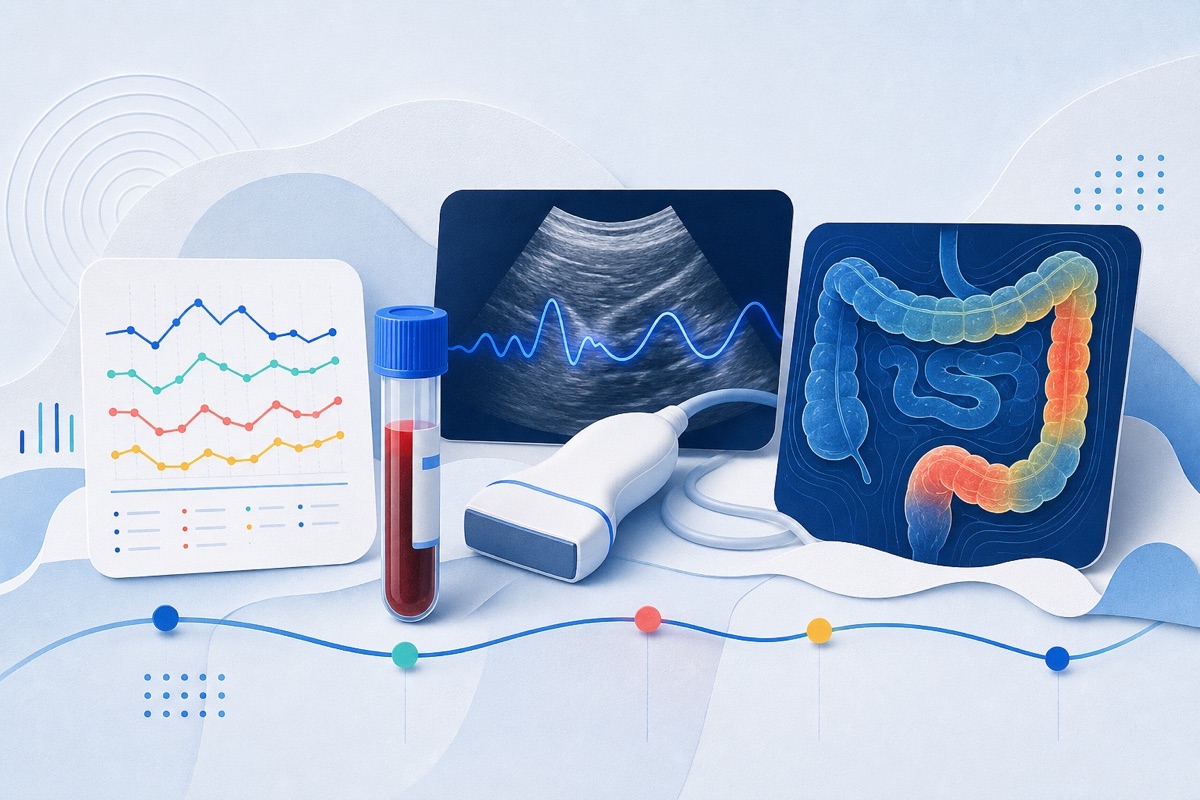
The study used a 1.5 T MRI with DWI at b = 800 s/mm2 and calculated apparent diffusion coefficient (ADC) values for diseased bowel segments. ADC values were lower with greater inflammatory activity by histology in both Crohn’s and UC, and correlated with MES in the UC subgroup.
The authors report an ROC-derived ADC cutoff that separated mild from moderate-to-severe inflammation with about 75% sensitivity and 82% specificity in this cohort.
How people might use this: The paper suggests DWI MREC could serve as a non-invasive adjunct or alternative to endoscopy for assessing and monitoring intestinal inflammation in some settings (for example when endoscopy is risky or poorly tolerated), but it does not replace clinical judgment or established protocols.
Keep In Mind
Abstract-level summary only. Study size was modest (50 patients) and from a single center; ADC cutoff and performance require validation across centers, MRI field strengths, and imaging protocols before being used routinely.
Source Details
Review the original publication for the complete reporting, methods, and context.
This Cure8 brief is based on source text from the linked article. Cure8 is informational only and is not a substitute for professional medical advice, diagnosis, or treatment.