Bifidobacterium animalis subsp. lactis ProSci-246 Protects Mice from DSS-induced Inflammatory Bowel Disease by Modulating the Intestinal Metabolite Profile in Mice.
This study shows a probiotic strain reduced inflammation and altered fecal metabolites in a standard mouse model of colitis, which is of interest because it points to microbiome-driven metabolic pathways that could be targeted in IBD research.
Who Should Pay Attention
Researchers (microbiome, probiotics), translational scientists, clinicians interested in emerging probiotic research, and informed patients curious about preclinical IBD therapies.
Study Snapshot
Story typeResearch paper
Evidence typeResearch paper
Source depthJournal abstract
What To Know
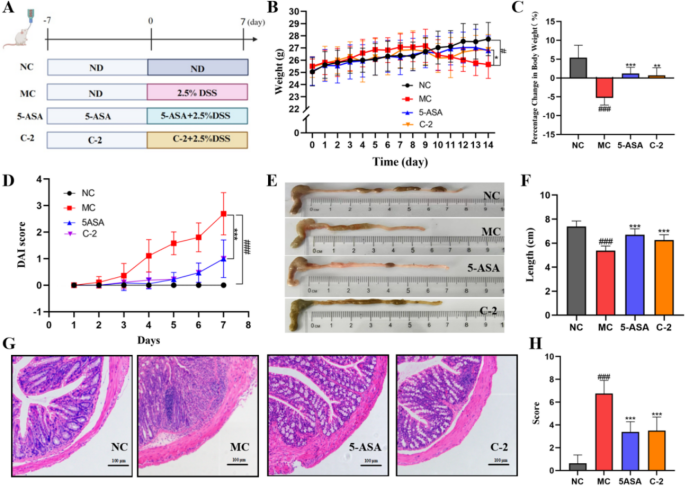
A recent animal study published in Probiotics and Antimicrobial Proteins tested a probiotic strain, Bifidobacterium animalis subsp. lactis ProSci-246, in mice with DSS-induced colitis.
The treated mice had smaller disease activity scores, better weight and colon metrics, and shifts in fecal metabolite pathways (purine metabolism, pentose phosphate, vitamin B6 pathways) compared with untreated DSS mice.
The study used a standard mouse colitis model (DSS) and measured clinical and serum inflammatory markers plus fecal metabolomics to explore how the probiotic changed intestinal metabolites. These results suggest ProSci-246 can modify metabolite profiles and reduce inflammation in this mouse model, supporting further preclinical work.
This is not evidence of benefit in people; human trials would be needed to assess safety and efficacy.
Keep In Mind
Findings come from an animal model (DSS-induced colitis in mice) reported in a journal abstract/full-text; human safety and efficacy are not established.
Source Details
Review the original publication for the complete reporting, methods, and context.
Research paperEvidence type derived from source or registry metadata.
PublicationProbiotics and antimicrobial proteins
AuthorsWenkang Zhai, Yangbo Jiao, Huimin Chen +2 more
InstitutionKey Laboratory of Dairy Biotechnology and Engineering, Ministry of Education, College of Food Science and Engineering, Inner Mongolia Agricultural University, Hohhot, 010018, China.
Conflict statement: Declarations. Ethical Approval: This study followed the guidelines for the care and use of laboratory animals and was approved by the Laboratory Animal Welfare and Ethics Committee of Inner Mongolia Agricultural University (approval number: NND2025084). Conflicts of Interest: The authors declare no competing interests.
This Cure8 brief is based on source text from the linked article. Cure8 is informational only and is not a substitute for professional medical advice, diagnosis, or treatment.
The study suggests a probiotic strain (Lactobacillus plantarum) reduced inflammation and prolonged remission in multiple mouse models of Crohn’s-like disease, indicating microbiome-based approaches might be promising to...
The study suggests Artemisia rupestris extract can reduce inflammation, repair the intestinal barrier, and shift the gut microbiota and metabolites in a mouse colitis model — pathways that are important in IBD. These...
If probiotic strains can increase beneficial microbial metabolites that strengthen the gut barrier and reduce inflammation, they could point to new adjunctive strategies for IBD treatment.