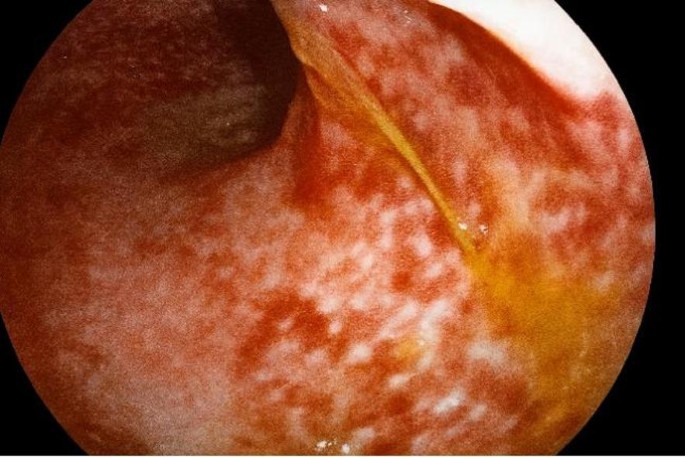
This study suggests that a confirmed Campylobacter stool infection in people with IBD was followed by higher rates of flare and need for treatment escalation within 12 months, so infected patients might need closer monitoring in the short term.
Who Should Pay Attention
Adult patients with Crohn’s disease or ulcerative colitis, gastroenterology clinicians, and researchers studying infection–IBD interactions or biomarkers of relapse.
Study Snapshot
Story typeResearch paper
Evidence typeResearch paper
Source depthJournal abstract
What To Know
This retrospective single-centre matched cohort study examined patients with established IBD who had microbiologically confirmed Campylobacter spp. in stool between 2010–2024.
After propensity-score matching to uninfected IBD controls, Campylobacter infection was associated with a shorter time to a composite adverse outcome (IBD-related hospitalization, treatment intensification, surgery, or death) over 12 months and higher rates of clinical flare and treatment escalation in subgroup analyses.
The study is exploratory: it reports associations, not proof that Campylobacter causes worse IBD outcomes. The authors note limitations including retrospective design, small event counts in subgroup analyses, potential residual confounding, and possible ascertainment bias (patients tested because of symptoms).
If you have IBD and a positive stool test for Campylobacter, clinicians may consider closer follow-up because this study found higher short-term rates of flare and treatment escalation, but management decisions should be individualized and based on clinical judgment and current guidelines.
This abstract summarizes the paper’s findings and limitations; Cure8 did not review additional unpublished data.
Keep In Mind
Retrospective, single-centre design with small subgroup event numbers limits causal inference. The comparison showing higher Campylobacter detection in IBD versus general population is descriptive and cannot prove increased infection risk. results are exploratory and need confirmation in larger, prospective studies.
Source Details
Review the original publication for the complete reporting, methods, and context.
This Cure8 brief is based on source text from the linked article. Cure8 is informational only and is not a substitute for professional medical advice, diagnosis, or treatment.
Severe ulcerative colitis can be linked to rare cardiac rhythm disturbances; recognizing bradycardia during flares may prompt appropriate evaluation and monitoring. The case signals clinicians to consider cardiac causes...
This large, population-based study suggests people with Crohn's disease have modestly higher overall mortality than matched controls and higher deaths from specific causes (colorectal cancer, renal disease, non-Hodgkin...
People with celiac disease may have higher risks for several digestive cancers and for inflammatory bowel diseases (Crohn’s and UC) according to this large French cohort study. Knowing these associations can help...