PSC can progress to cirrhosis and cholangiocarcinoma; circulating multi-omic signatures that track severity and cancer-associated changes could help explain disease biology and lead to biomarkers for risk stratification and monitoring.
Who Should Pay Attention
Researchers studying PSC and cancer risk; hepatologists and clinicians managing PSC patients; biomarker researchers.
Study Snapshot
Story typeResearch paper
Evidence typeResearch paper
Source depthJournal abstract
What To Know
This paper reports an analysis of plasma ‘multi-omics’ (proteins, metabolites, and miRNAs) measured in 33 people with primary sclerosing cholangitis (PSC) to find circulating signatures linked to disease severity and to cholangiocarcinoma (CCA).
The authors used machine-learning and network modeling to integrate data and performed pathway enrichment on features identified by both approaches.
They found multi-omic patterns associated with PSC severity, with overlaps between severe PSC and PSC-associated CCA, including immune- and epithelial-interacting proteins, bile acid and glutathione-related metabolites, and miRNAs involved in fibrosis, inflammation, extracellular matrix remodeling, and cell-cycle regulation.
In established PSC-CCA they report coordinated changes in oncogenic miRNAs, growth factor–related proteins, and depletion of certain metabolites consistent with altered detoxification and an inflammatory, pro-tumor microenvironment.
Keep In Mind
Study analyzed plasma multi-omics from 33 PSC patients; this is an abstract-level report and findings need validation in larger cohorts.
Source Details
Review the original publication for the complete reporting, methods, and context.
This Cure8 brief is based on source text from the linked article. Cure8 is informational only and is not a substitute for professional medical advice, diagnosis, or treatment.
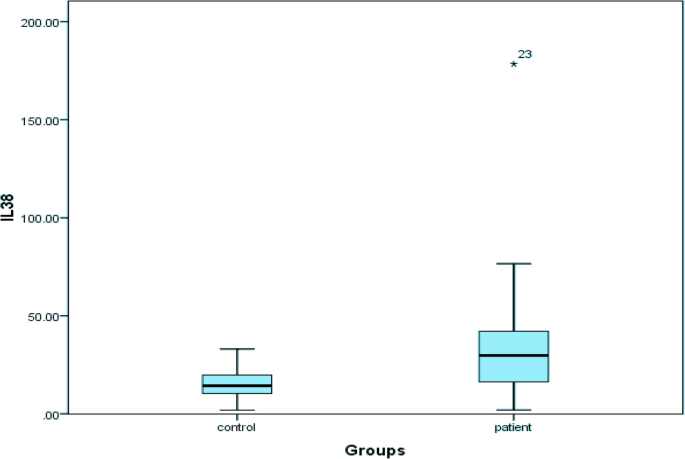
IL-38 and a genetic variant (rs7599662) were linked to ulcerative colitis in this study, suggesting a possible new biomarker or therapeutic target. If validated, this could help researchers better understand UC...
This study points to a possible microbiome biomarker (M. gnavus) tied to joint inflammation in people with Crohn’s disease, which could help explain why some patients develop arthritis and might eventually inform...
The study identifies colonic gene-expression programs that correlate with treatment failure, higher surgery rates, and perianal disease in Crohn’s — findings that could guide future prognostic tests and targeted...