Cure8 research brief
Why This Matters
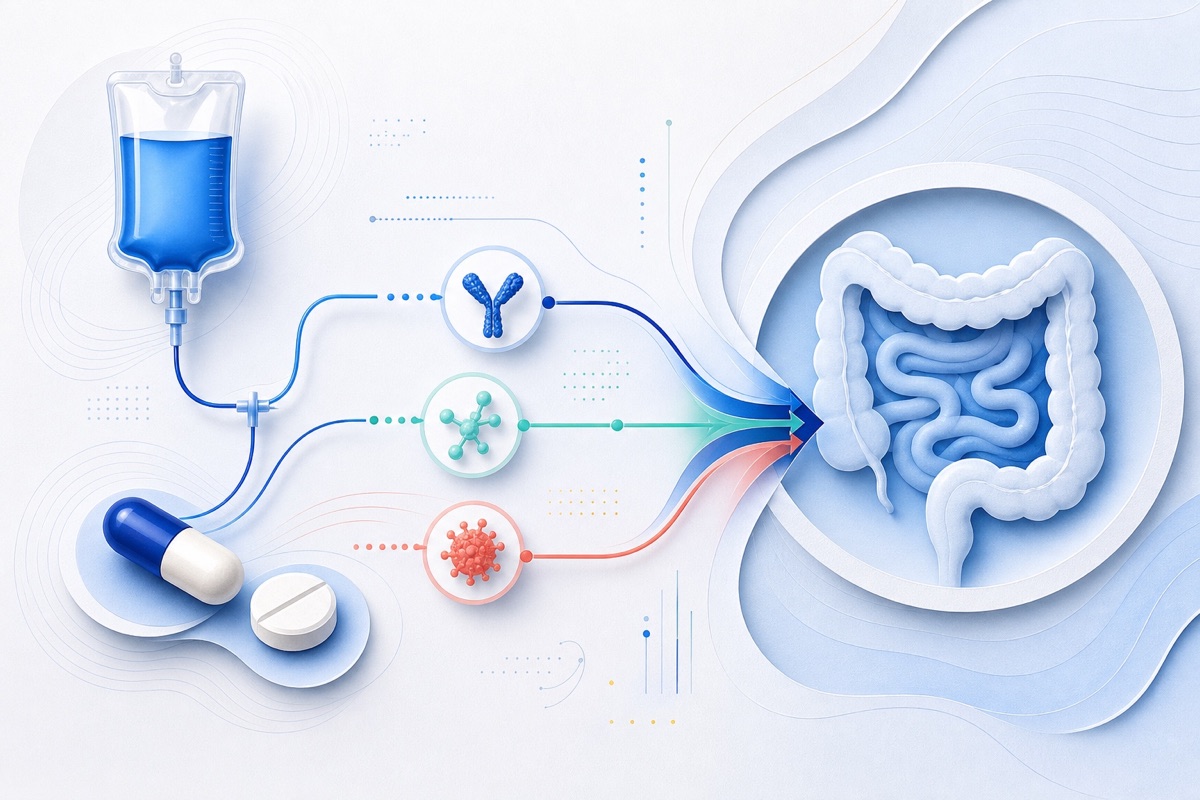
People receiving immune checkpoint inhibitors who develop colitis may face different risks of needing stronger immunosuppression depending on the ICI drug class. Understanding which features predict escalation could affect monitoring and treatment decisions.
Who Should Pay Attention
Oncologists, gastroenterologists, IBD clinicians, researchers studying immune-related adverse events, and patients receiving immune checkpoint inhibitors who develop colitis.
Study Snapshot
What To Know
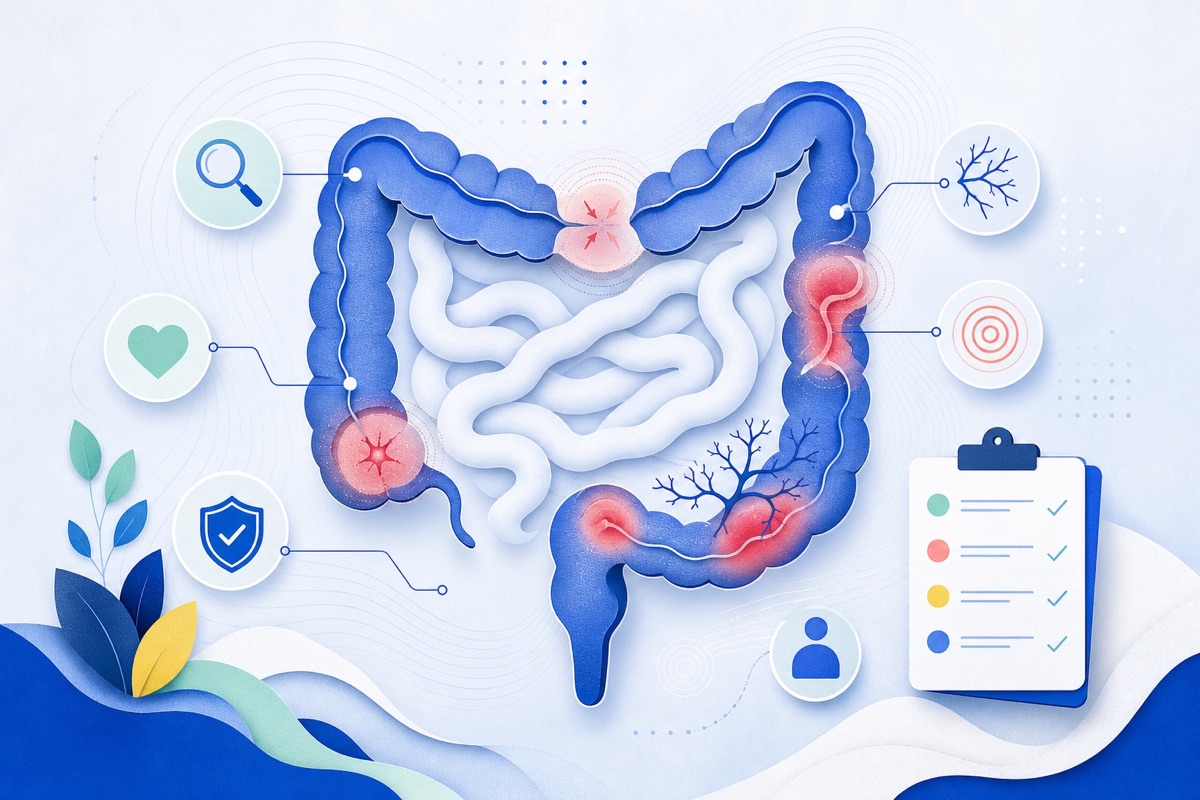
This retrospective cohort of 255 patients with biopsy-confirmed ICI colitis found that 38% required SIT. Higher CRP and lower albumin were associated with early SIT use on univariable analysis. Endoscopic erythema and exudate were associated with SIT but only among patients who received anti-CTLA-4–based ICIs.
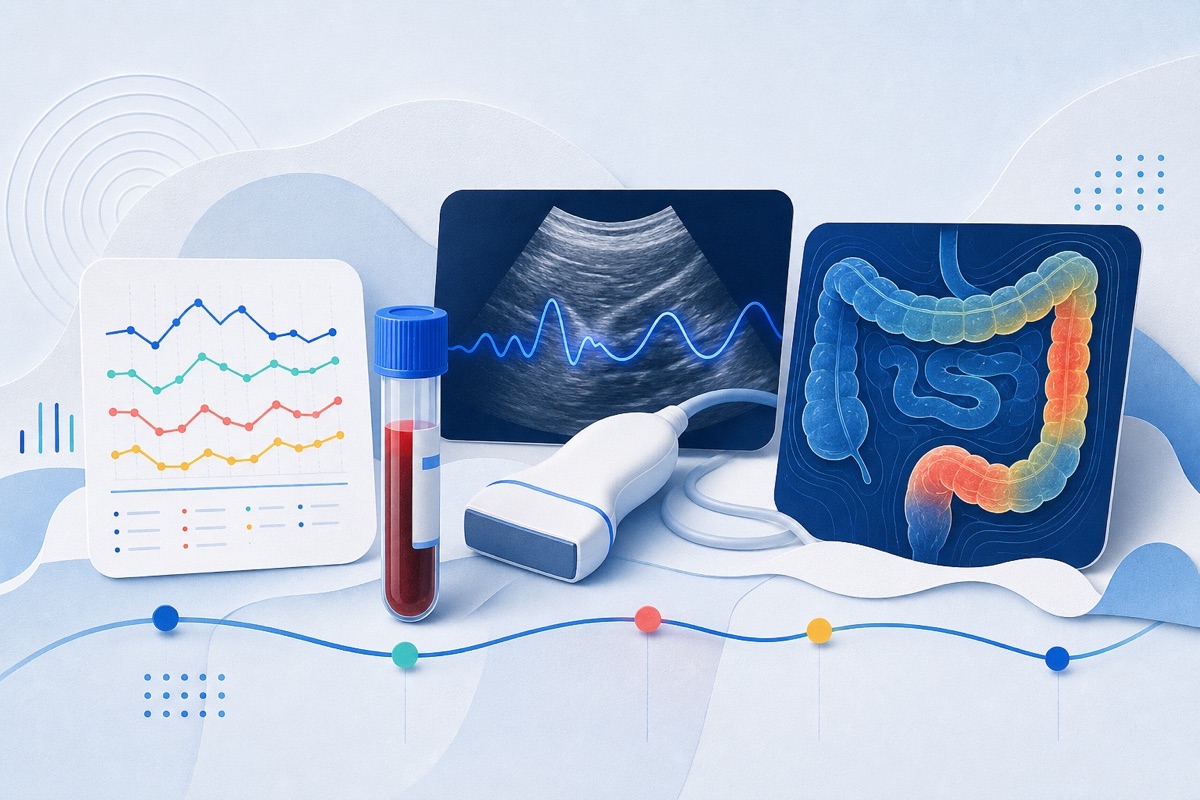
After multivariable analysis, the strongest predictor of early SIT use was ICI type rather than the examined biochemical or endoscopic features. The IMCES showed poor discriminatory performance in this external validation cohort.
Implications The findings suggest that the type of ICI a patient receives is an important factor when anticipating need for SIT, and that currently available endoscopic scoring (IMCES) may have limited predictive value across centers.
Keep In Mind
This is a retrospective, two-center cohort with abstract-level reporting; the structured content depth is the article abstract. Results reflect associations and external validation of an endoscopic score (IMCES) but do not establish causation. The study evaluated SIT use within 3 weeks as an endpoint and focused on patients with histologically confirmed ICI colitis.
Source Details
Review the original publication for the complete reporting, methods, and context.
This Cure8 brief is based on source text from the linked article. Cure8 is informational only and is not a substitute for professional medical advice, diagnosis, or treatment.