The study introduces a colon-targeted EGCG delivery system that reduced inflammation and improved microbial and metabolic markers in a mouse model of UC, suggesting a potential new therapeutic approach worth further study.
Who Should Pay Attention
Researchers studying drug delivery, microbiome-focused IBD research; clinicians interested in emerging therapies; and patients curious about future microbiome-targeted treatments.
Study Snapshot
Story typeResearch paper
Evidence typeResearch paper
Source depthJournal abstract
What To Know
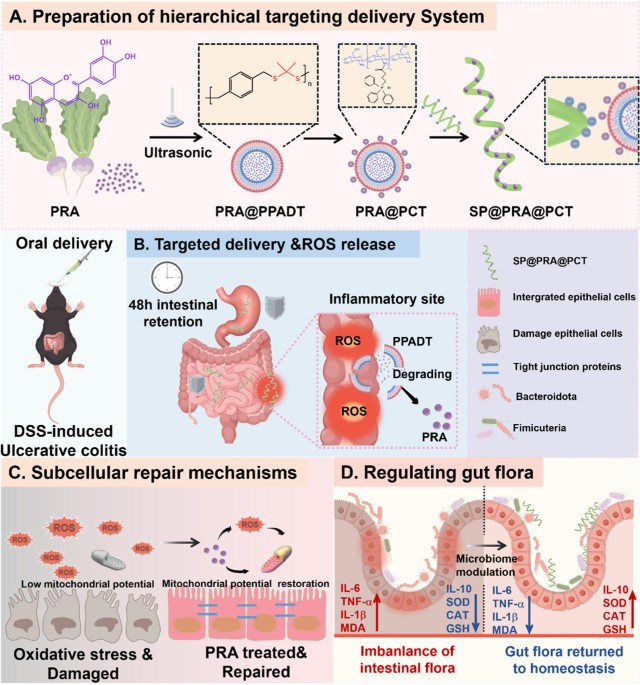
The paper reports EGCG-loaded, pH-responsive chitosan microparticles designed to protect EGCG through the stomach and release it in the colon. In cell and mouse (DSS) experiments the formulation improved epithelial barrier markers, promoted anti-inflammatory macrophage changes, reduced oxidative stress, and lessened colitis severity compared with controls.
The authors combined 16S rRNA sequencing, short-chain fatty acid profiling, and metabolomics to show shifts toward beneficial bacteria (including Akkermansia), increased acetate/propionate/butyrate, and changes in antioxidant and tryptophan-related metabolites.
The report positions this formulation as a preclinical, colon-targeted therapeutic strategy rather than a tested clinical treatment.
Keep In Mind
Preclinical (cellular and DSS mouse) findings are promising but experimental. This is not a clinical trial or evidence that the treatment is safe or effective in people.
Source Details
Review the original publication for the complete reporting, methods, and context.
Conflict statement: Declaration of competing interest The authors declare that Dr. Simmyung Yook is an Assistant Editor of the Journal of Controlled Release. Dr. Yook had no involvement in the peer review of this article and had no access to information regarding its peer review. Full responsibility for the editorial process for this manuscript was delegated to another independent editor.
This Cure8 brief is based on source text from the linked article. Cure8 is informational only and is not a substitute for professional medical advice, diagnosis, or treatment.
The study suggests acetate (sodium acetate) can protect intestinal cells and reshape the gut microbiota in preclinical models of ulcerative colitis, pointing to a potential microbiome-linked therapeutic avenue that might...
The study proposes a targeted oral delivery method that could help concentrate anti-inflammatory natural compounds at inflamed colon sites, potentially improving treatment effectiveness for ulcerative colitis while...
This study describes a novel colon-targeted microgel delivery system carrying an anti-inflammatory natural compound that, in a mouse model, reduced colitis signs and altered gut bacteria — a potential new strategy for...