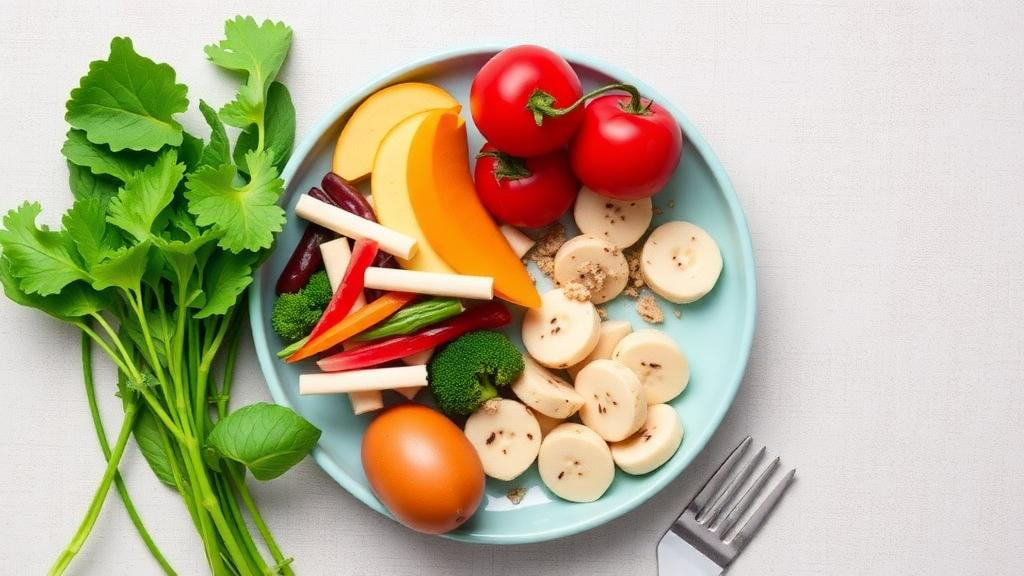
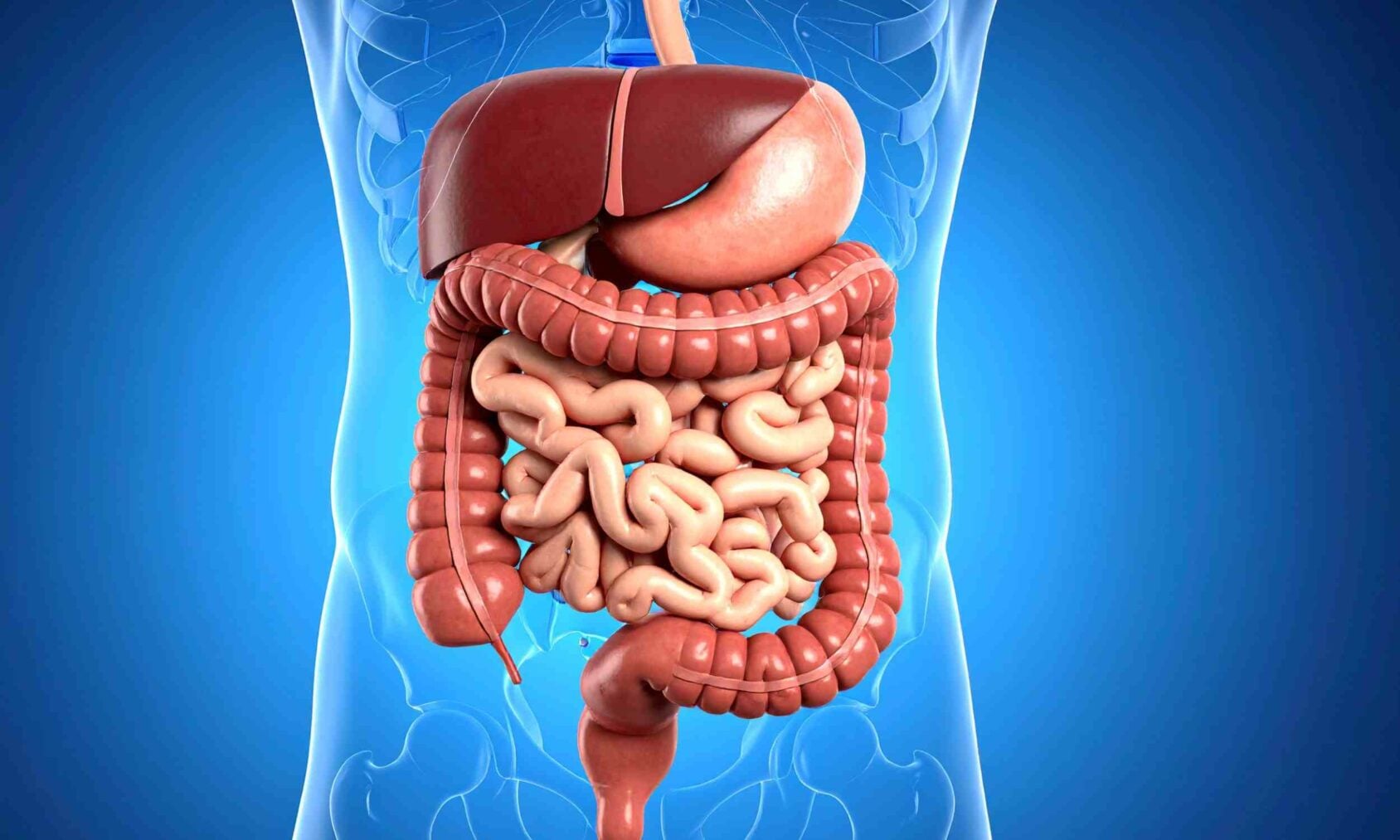
The study suggests habitual diet that supports gut microbes may modestly lower the chance of developing IBD, especially ulcerative colitis, and links dietary patterns to blood protein changes tied to immune and inflammatory pathways.
Who Should Pay Attention
Adults at risk for IBD, people interested in diet and gut health, clinicians who counsel patients on lifestyle risk factors, and researchers studying microbiome–immune interactions and biomarkers.
Study Snapshot
Story typeResearch news
Evidence typeObservational study
Source depthFull source text
What To Know
This study linked a diet pattern designed to support gut microbes (high in fiber, whole foods, fermented items; low in ultra-processed foods and excess red/processed meat) with a modestly lower incidence of IBD at the population level. The result comes from an observational cohort, not a randomized trial, so it shows association rather than proven causation.
The proteomics analysis (a subset of ~21,900 participants) identified dozens of blood proteins and pathways that track with the dietary score, offering plausible biological intermediates connecting diet, the microbiome, and intestinal inflammation.
These molecular findings are hypothesis-generating and help explain why the signal was stronger for ulcerative colitis, which is confined to the colon where microbe-derived metabolites have pronounced effects.
This research strengthens the idea that habitual diet can influence IBD risk via microbiome and immune effects, but it does not provide specific clinical recommendations or prove that changing diet will prevent IBD in individuals.
Keep In Mind
This is an observational analysis of UK Biobank participants reported in Journal of Translational Medicine; associations do not prove causation. The proteomics findings are exploratory and require further validation. The reported effect size is modest and stronger for ulcerative colitis than for Crohn’s disease.
Source Details
Review the original publication for the complete reporting, methods, and context.
Observational studyArticle type assigned from Cure8 classification; confirm details in the original source.
Publicationbioengineer.org
Indexed viaGoogle News
Source typeWeb article
PublishedOct 8, 2026, 1:21 AM
Content availableFull source text
This Cure8 brief is based on source text from the linked article. Cure8 is informational only and is not a substitute for professional medical advice, diagnosis, or treatment.
The study suggests vitamin D might help the immune system tolerate gut bacteria better and lower intestinal inflammation, which could mean fewer symptoms or flares for people with Crohn’s disease or ulcerative colitis.
Patients and clinicians often seek adjunctive options to improve symptoms, quality of life, or reduce treatment burden. This trial tests whether Bacillus spore probiotics added to standard care can provide measurable...
If successful, this approach could lower costs and simplify storage/transport of an established IBD antibody (adalimumab) and enable oral delivery, which would be relevant to people with Crohn’s disease or ulcerative...