Frontiers in Gastroenterology
Cure8 research brief
Cure8 research brief
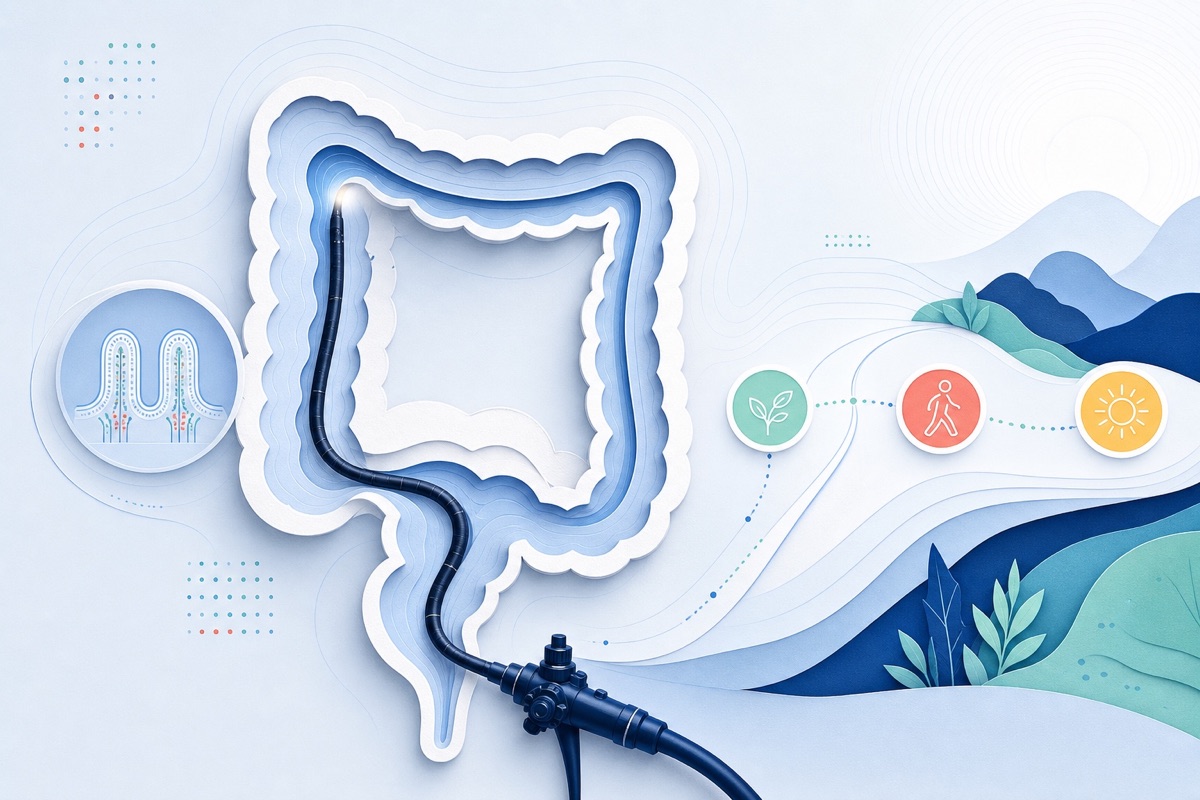
The editorial outlines treatment strategies that could affect whether a person with ASUC avoids colectomy, highlights the importance of getting adequate infliximab exposure, and summarizes emerging drug classes that may become options for severe UC.
Adult patients with severe ulcerative colitis, gastroenterologists/IBD specialists, and researchers studying biologics, JAK inhibitors, pharmacokinetics, or mucosal barrier therapies.
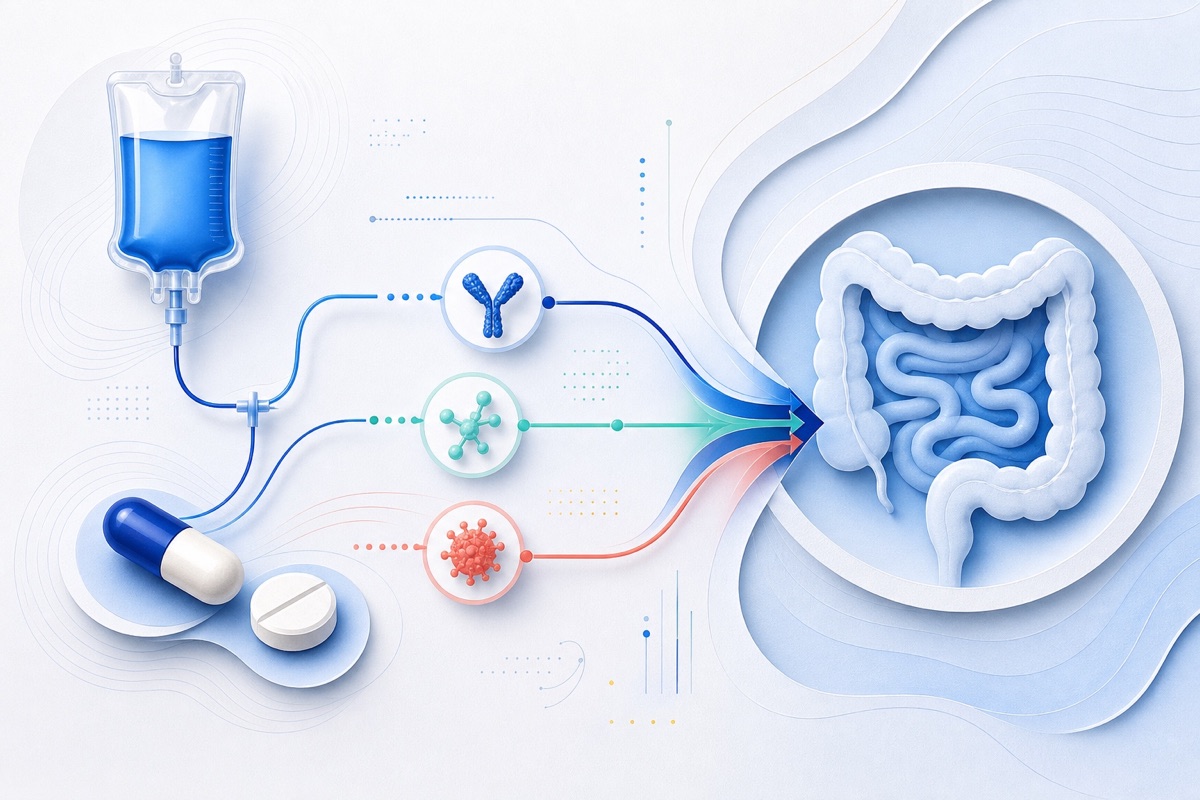
The article emphasizes that infliximab (an anti‑TNF) is widely used as first‑line rescue therapy in ASUC but that adequate drug exposure is critical — low early drug levels and high clearance predict treatment failure and colectomy.
The editorial highlights efforts to individualize infliximab dosing (pharmacokinetic modelling and dosing dashboards) and mentions trials exploring these approaches.
It also discusses JAK inhibitors as promising rapid‑acting salvage options after infliximab failure, and IL‑23 p19 inhibitors (risankizumab, guselkumab, mirikizumab) as effective in moderate–severe IBD with potential relevance for severe phenotypes.
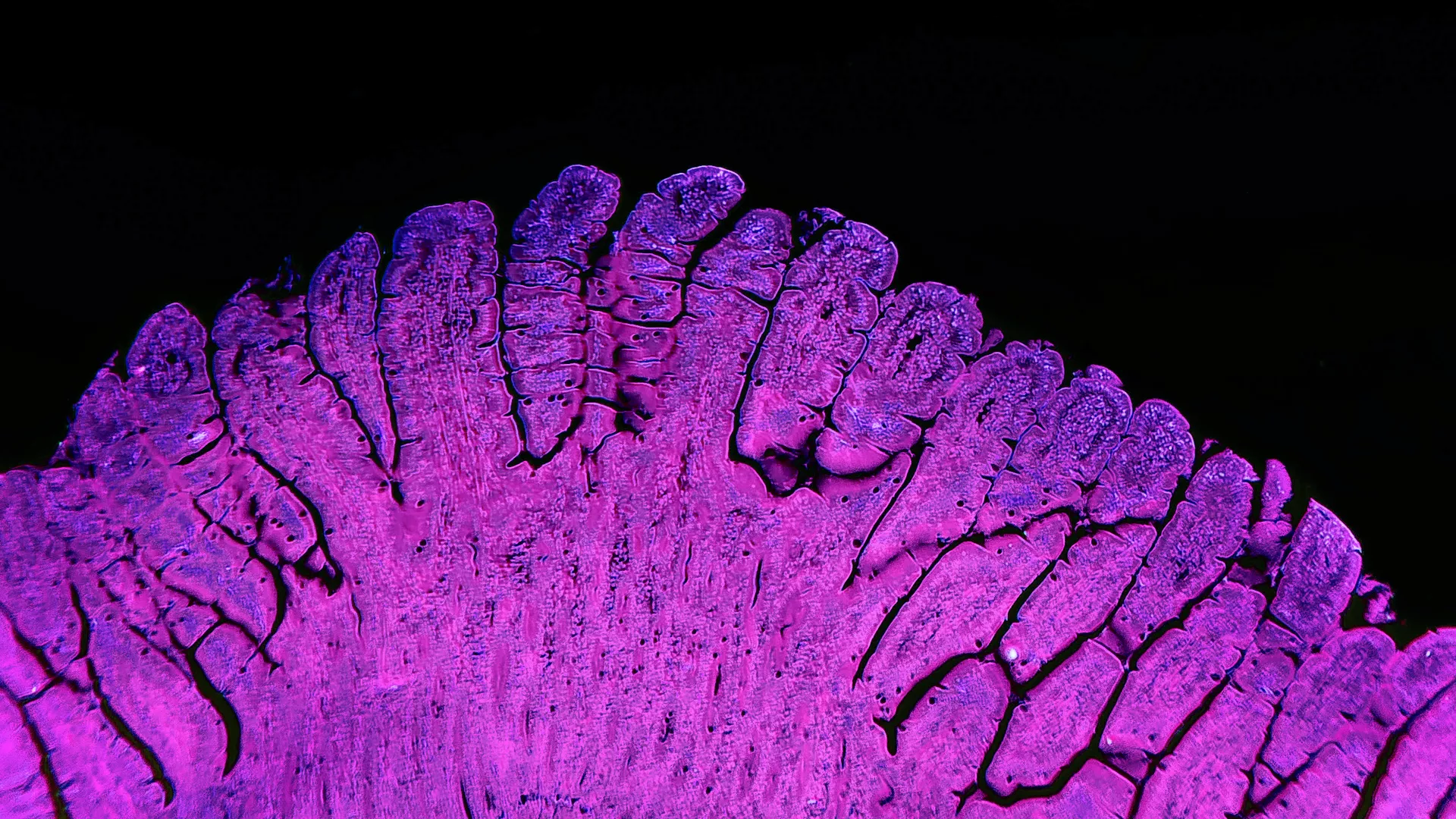
The piece reviews preclinical studies targeting epithelial barrier pathways as a complementary therapeutic strategy.
As an editorial, the article integrates existing studies, ongoing trials, and preclinical research. Some recommendations (eg, using JAK inhibitors as salvage) are proposed conceptually and lack robust ASUC‑specific randomized trial evidence.
Review the original publication for the complete reporting, methods, and context.
This Cure8 brief is based on source text from the linked article. Cure8 is informational only and is not a substitute for professional medical advice, diagnosis, or treatment.
Subcutaneous infliximab may let children on infliximab avoid regular IV infusions while keeping drug levels high and maintaining remission. Results are relevant to families and clinicians considering switching pediatric...
People with ulcerative colitis who have had colectomy can rarely develop inflammation of the small intestine and high-output stomas that are hard to control.
Fatigue is common in people with Crohn’s disease and ulcerative colitis and can persist even when standard measures say the disease is in remission. This study suggests stricter definitions of remission don’t necessarily...