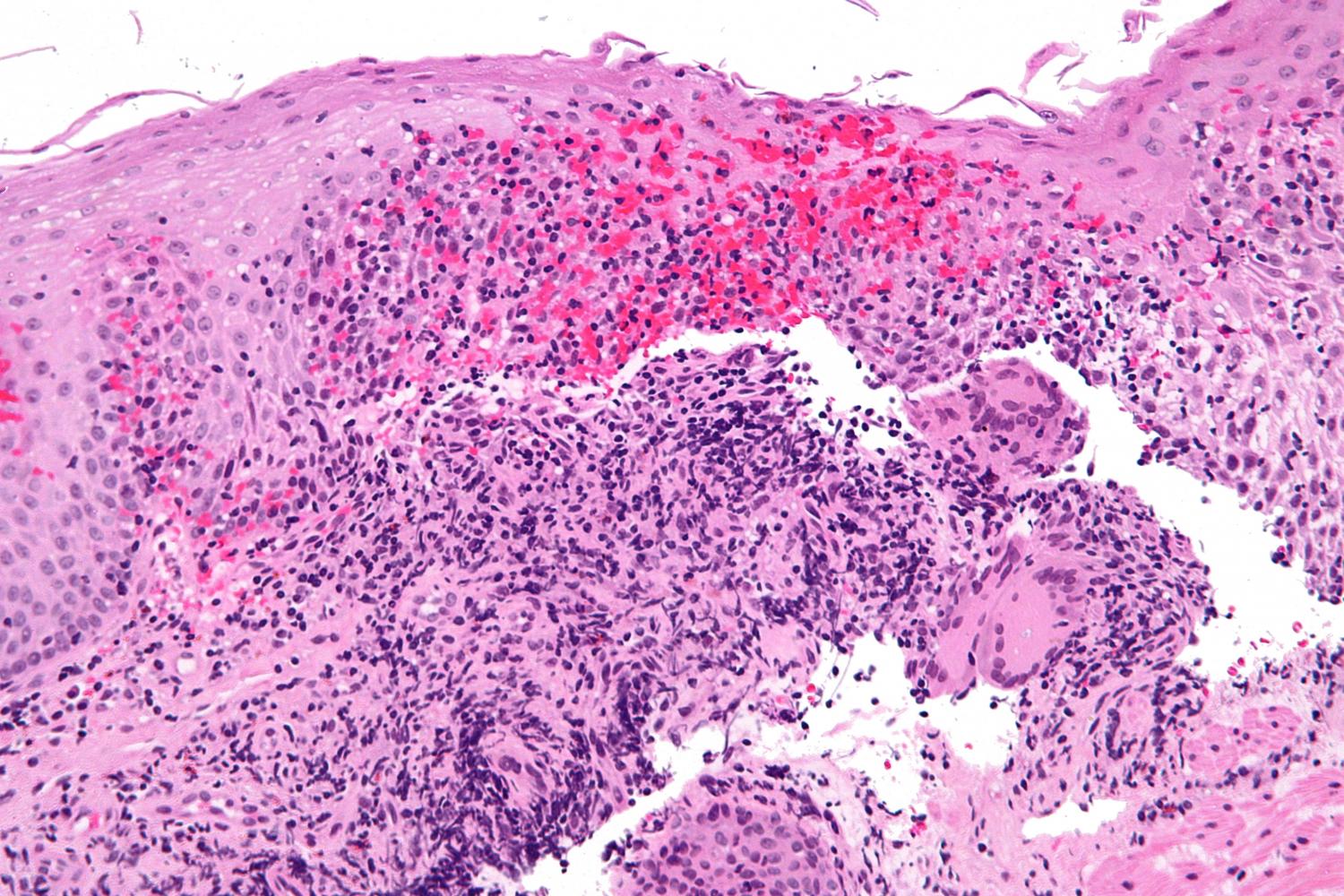
The study connects a genetic regulator (PACSIN2) and Rac1 signaling to cellular responses to mercaptopurine, a drug used in IBD, offering a possible explanation for why some patients experience thiopurine-related gut toxicity and suggesting targets for personalizing therapy.
Who Should Pay Attention
Researchers studying thiopurine pharmacogenetics or IBD drug mechanisms; clinicians interested in thiopurine side effects and pharmacogenomics; patients (including pediatric) and caregivers curious about genetic reasons for variable drug tolerance.
Study Snapshot
Story typeResearch paper
Evidence typeResearch paper
Source depthJournal abstract
What To Know
The authors used intestinal cell models to test how lowering or increasing PACSIN2 levels changes Rac1 activity, cell stiffness, cytoskeleton organization, and sensitivity to mercaptopurine.
Cells with reduced PACSIN2 showed higher Rac1 activity, weaker cytoskeletal structure, lower stiffness, and greater mercaptopurine sensitivity; boosting PACSIN2 had the opposite effects. Mercaptopurine itself reduced Rac1 activity and cell stiffness across cell lines.
These results provide a molecular rationale linking PACSIN2 variation to thiopurine-related gastrointestinal toxicity reported in patients, but the work is preclinical (cell models) and does not by itself establish clinical effects, dosing changes, or safety guidance.
Keep In Mind
Results come from in vitro intestinal cell experiments (laboratory models). They support mechanistic links but do not provide clinical outcome data or immediate changes to treatment. Further work in patient samples or clinical trials is needed to translate this into practice.
Source Details
Review the original publication for the complete reporting, methods, and context.
This Cure8 brief is based on source text from the linked article. Cure8 is informational only and is not a substitute for professional medical advice, diagnosis, or treatment.
This study suggests a common genetic marker (HLA‑DQA1*05) may help explain why some children stop responding to anti‑TNF drugs and could eventually guide who might benefit from adding methotrexate or closer monitoring.
Pediatric-onset IBD can behave differently than adult-onset disease. Comparing conventional versus biologic approaches in children may help clarify relative effectiveness, safety, and impacts on growth and steroid...
Researchers and clinicians are increasingly studying combinations of IBD drugs because single‑drug remission rates have plateaued; dual therapy may improve outcomes for patients who have failed prior treatments.