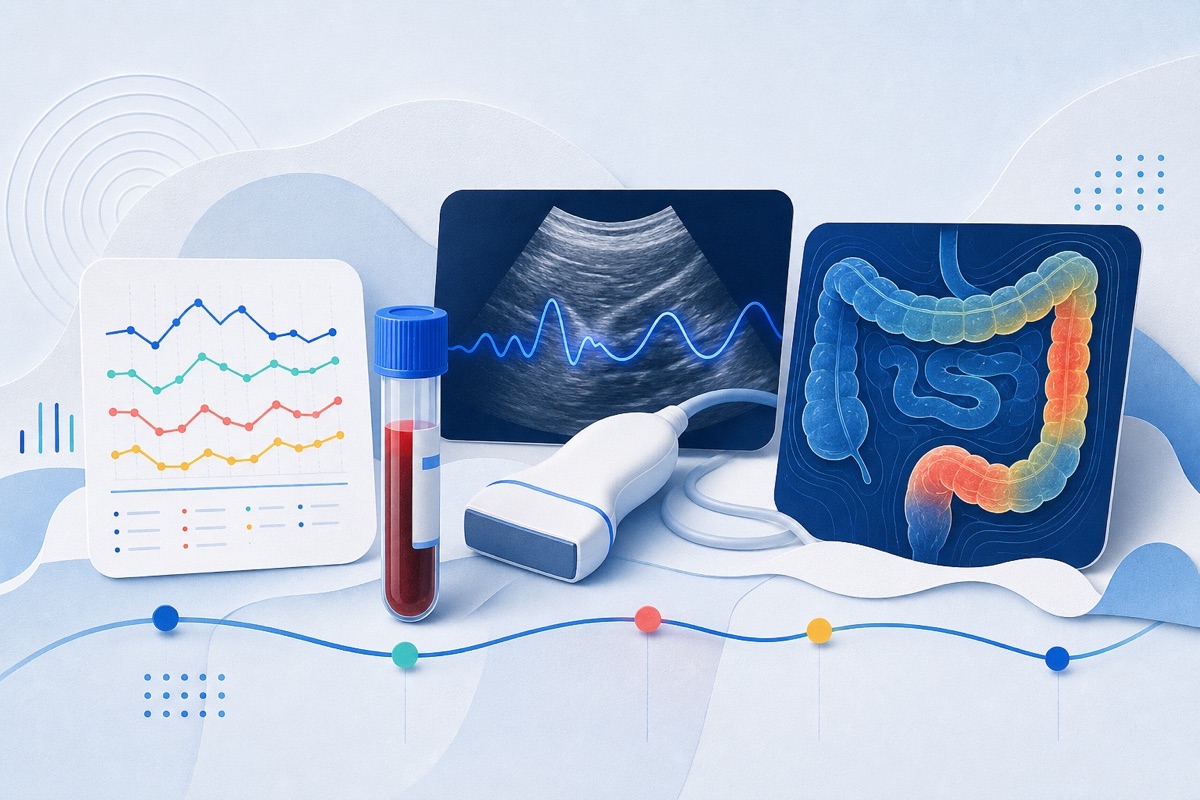
The study suggests that higher levels of objectively measured moderate-to-vigorous physical activity are associated with lower risk of developing ulcerative colitis, and that people may gain similar associations whether they exercise regularly or concentrate activity on weekends.
Who Should Pay Attention
Adults at risk for ulcerative colitis, patients and caregivers interested in lifestyle prevention strategies, clinicians advising on preventive health, and researchers studying IBD risk factors or physical activity measurement.
Study Snapshot
Story typeResearch paper
Evidence typeResearch paper
Source depthJournal abstract
What To Know
The study followed >95,000 adults without IBD who had valid accelerometer data and used machine learning to classify sedentary time, light physical activity, and MVPA.
Participants in the highest MVPA quartiles had lower multivariable-adjusted hazard ratios for incident UC; both regular MVPA and weekend-warrior patterns showed protective associations across subgroup and sensitivity analyses. The analysis is observational, so it cannot prove that exercise prevents UC.
Confounding (unmeasured lifestyle or health differences) and reverse causation are possible despite adjustments and sensitivity checks. The reported findings come from UK Biobank participants and may not generalize to all populations.
If you’re thinking about activity changes, discuss personal plans with your clinician — this study suggests MVPA is associated with lower UC risk but does not provide clinical recommendations.
Keep In Mind
This is an observational cohort analysis using accelerometer measurements and machine-learning classification; it cannot establish causation. Results are based on UK Biobank participants and should be interpreted with consideration of potential confounding and generalizability limits.
Source Details
Review the original publication for the complete reporting, methods, and context.
This Cure8 brief is based on source text from the linked article. Cure8 is informational only and is not a substitute for professional medical advice, diagnosis, or treatment.
Kidney dysfunction can occur in people with IBD and may be under-recognized. A validated prediction model could help clinicians identify IBD patients at higher risk and prompt earlier monitoring or interventions.
People with UC often seek dietary strategies to help manage inflammation; this study uses AI and docking to prioritize polyphenols and foods for future testing, which could guide research and eventually inform dietary...