Machine Learning-Based Prediction of Treatment Response to Vitamin D3 in Adolescents and Young Adults with Inflammatory Bowel Disease: A Prospective, Open-Label, Alternation-Based Comparative Study
Vitamin D supplementation is commonly considered in people with IBD because deficiency is frequent and low vitamin D may relate to inflammation.
This study suggests a higher daily dose (2000 IU) was associated with better remission rates and lower inflammatory markers in adolescents and young adults with IBD, which may be of interest to patients and caregivers.
Who Should Pay Attention
Adolescents and young adults with IBD, parents and caregivers of teens with IBD, pediatric IBD clinicians, and researchers studying nutritional interventions or machine-learning biomarkers in IBD.
Study Snapshot
Story typeResearch paper
Evidence typeResearch paper
Source depthJournal abstract
What To Know
This paper reports a single-center, prospective, open-label study in adolescents and young adults (15–25 years) with IBD testing two doses of vitamin D3 (cholecalciferol 1000 IU/day vs 2000 IU/day) given for 6 months alongside standard care.
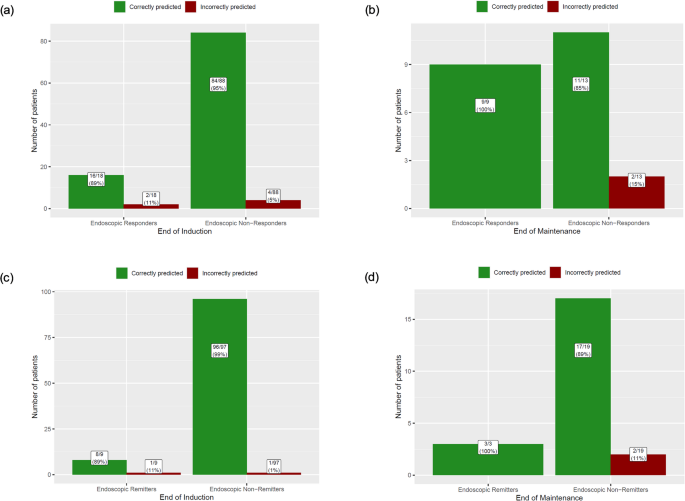
The authors measured clinical remission, C-reactive protein and fecal calprotectin, and used machine-learning models to predict inflammatory indicators; they report higher remission rates and lower inflammatory markers with 2000 IU/day and machine-learning recall values above 72%.
The study appears to be an exploratory clinical study combining a supplementation comparison with predictive modeling. It is not a randomized, double-blind trial; it is unicentric and open-label, which can introduce bias.
The machine-learning results are reported for model performance (e.g., Random Forest recall 82.5%) rather than as clinical outcomes themselves. If you are considering vitamin D supplementation or interpreting these findings for care, discuss dose changes with your clinician — this study alone does not establish a practice-changing standard.
Keep In Mind
Structured-content depth: abstract — the Cure8 brief is grounded in the article abstract and reported study design. This is a single-center, open-label comparative study (not double-blind or multi-center). Machine-learning model performance is reported but does not replace clinical trial evidence.
The findings should be interpreted cautiously and discussed with a treating clinician before changing treatment or supplement regimens.
Source Details
Review the original publication for the complete reporting, methods, and context.
This Cure8 brief is based on source text from the linked article. Cure8 is informational only and is not a substitute for professional medical advice, diagnosis, or treatment.
Understanding and quantifying placebo-driven endoscopic changes can improve design and interpretation of Crohn’s disease trials, which may ultimately speed development of effective therapies and clarify who benefits from...
New oral TYK2 inhibitor data show promise on endoscopic healing and inflammatory markers in Crohn’s disease, which is important because oral treatment options are limited. However, the trial missed its main symptom-based...
The article explains how gut bacteria may contribute to IBD and summarizes common tests and treatments people are likely to encounter. It highlights emerging microbial therapies (probiotics and FMT) that some patients...