
medicaldaily.com
Cure8 news brief
Cure8 news brief
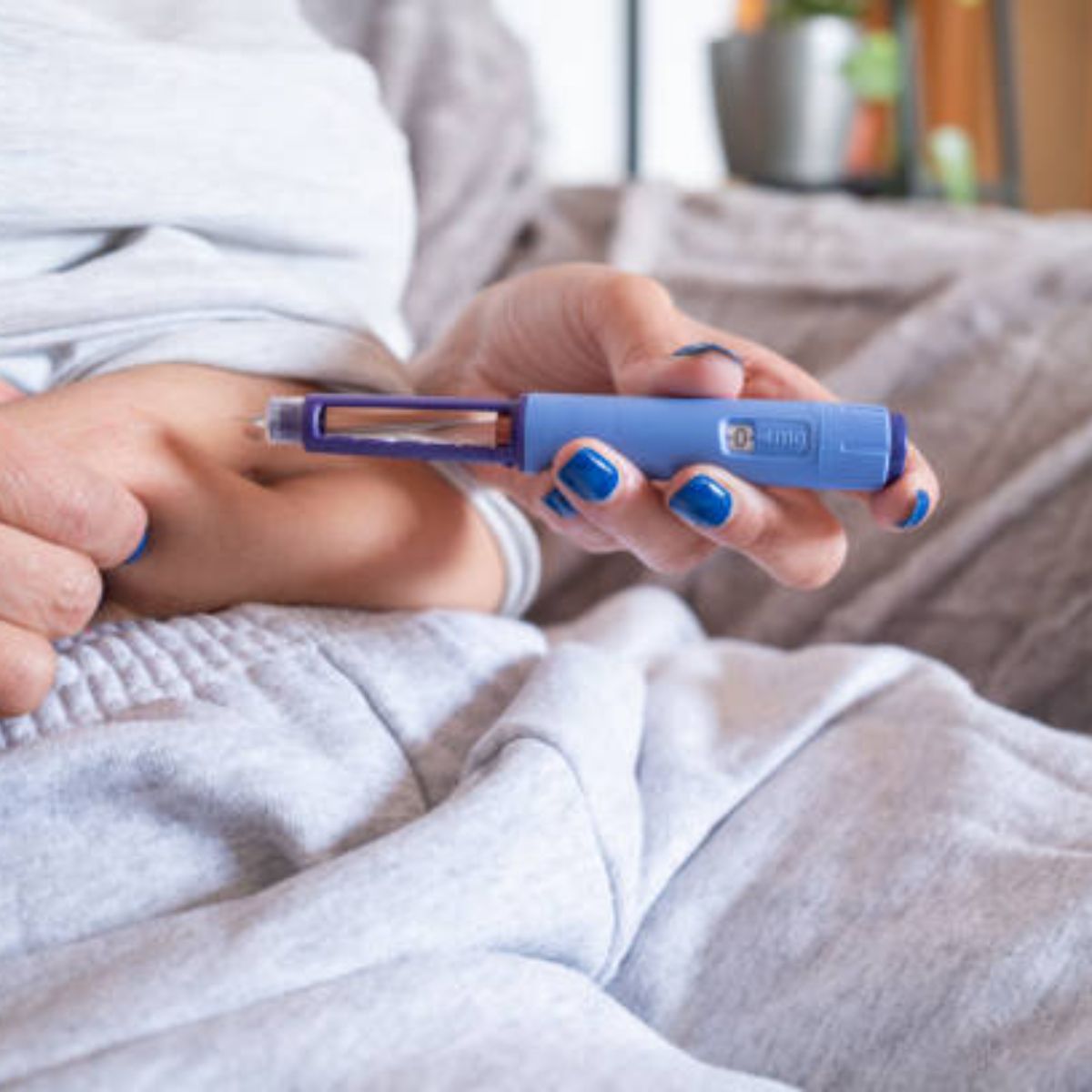
If you have IBD and are taking or considering a GLP‑1 drug for obesity or diabetes, this large claims-based study did not find that those drugs lowered the risk of IBD relapse — so they shouldn’t be expected to improve IBD control based on current evidence.
The study also did not find increased short-term safety risks after starting GLP‑1s in people with stable disease.
Adults with Crohn’s disease or ulcerative colitis using or considering GLP‑1 drugs for weight loss or diabetes; gastroenterologists, primary care providers managing metabolic comorbidity; researchers studying metabolic therapies in IBD.
This study suggests that, based on claims-data analysis, clinicians and patients should not expect GLP‑1 drugs to reduce IBD relapse risk when started for obesity or diabetes. It does not address whether GLP‑1s are appropriate treatments for obesity/diabetes in people with IBD, and it is not a randomized trial.
The question remains open pending randomized controlled trials.
This is an observational analysis using US insurance claims (2018–2023) and a target‑trial emulation approach. Claims lack clinical endpoints (endoscopy, fecal‑calprotectin, disease activity scores), and medication exposure may be misclassified if patients paid out-of-pocket.
These limitations mean the finding is informative but not definitive; randomized trials would be needed to confirm effects.
Review the original publication for the complete reporting, methods, and context.
This Cure8 brief is based on source text from the linked article. Cure8 is informational only and is not a substitute for professional medical advice, diagnosis, or treatment.
A majority of surveyed IBD patients who use marijuana reported better quality of life and relief from symptoms such as nausea, joint pain, insomnia and anxiety — findings of interest to people seeking symptom management...
The study suggests vitamin D might help the immune system tolerate gut bacteria better and lower intestinal inflammation, which could mean fewer symptoms or flares for people with Crohn’s disease or ulcerative colitis.
This reports Phase 2b trial results for duvakitug showing improved remission and endoscopic response versus placebo in UC and CD—early evidence that could lead to a new treatment option if later trials confirm benefit...