Circulation research
Cure8 research brief
Cure8 research brief
People with chronic colitis/IBD have higher rates of cardiovascular disease. This mouse study identifies a gut microbiota → immune cell → cardiac pathway (TLR4–GBP1) that might explain that link and point to future prevention strategies.
Researchers, clinicians focused on IBD and cardiovascular comorbidity, and translational scientists interested in the microbiome–immune–heart axis.
This Circulation Research abstract reports a mouse study linking chronic colitis–associated gut microbiota dysbiosis to cardiac dysfunction (hypertrophy and fibrosis) through a TLR4–GBP1 pathway.
In the model, colitis drove sustained dysbiosis, increased systemic LPS, metabolic and mitochondrial changes in immune cells (particularly macrophages), and transfer of GBP1 via exosomes to cardiomyocytes; fecal microbiota transfer and bone marrow chimera experiments supported a causal role for the microbiota and hematopoietic TLR4 signaling.
The study is preclinical and performed in mice using dextran sulfate sodium to induce colitis; it used mechanistic methods (fecal microbiota transfer, immune cell depletion, RNA sequencing, siRNA, exosome studies) to trace the pathway from gut microbes to cardiac remodeling.
The authors propose GBP1 as a downstream effector that promotes mitochondrial fission and immune cell migration into the heart, and as an exosome-carried factor that can affect cardiomyocytes.
This work suggests a biological mechanism that could help explain epidemiologic links between IBD and higher cardiovascular risk, and it highlights TLR4–GBP1 and microbiota-related interventions as possible future therapeutic targets.
Preclinical (mouse) work using dextran sulfate sodium colitis model; does not prove the mechanism operates in humans. Therapeutic implications are speculative until clinical research is done.
Review the original publication for the complete reporting, methods, and context.
This Cure8 brief is based on source text from the linked article. Cure8 is informational only and is not a substitute for professional medical advice, diagnosis, or treatment.
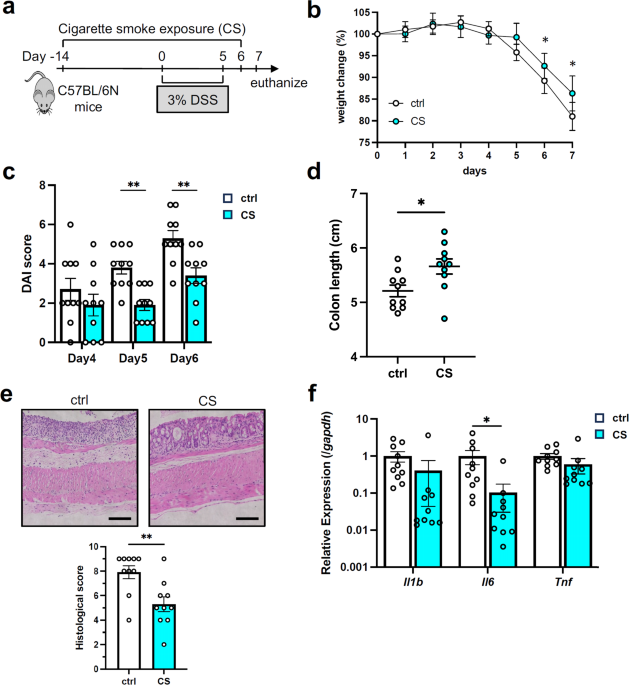
This preclinical study suggests cigarette smoke alters gut microbes and metabolites in ways that can either protect or worsen colitis depending on the model; it identifies 4-HBA as a metabolite that reduced inflammation...
The study describes a mechanism by which Huaier granules reduced colitis-related inflammation in mice and cell models by targeting macrophage cGAS–STING signaling and altering the gut microbiome—information that could...
The study suggests a specific microbial metabolite, 3‑HPA, can link cold exposure to worse colitis by changing the microbiome and harming epithelial cell mitochondria and barrier function — a possible new mechanistic...