nice.org.uk
Cure8 news brief
Information for the public
Tests and monitoring
Abdominal Pain
Fatigue
Weight Loss
Flare
Guideline
Adult patients
Parents Caregivers
Cure8 news brief
NICE’s patient summary explains care expectations for people with Crohn’s disease, emphasising shared decision-making, symptom control, and understanding treatment options — practical points that affect everyday management and quality of life.
Adults with Crohn’s disease, newly diagnosed patients, caregivers and parents, and clinicians involved in Crohn’s care.
This is NICE’s patient-facing information page summarising the NG129 guideline on Crohn’s disease: it explains what Crohn’s is, common symptoms, the long-term nature of the condition, treatment goals (control symptoms and prevent flare-ups), and recommends shared decision-making between patients and clinicians.
It also signposts Crohn’s and Colitis UK and other support organisations. The page was produced with people affected by Crohn’s and is based on the guideline evidence. The content is a plain-language summary intended for patients and caregivers and does not present new research findings.
It outlines that treatment choices should be discussed with clinicians, including benefits and side effects, and highlights using patients’ preferences when deciding management between flares.
For clinical decisions, refer to the full NG129 guideline and discuss options with your healthcare team; this patient page summarizes key points and signposts further resources.
This is a patient-facing summary of NICE guideline NG129. It does not replace clinical advice; consult the full guideline or your healthcare team for treatment decisions.
Review the original publication for the complete reporting, methods, and context.
This Cure8 brief is based on source text from the linked article. Cure8 is informational only and is not a substitute for professional medical advice, diagnosis, or treatment.
Chronic inflammation in Crohn’s, especially when the colon is affected, raises colorectal cancer risk over time. Knowing risk factors and recommended screening helps people with Crohn’s get earlier detection and...
Personal experiences with diet and lifestyle are often of interest to people living with Crohn's disease. Celebrity stories can raise awareness and encourage conversations about self-management and support.
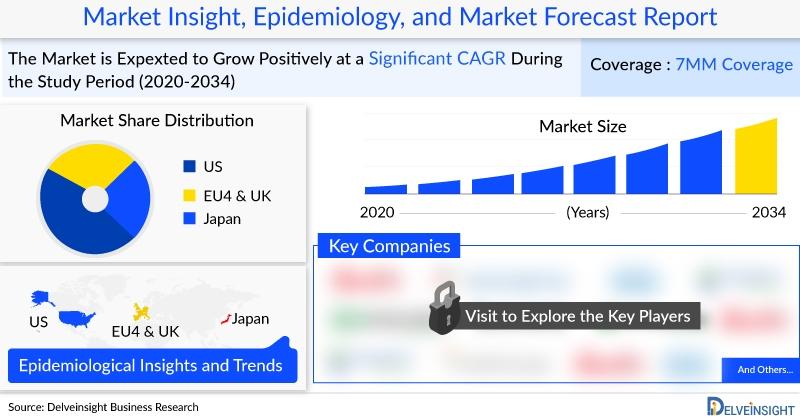
The article summarizes a commercial market report that lists current and upcoming Crohn's disease treatments, trial results, and a biosimilar approval — information patients may see reflected in treatment availability,...