This work explores a novel, programmable way to deliver anti-inflammatory protein therapy (IL-10) directly in the gut using engineered yeast and wearable electronics. If further developed and translated, it could offer a targeted, controllable approach to IBD treatment.
Who Should Pay Attention
Researchers in synthetic biology and live biotherapeutics, translational IBD researchers, and clinicians interested in emerging drug-delivery technologies.
Study Snapshot
Story typeResearch paper
Evidence typeResearch paper
Source depthJournal abstract
What To Know
The researchers engineered Pichia pastoris with a blue-light–inducible circuit to secrete IL-10 quickly after light activation and encapsulated the yeast in a photo-crosslinkable hydrogel to improve mechanical stability and intestinal retention.
A lightweight Bluetooth-controlled wearable device delivered transdermal blue light to both crosslink the hydrogel in situ and activate the yeast, producing sustained reporter expression and IL-10 delivery in mice.
In DSS-induced colitis mice the treated group showed lower proinflammatory cytokines, restoration of intestinal barrier markers, and shifts in microbiota diversity toward healthy profiles compared with controls.
The authors note a key limitation: blue light penetrates tissue poorly, and they recommend future work on near-infrared–sensitive systems, programmable hydrogel degradation, and wireless closed-loop control before clinical translation.
This is an early preclinical/engineering study in mice and demonstrates a platform technology rather than an approved therapy. It may inform future live biotherapeutics research but does not change current clinical care.
Keep In Mind
Study results are from engineered systems tested in mice (DSS colitis model). Major translational hurdles remain, including limited tissue penetration of blue light, safety and regulatory assessment of ingestible engineered microbes, and durability/controllability of the hydrogel system.
Source Details
Review the original publication for the complete reporting, methods, and context.
This Cure8 brief is based on source text from the linked article. Cure8 is informational only and is not a substitute for professional medical advice, diagnosis, or treatment.
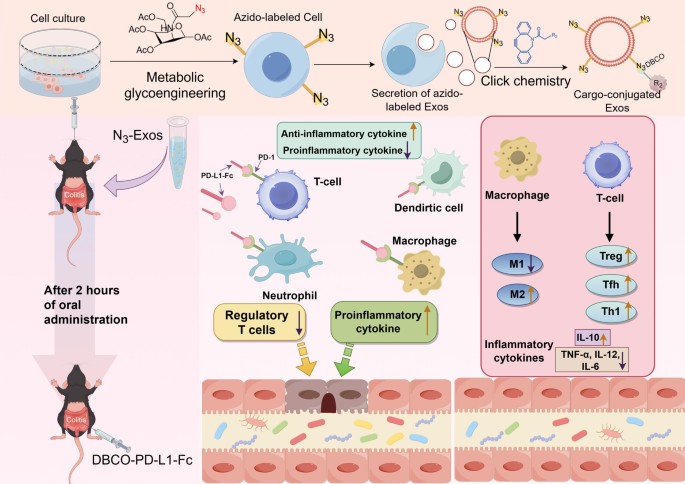
This study presents a targeted immunotherapy approach designed to concentrate an immune‑modulating protein (PD‑L1‑Fc) in the inflamed colon, which could in future reduce systemic side effects of biologic immunomodulators...
This study describes a local rectal therapy that combines mesalamine with probiotic‑derived extracellular vesicles to promote mucosal healing and reduce inflammation in ulcerative colitis models, which could point toward...
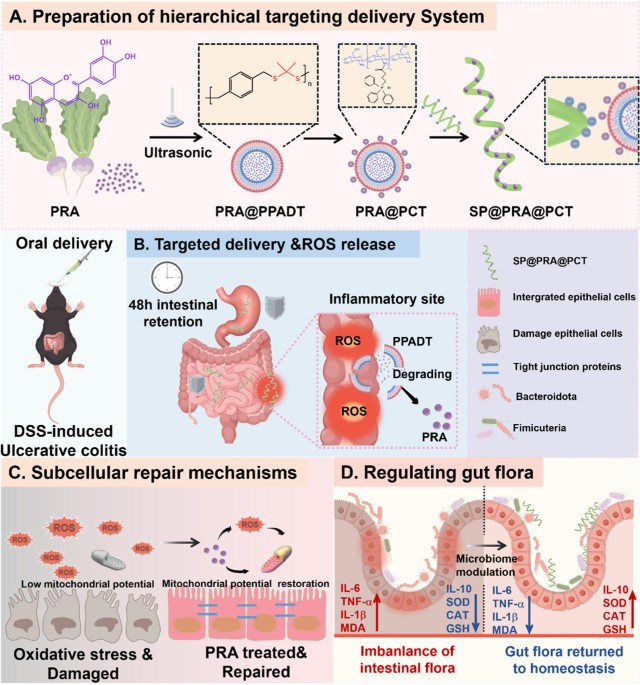
The study proposes a targeted oral delivery method that could help concentrate anti-inflammatory natural compounds at inflamed colon sites, potentially improving treatment effectiveness for ulcerative colitis while...