The study suggests a specific probiotic strain may reduce inflammation and restore gut microbiota balance in a preclinical model of ulcerative colitis, pointing to potential new therapeutic targets and probiotic candidates worth further study.
Who Should Pay Attention
Researchers (microbiome, immunology, proteomics), clinicians following probiotic research, and patients interested in experimental microbiome therapies.
Study Snapshot
Story typeResearch paper
Evidence typeResearch paper
Source depthJournal abstract
What To Know
This study (abstract) reports preclinical research testing Lactiplantibacillus plantarum BF_15, a probiotic strain, in a dextran sulfate sodium (DSS) mouse model of ulcerative colitis. Researchers gave the probiotic daily for 21 days and measured disease activity, colon length, inflammatory markers, gut microbiome composition, and proteomics changes.
The authors report that BF_15 reduced clinical disease activity scores, prevented weight loss and colon shortening, lowered pro-inflammatory cytokines (IL‑6, IL‑17A) while increasing IL‑10 and SIgA, and shifted gut microbiota composition toward higher Bacteroidetes.
Proteomic analysis identified changes in antigen presentation and processing pathways compared with a reference probiotic (LGG). The paper frames BF_15 as a potential probiotic candidate and a source of mechanistic insights rather than an established clinical therapy.
This brief is based on the article abstract provided by the journal; Cure8 did not review the full paper beyond the supplied abstract.
Keep In Mind
Based on the article abstract and animal-model data; human clinical trials would be needed to establish safety and effectiveness. Proteomic findings offer mechanistic leads but are exploratory.
Source Details
Review the original publication for the complete reporting, methods, and context.
This Cure8 brief is based on source text from the linked article. Cure8 is informational only and is not a substitute for professional medical advice, diagnosis, or treatment.
The study suggests a plant-derived AHR-activating mechanism that reduced inflammation and repaired the intestinal barrier in preclinical ulcerative colitis models, a pathway that could be relevant to future therapies or...
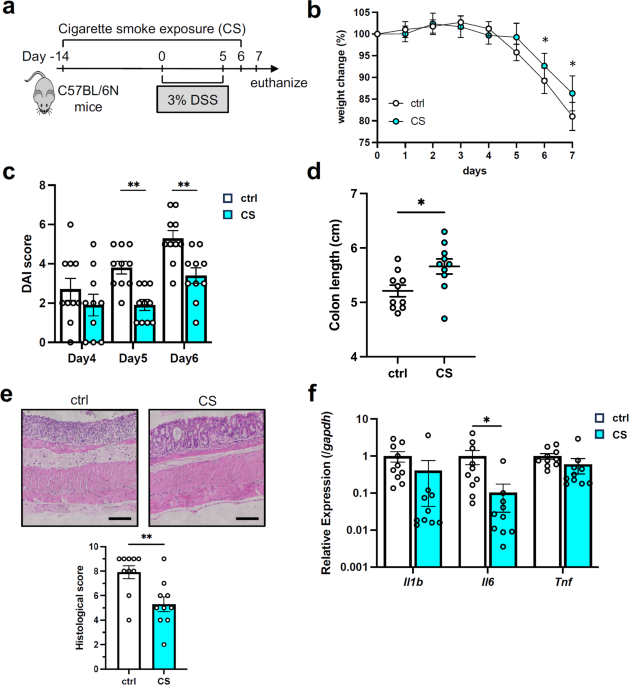
This preclinical study suggests cigarette smoke alters gut microbes and metabolites in ways that can either protect or worsen colitis depending on the model; it identifies 4-HBA as a metabolite that reduced inflammation...
The study identifies a previously unrecognized protein (TNFAIP1) that appears to promote inflammation in ulcerative colitis and proposes a compound (Salidroside) that directly binds and inhibits it in lab and mouse...