Cellular and molecular gastroenterology and hepatology
Cure8 research brief
Cure8 research brief
JAK inhibitors are used to treat IBD and act broadly on immune signalling; understanding their cell-specific effects may explain who benefits, who doesn’t, and why adverse effects occur. This is directly relevant to patients on or considering JAKis.
Patients on JAK inhibitors, clinicians prescribing JAKis, and researchers focused on immune pathways and cellular mechanisms in IBD.
This is an abstract of a review article that examines how JAK inhibitors (JAKis) affect different mucosal cell types in inflammatory bowel disease.
The authors summarize current knowledge about JAK-STAT signalling, the broad (pleiotropic) effects of JAKis compared with receptor-specific biologics, and challenges in identifying which cellular effects drive benefit versus adverse or off-target outcomes.
The review focuses on mapping JAKi mechanisms of action across major cell types implicated in IBD pathophysiology to help explain therapeutic mechanisms and reasons for treatment non-response.
The abstract indicates a need for deeper, cell-resolved understanding — likely drawing on recent cellular-resolution methods — but the provided text is an abstract, not a full paper, so detail is limited.
This summary is grounded in the source-provided abstract from Cellular and Molecular Gastroenterology and Hepatology; Cure8 did not review the full article.
Abstract-level source: summarizes mechanisms and gaps but does not provide full experimental detail or new trial results. Interpret as an overview rather than a clinical study report.
Review the original publication for the complete reporting, methods, and context.
This Cure8 brief is based on source text from the linked article. Cure8 is informational only and is not a substitute for professional medical advice, diagnosis, or treatment.
This review examines a noninvasive neuromodulation strategy (ta‑VNS) that might modulate immune and gut‑barrier biomarkers in IBD and could become an adjunctive therapy if validated in trials. Patients and clinicians may...
Finding shared genes (CLDN8, ABCA12) suggests common inflammatory mechanisms between ulcerative colitis and psoriasis, which could inform future biomarkers or therapies relevant to patients with either or both...
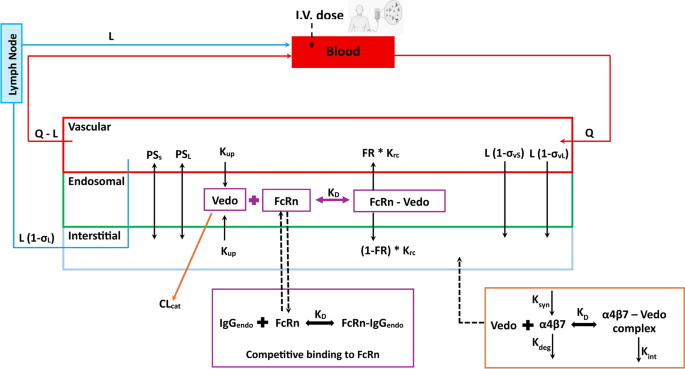
Vedolizumab blood levels can vary with disease activity; a model that links intestinal α4β7 expression to drug exposure helps explain why some patients have lower drug levels and may need different dosing. This could...