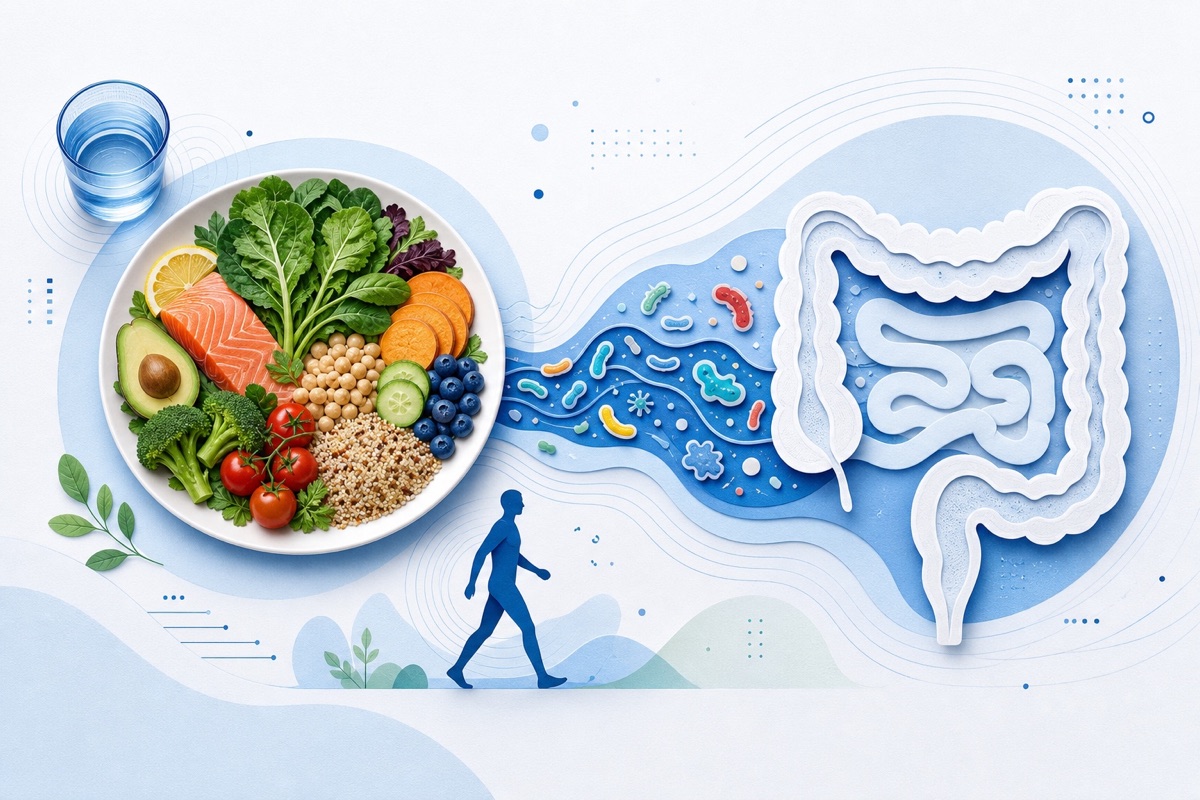
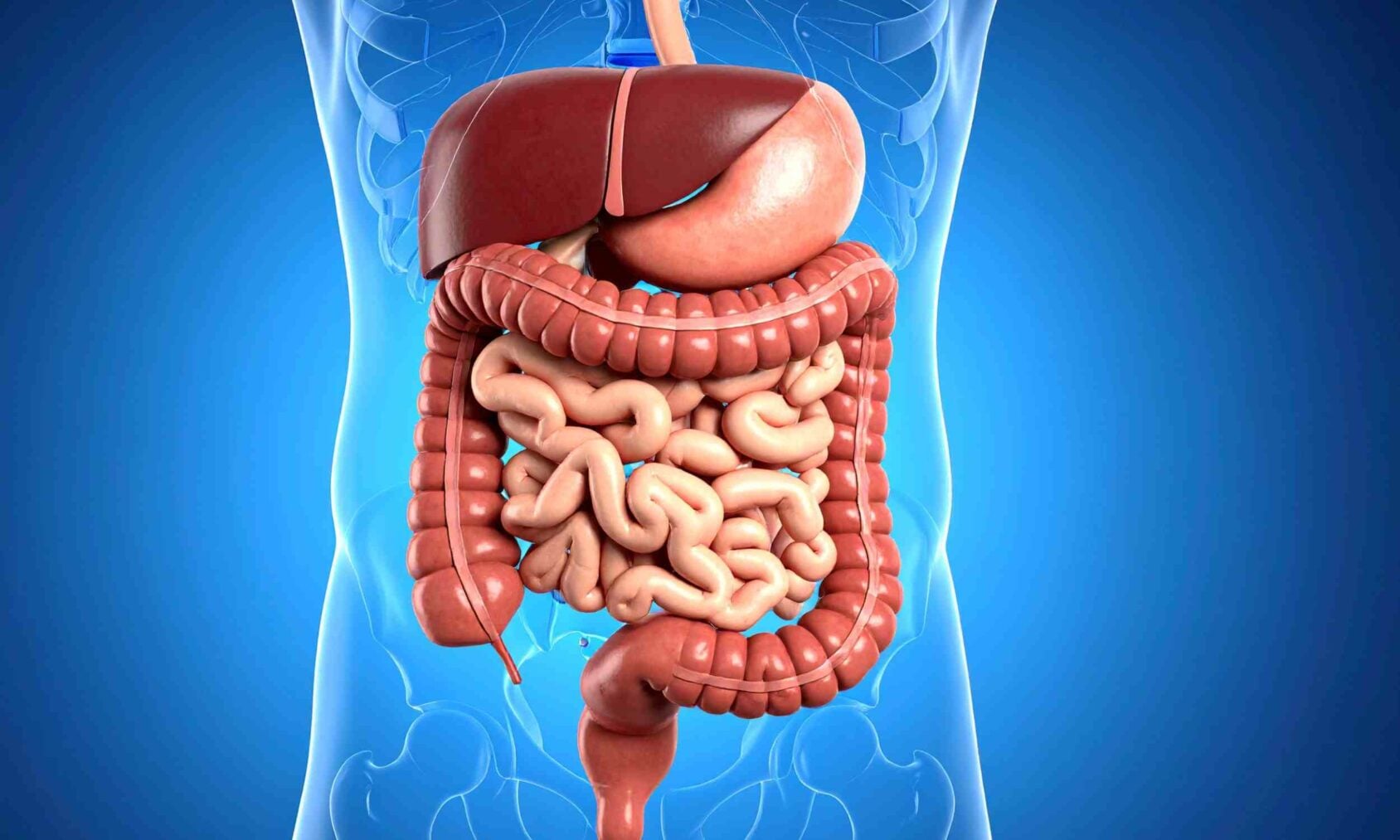
Microbiota and Nutritional Changes Following a Low-FODMAP Diet in Patients with Ulcerative Colitis and Irritable Bowel Syndrome: A Randomized Controlled Trial
Low-FODMAP diets are commonly used to reduce GI symptoms in IBS and sometimes in UC.
This randomized trial suggests the diet changed stool consistency, bowel habits, quality of life, and gut microbiota without major short-term effects on body composition, which may matter for patients weighing symptom relief against nutritional concerns.
Who Should Pay Attention
Adults with IBS or ulcerative colitis; gastroenterologists and dietitians; researchers interested in diet–microbiome effects.
Study Snapshot
Story typeResearch paper
Evidence typeResearch paper
Source depthJournal abstract
What To Know
This randomized single-blind trial compared a 10-week low-FODMAP diet (LFD) versus a standard diet (STD) in adults with IBS, ulcerative colitis (UC), and a control group. The study measured nutritional status, body composition, stool consistency and bowel habits, quality of life, and stool microbiota by 16S rRNA sequencing at baseline and after 10 weeks.
Analyses were reported for the per-protocol population (86 participants: IBS 40, UC 34, Control 12). Among outcomes, the authors report no significant differences in anthropometry or body composition after adjusting for baseline. There was a notable reduction in diarrhea frequency with LFD (reported percentages and a p-value in the abstract).
The paper also reports changes in gut microbiota composition for UC patients on LFD, naming taxa that increased or decreased in abundance. The trial duration was 10 weeks and used bioelectrical impedance for body-composition assessment.
This brief summarizes the article abstract and trial description as presented by the journal; Cure8 did not review the full paper beyond the extracted source text.
Keep In Mind
Summary is based on the journal abstract and extracted article text (structured content depth: abstract). The trial was 10 weeks and reported per-protocol analyses; full methods, statistical detail, and potential limitations are in the full article. Microbiome taxon changes are descriptive and require cautious interpretation.
Source Details
Review the original publication for the complete reporting, methods, and context.
Funding disclosed by the source: Secretaría de Ciencia, Humanidades, Tecnología e Innovación (SECIHTI) Mexico, award CONACYT-163235; Secretaría de Ciencia, Humanidades, Tecnología e Innovación (SECIHTI) Mexico, award INFR-2011-01; Secretaría de Ciencia, Humanidades, Tecnología e Innovación (SECIHTI) Mexico, award CONACYT FORDECYT-PRONACES/6669/2020_Programa Presupuestario F003-Ciencia de Frontera 2019; award CONACYT-163235; award INFR-2011-01; award CONACYT FORDECYT-PRONACES/6669/2020_Programa Presupuestario F003-Ciencia de Frontera 2019
This Cure8 brief is based on source text from the linked article. Cure8 is informational only and is not a substitute for professional medical advice, diagnosis, or treatment.
The study suggests vitamin D might help the immune system tolerate gut bacteria better and lower intestinal inflammation, which could mean fewer symptoms or flares for people with Crohn’s disease or ulcerative colitis.
The study suggests a new host-directed mechanism that helps a common beneficial gut bacterium (Faecalibacterium prausnitzii) colonize and protect the gut lining, and identifies heparan sulfate as a potential way to...
This registry will provide real-world data on how etrasimod is used and performs in routine clinical practice in China, including patient characteristics, symptom trajectories, safety, and healthcare costs. Real-world...