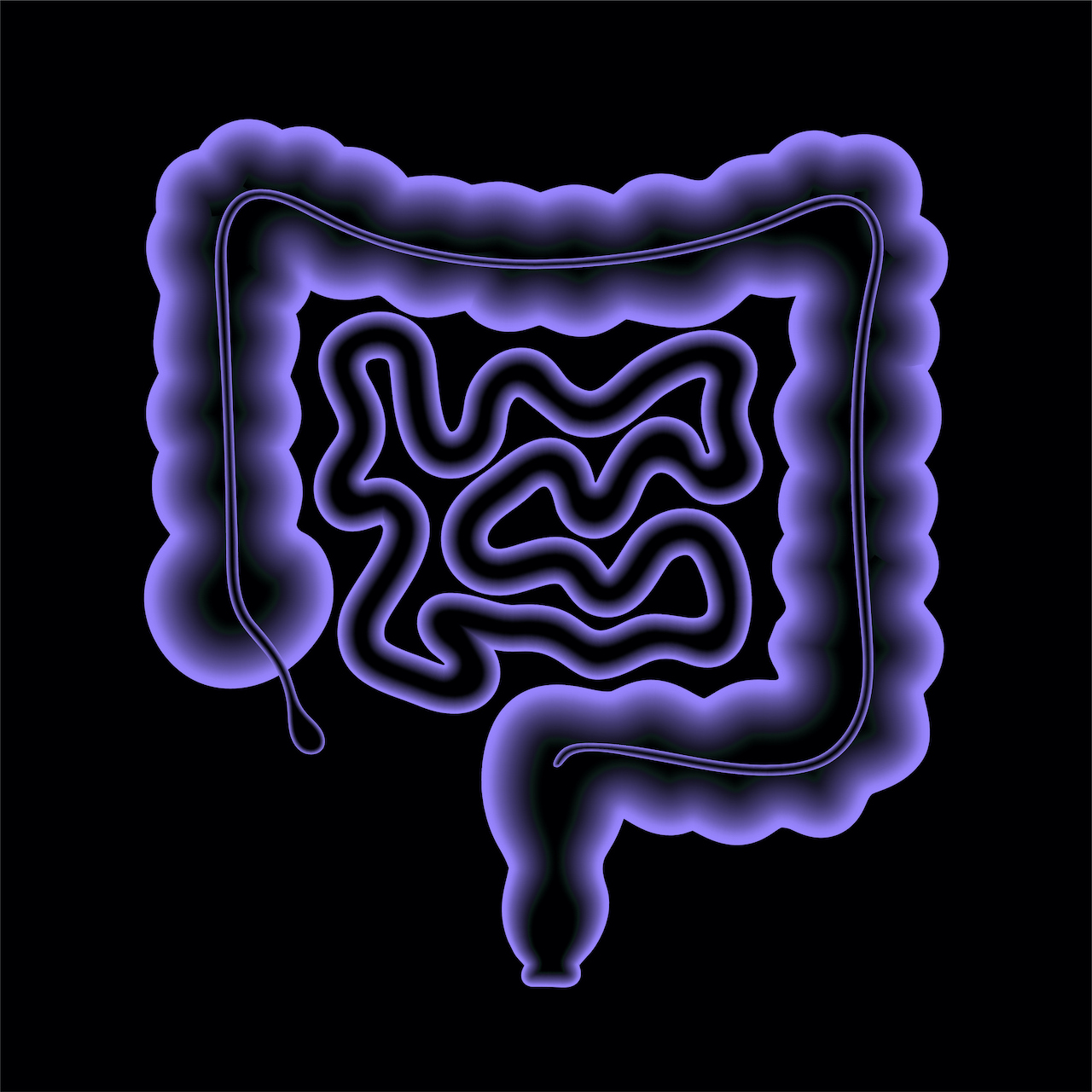
The study presents a mitochondria-targeted compound that reduced necrosis markers, HMGB1, and IL-1β in cell and mouse colitis models, highlighting a potential new pathway for IBD treatment research.
Who Should Pay Attention
Researchers in IBD mechanisms and drug discovery; clinicians following emerging therapies; patients interested in experimental preclinical research.
Study Snapshot
Story typeResearch paper
Evidence typeResearch paper
Source depthJournal abstract
What To Know
This is preclinical research using cultured intestinal epithelial cells and an experimental mouse (DSS) colitis model, not a human trial. The results show that MIT-001 reduced markers of necrotic cell death in vitro and decreased inflammation and tissue injury in mice, with notable reductions in HMGB1-positive cells and IL-1β expression.
It is an early-stage, mechanistic study that supports further investigation; it does not provide evidence about safety, dosing, or effectiveness in people with Crohn's disease or ulcerative colitis.
Translating findings from DSS models to human IBD has limitations because the model represents acute injury and does not capture all features of chronic human disease.
Keep In Mind
Findings are from in vitro experiments and an acute DSS mouse model; this is preclinical evidence and not proof of benefit or safety in humans.
Source Details
Review the original publication for the complete reporting, methods, and context.
Funding disclosed by the source: Korea University - K2327461; National Research Foundation of Korea - 2017R1D1A1B03036295
This Cure8 brief is based on source text from the linked article. Cure8 is informational only and is not a substitute for professional medical advice, diagnosis, or treatment.
Fibrostenotic Crohn’s disease (intestinal strictures from scar tissue) has few non-surgical treatment options. An investigational drug aimed at fibrosis could eventually offer a medical alternative to surgery if research...
This report describes an investigational drug that appears to reach its intestinal target and produced molecular changes in biopsies from people with fibrostenosing Crohn’s — a form that causes scarring and strictures.
This large real-world study suggests GLP-1 receptor agonists used in adults with Crohn’s disease and obesity were associated with lower healthcare use and lower subsequent TNF inhibitor use at 1 and 5 years, findings...