BMJ case reports
Cure8 research brief
Ocrelizumab-induced colitis acutely managed with ciclosporin.
Complications
Corticosteroids
Steroids
Case Report
Clinicians
Patients with Perianal Disease
Inflammatory bowel disease
Cure8 research brief
A rare but serious colitis linked to ocrelizumab is described and managed successfully with ciclosporin in a steroid‑refractory case; this may be relevant to clinicians caring for patients on B‑cell–depleting therapy.
Clinicians treating MS patients on ocrelizumab, gastroenterologists, and specialists managing drug‑induced colitis; informed patients on B‑cell–depleting therapy.
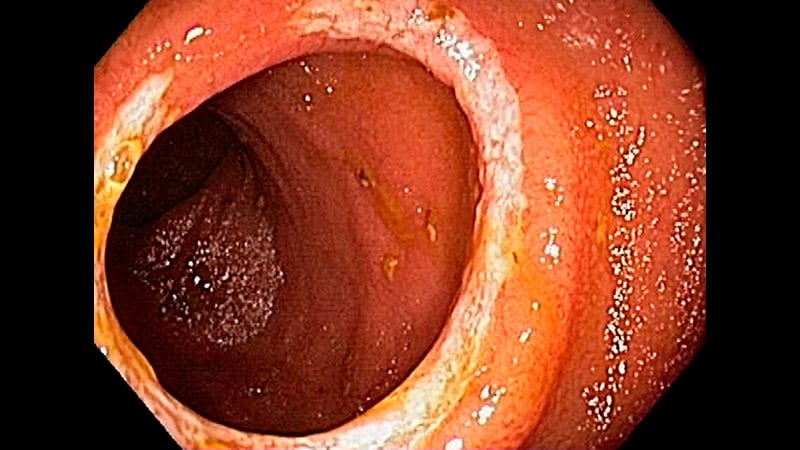
A patient developed steroid‑refractory colitis after ocrelizumab; infective causes and classical IBD were excluded. Ciclosporin was used as a salvage therapy with reported effectiveness, and the team monitored ciclosporin drug levels and neurotoxicity while involving a multidisciplinary team to guide safe titration.
The report is a single case in BMJ Case Reports. It illustrates a management approach rather than proving effectiveness; clinicians should interpret it as a potential option in closely monitored, specialist settings and not as standard first‑line therapy.
Single‑patient case report (BMJ Case Reports) presented at abstract depth; findings are hypothesis‑generating and require cautious interpretation. Therapeutic drug monitoring and neurotoxicity surveillance were highlighted as important safety steps.
Review the original publication for the complete reporting, methods, and context.
Conflict statement: Competing interests: None declared.
This Cure8 brief is based on source text from the linked article. Cure8 is informational only and is not a substitute for professional medical advice, diagnosis, or treatment.
This study suggests LVV can occur in people with IBD at younger ages and with distinct vascular findings, and it may arise even when gut disease is in remission. That matters for awareness, diagnosis, and coordination...
Reducing long-term corticosteroid use matters because steroids have significant side effects when used repeatedly or chronically. The study suggests ileocaecal resection may lower steroid exposure for many patients, but...
People with ulcerative colitis who have had colectomy can rarely develop inflammation of the small intestine and high-output stomas that are hard to control.