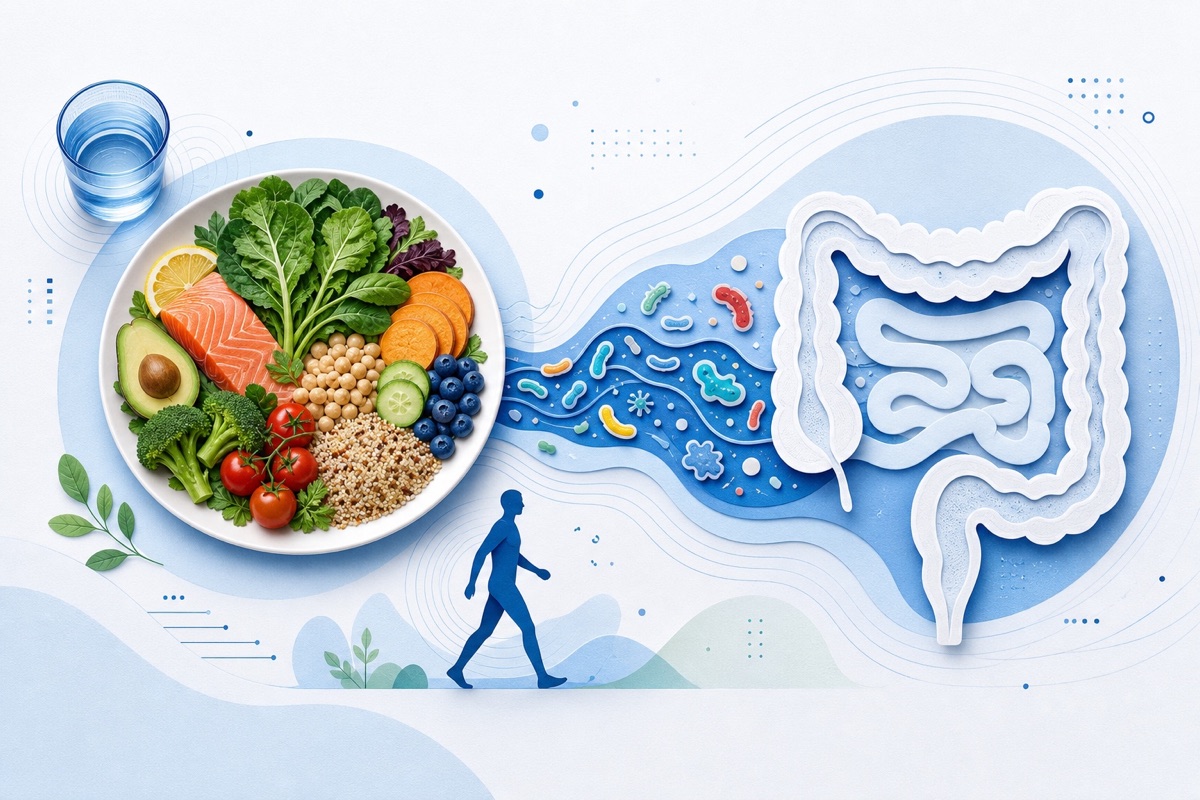
The study suggests a rice bran extract might reduce colitis severity in rats by shifting gut microbiota and dampening TLR4/NF-κB–driven inflammation, a pathway relevant to human IBD research.
Who Should Pay Attention
Researchers, clinicians interested in microbiome and dietary interventions for IBD, and informed patients curious about preclinical dietary research
Study Snapshot
Story typeResearch paper
Evidence typeResearch paper
Source depthJournal abstract
What To Know
The research used DSS to induce colitis in rats and administered RBE at 100 mg/kg starting one week before and during DSS exposure. The authors measured colon histology, inflammatory markers (TLR4, NF-κB, TNF-α, IL-17, IL-10), tight-junction mRNA, and fecal microbiota composition and report that RBE opposed many DSS-induced changes.
This is an early preclinical (animal) study. Findings in rats do not mean the same effects will occur in people with IBD. It does, however, support further research into rice bran components and gut microbiota–targeted approaches for intestinal inflammation.
Keep In Mind
Results are from a DSS-induced rat model (preclinical). Animal findings do not translate directly to human safety or effectiveness; further clinical research would be needed before any recommendations.
Source Details
Review the original publication for the complete reporting, methods, and context.
This Cure8 brief is based on source text from the linked article. Cure8 is informational only and is not a substitute for professional medical advice, diagnosis, or treatment.
Vitamin D deficiency is common in people with IBD and may relate to disease activity, complications, and quality of life; understanding this link could influence monitoring and adjunctive care.
The study identifies a food-processing method (black tea processing) that increased flavonoids and improved outcomes in a mouse model of colitis, suggesting that specific dietary preparations might influence gut...
The study identifies a specific polysaccharide fraction (VPS-30) that reduced inflammation and improved gut barrier markers in cell and mouse models of colitis, suggesting a possible new functional-food lead for...