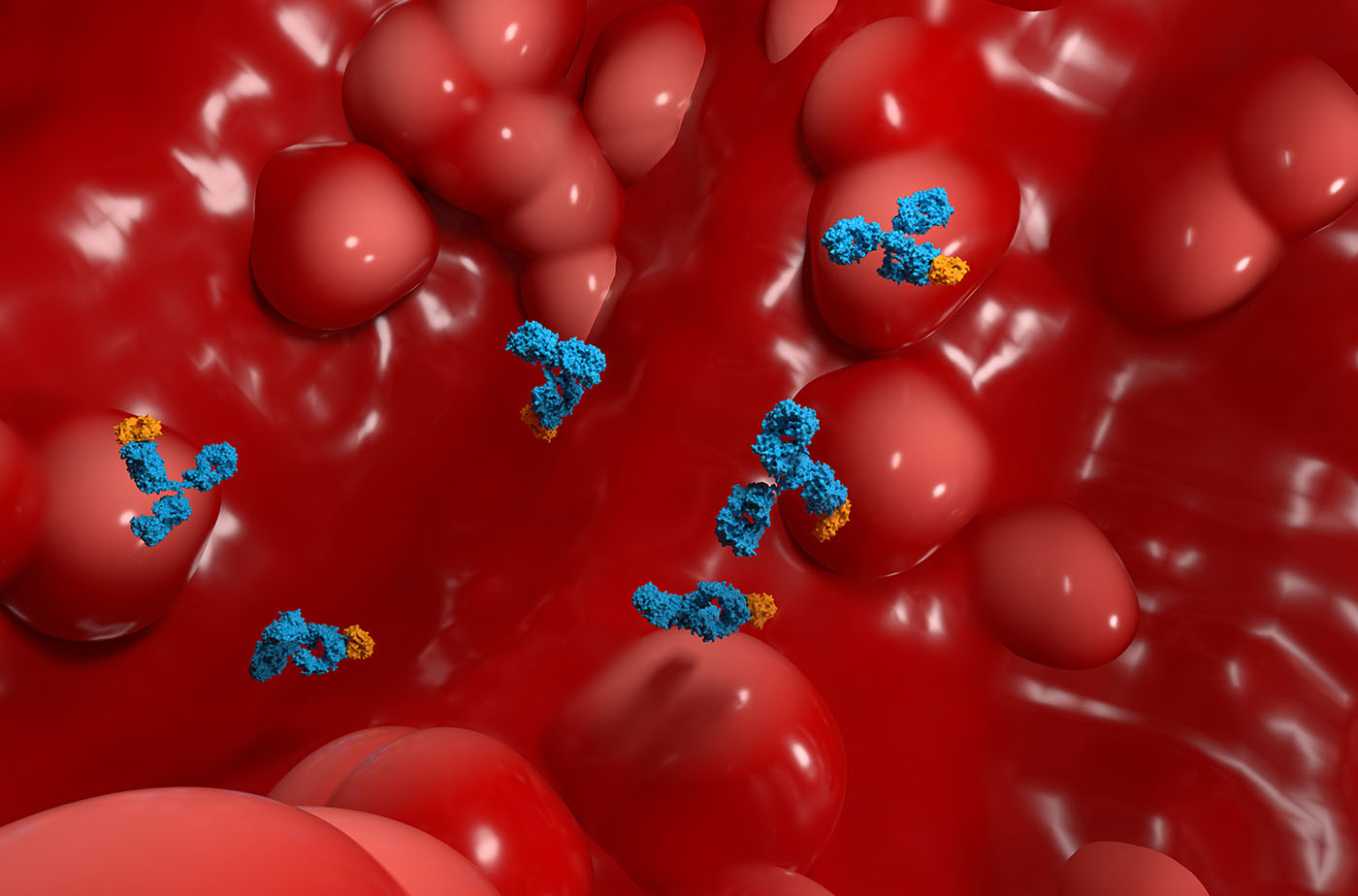
If validated, antibody-based signals found years before symptoms could allow earlier risk identification and research into why immune responses precede IBD. That may matter for patients and clinicians interested in early detection or prevention research.
Who Should Pay Attention
Adult patients with IBD or family history of IBD, clinicians and gastroenterology researchers focused on biomarkers, and people interested in early-detection research.
Study Snapshot
Story typeMainstream News
Evidence typeClinical study
Source depthFull source text
What To Know
A team analyzed archived US military blood samples from people who were later diagnosed with Crohn’s disease or ulcerative colitis and compared them to samples from people who remained healthy.
They screened for antibodies against many protein fragments from microbes, foods, and human proteins and found distinct antibody signatures associated with future Crohn’s disease (including antibodies tied to Epstein–Barr virus) and with future ulcerative colitis (reactivity to a host protein).
The authors published results in Gut and presented at a major gastroenterology meeting. The study shows an association between antibody profiles and later IBD but does not prove causation.
Keep In Mind
Findings were reported in a news article summarizing a Gut publication and conference presentation; investigators caution the results need replication and do not establish cause-and-effect.
Source Details
Review the original publication for the complete reporting, methods, and context.
This Cure8 brief is based on source text from the linked article. Cure8 is informational only and is not a substitute for professional medical advice, diagnosis, or treatment.
If validated, blood antibody patterns could allow earlier identification of people at risk for Crohn’s disease or ulcerative colitis — potentially before bowel damage occurs — opening opportunities for earlier monitoring...
If validated, antibody signatures could enable earlier identification of people at higher risk of developing IBD and help predict which patients may develop more severe disease, creating opportunities for earlier...
If confirmed, antibody signatures detectable years before symptoms could help identify people at higher risk for IBD and improve understanding of how the disease begins — a step toward earlier diagnosis or future...